

-
AboutShenzhen Century Bailey Environmental Protection Technology Co., Ltd. (referred to as "Century Bailey") is located by the Guanlan Lake of the World Golf Village, adjacent to the Shanshui Tianyuan Tourism and Culture Park. It is a national high-tech enterprise and a specialized and new enterprise focusing on the research, development, production, and sales of catering industry oil fume purification products.

-
ProductShenzhen Century Bailey Environmental Protection Technology Co., Ltd. (referred to as "Century Bailey") is located by the Guanlan Lake of the World Golf Village, adjacent to the Shanshui Tianyuan Tourism and Culture Park. It is a national high-tech enterprise and a specialized and new enterprise focusing on the research, development, production, and sales of catering industry oil fume purification products.
-
Core AdvantagesShenzhen Century Bailey Environmental Protection Technology Co., Ltd. (referred to as "Century Bailey") is located by the Guanlan Lake of the World Golf Village, adjacent to the Shanshui Tianyuan Tourism and Culture Park. It is a national high-tech enterprise and a specialized and new enterprise focusing on the research, development, production, and sales of catering industry oil fume purification products.
-
CasesShenzhen Century Bailey Environmental Protection Technology Co., Ltd. (referred to as "Century Bailey") is located by the Guanlan Lake of the World Golf Village, adjacent to the Shanshui Tianyuan Tourism and Culture Park. It is a national high-tech enterprise and a specialized and new enterprise focusing on the research, development, production, and sales of catering industry oil fume purification products.
-
Customer serviceShenzhen Century Bailey Environmental Protection Technology Co., Ltd. (referred to as "Century Bailey") is located by the Guanlan Lake of the World Golf Village, adjacent to the Shanshui Tianyuan Tourism and Culture Park. It is a national high-tech enterprise and a specialized and new enterprise focusing on the research, development, production, and sales of catering industry oil fume purification products.
-
ContactShenzhen Century Bailey Environmental Protection Technology Co., Ltd. (referred to as "Century Bailey") is located by the Guanlan Lake of the World Golf Village, adjacent to the Shanshui Tianyuan Tourism and Culture Park. It is a national high-tech enterprise and a specialized and new enterprise focusing on the research, development, production, and sales of catering industry oil fume purification products.
The Role of High-Volume Oil Fume Purifiers in Sustainable Manufacturing
Release time:
2025-12-04
The Role of High-Volume Oil Fume Purifiers in Sustainable Manufacturing In the quest for sustainability, industries are increasingly adopting technologies that help minimize environmental impact. High-volume oil fume purifiers have emerged as vital components in this transformation, especially in manufacturing processes that generate significant oil fumes. This article delves into the essential ro

The Role of High-Volume Oil Fume Purifiers in Sustainable Manufacturing
In the quest for sustainability, industries are increasingly adopting technologies that help minimize environmental impact. High-volume oil fume purifiers have emerged as vital components in this transformation, especially in manufacturing processes that generate significant oil fumes. This article delves into the essential role these purifiers play in sustainable manufacturing, exploring their technology, benefits, and implementation strategies.
Understanding Oil Fumes and Their Impact on the Environment
Oil fumes are a byproduct of various manufacturing processes, particularly in industries like automotive, metalworking, and food preparation. These fumes contain harmful pollutants that can compromise air quality and contribute to environmental degradation. The need for effective air purification solutions has never been more critical as regulations tighten and public awareness of environmental issues grows.
What Are Oil Fumes?
Oil fumes are aerosolized particles released during processes involving heating, cutting, or machining of oily materials. These fumes contain a mixture of volatile organic compounds (VOCs), particulate matter, and other hazardous substances. Without proper management, they can lead to serious health risks for workers and significant environmental concerns.
The Environmental and Health Implications of Oil Fumes
The release of oil fumes into the atmosphere can result in:
- Air pollution, affecting both local and global environments.
- Health issues for workers, including respiratory problems and skin irritations.
- Contributions to climate change through greenhouse gas emissions.
The Importance of Air Quality in Manufacturing
Air quality in manufacturing settings is crucial not only for regulatory compliance but also for the overall well-being of employees. Implementing effective air purification systems can lead to a safer workplace, improved employee productivity, and a more favorable public image.
Regulatory Standards and Compliance
Manufacturers must adhere to strict regulations regarding air quality. Governments and environmental agencies set limits on permissible emissions, which require companies to adopt advanced technologies to comply. High-volume oil fume purifiers fulfill this need by capturing and neutralizing harmful emissions before they reach the environment.
Enhancing Employee Health and Safety
A clean working environment directly correlates with employee health. Reducing exposure to harmful oil fumes can lower absenteeism, increase job satisfaction, and promote a culture of safety within an organization.
High-Volume Oil Fume Purifiers: Technology and Functionality
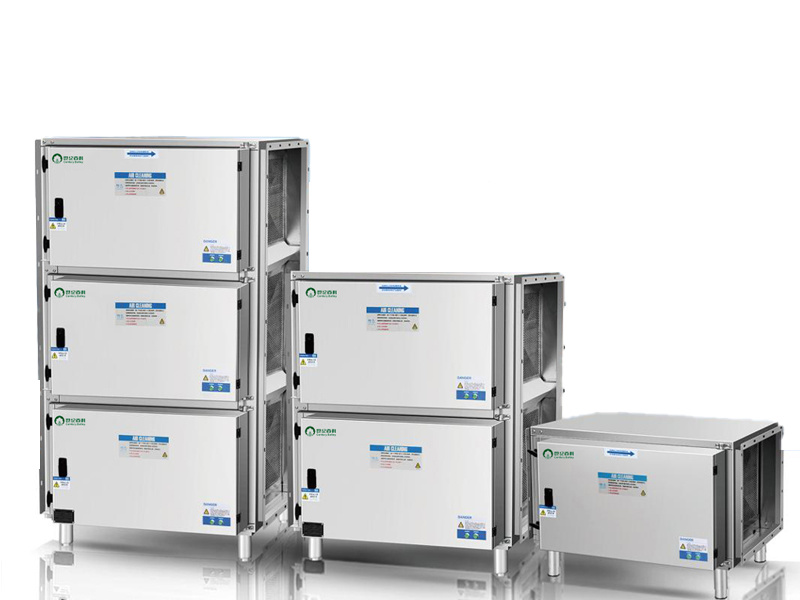
High-volume oil fume purifiers utilize advanced technologies to effectively remove oil aerosols and contaminants from the air. Understanding how these systems work is key to appreciating their value in sustainable manufacturing.
How Do High-Volume Oil Fume Purifiers Work?
These purifiers employ a combination of mechanical and chemical processes to filter out harmful particles. The main components typically include:
- Pre-Filters: Remove larger particles from the air.
- Electrostatic Precipitators: Utilize electrical charges to trap smaller particles.
- HEPA Filters: Capture ultra-fine particles, ensuring high air quality.
- Activated Carbon Filters: Absorb odors and VOCs.
The Advantages of High-Volume Oil Fume Purifiers
Investing in high-volume oil fume purifiers presents numerous advantages:
- Improved Air Quality: Significantly reduces pollutants, ensuring a healthier work environment.
- Compliance with Regulations: Helps manufacturers meet environmental standards and avoid penalties.
- Cost Efficiency: Reduces potential health-related costs and fines associated with pollution.
- Sustainability: Contributes to a company’s green initiatives, enhancing corporate reputation.
Implementing High-Volume Oil Fume Purifiers in Manufacturing Facilities
The successful implementation of high-volume oil fume purifiers requires careful planning and consideration. Below are steps to ensure effective integration into existing processes.
Assessing Air Quality Needs
Before installation, it is essential to conduct a thorough assessment of the facility’s air quality needs. This may involve:
- Monitoring existing pollutant levels.
- Identifying high-emission areas.
- Consulting with environmental experts.
Selecting the Right Purification Technology
Choosing the appropriate technology hinges on understanding the specific contaminants present. Manufacturers should consider:
- The type and volume of oil fumes generated.
- The layout of the facility.
- The required purification efficiency.
Installation and Maintenance
Proper installation and ongoing maintenance are critical for maximizing the effectiveness of high-volume oil fume purifiers. Key considerations include:
- Ensuring units are located in optimal positions for airflow.
- Establishing a regular maintenance schedule to replace filters and clean components.
- Training personnel on the operation and monitoring of the systems.
Case Studies: Successful Implementation of High-Volume Oil Fume Purifiers
To illustrate the impact of high-volume oil fume purifiers, let’s explore several case studies from different industries.
Case Study 1: Automotive Manufacturing
An automotive manufacturer faced challenges with oil fume emissions during machining operations. After implementing high-volume oil fume purifiers, the company reported a 90% reduction in airborne contaminants, leading to improved employee health and reduced compliance costs.
Case Study 2: Metalworking Industry
A metalworking facility adopted high-volume oil fume purifiers as part of its commitment to sustainability. The installation resulted in cleaner air, enhanced workplace safety, and a significant reduction in energy costs due to improved HVAC efficiency.
Future Trends in Oil Fume Purification Technology
The landscape of air purification technology is rapidly evolving, with emerging trends likely to shape the future of oil fume purification.
Advancements in Filtration Materials
Research into advanced filtration materials promises to enhance the efficiency and effectiveness of oil fume purifiers. Innovations may include:
- Smart filters that adjust based on real-time air quality data.
- Biodegradable filter materials for improved sustainability.
Integration with IoT and AI Technologies
Integrating Internet of Things (IoT) devices and artificial intelligence (AI) into purification systems can lead to smarter, more responsive air quality management. This technology will allow for:
- Real-time monitoring of air quality parameters.
- Predictive maintenance alerts to prevent system failures.
FAQs About High-Volume Oil Fume Purifiers
1. What are high-volume oil fume purifiers?
High-volume oil fume purifiers are advanced air filtration systems designed to capture and neutralize harmful oil aerosols and pollutants generated during manufacturing processes.
2. How do they improve sustainability in manufacturing?
By significantly reducing harmful emissions, high-volume oil fume purifiers help manufacturers comply with environmental regulations and promote a cleaner, healthier workplace.
3. What industries benefit from using oil fume purifiers?
Industries such as automotive, metalworking, and food processing can greatly benefit from high-volume oil fume purifiers due to the nature of their operations.
4. How do I select the right oil fume purification system for my facility?
Assess your facility's specific air quality needs, consider the types and volumes of pollutants generated, and consult with experts to determine the best technology for your requirements.
5. What maintenance is required for these systems?
Regular maintenance includes replacing filters, cleaning components, and monitoring system performance to ensure optimal efficiency and effectiveness.
Conclusion
High-volume oil fume purifiers play a critical role in advancing sustainable manufacturing practices. By improving air quality, ensuring regulatory compliance, and promoting employee health, these systems not only enhance operational efficiency but also contribute to a cleaner environment. As technology continues to evolve, the capabilities of oil fume purifiers will only expand, making them indispensable in the journey toward sustainability in manufacturing.
More news


Hotline:+86 136 849 29821
Email:13684929821@139.com
Address:No. 6, Junzibubujun Industrial Road, Guanlan, Longhua New District, Shenzhen


