

-
AboutShenzhen Century Bailey Environmental Protection Technology Co., Ltd. (referred to as "Century Bailey") is located by the Guanlan Lake of the World Golf Village, adjacent to the Shanshui Tianyuan Tourism and Culture Park. It is a national high-tech enterprise and a specialized and new enterprise focusing on the research, development, production, and sales of catering industry oil fume purification products.
-
ProductShenzhen Century Bailey Environmental Protection Technology Co., Ltd. (referred to as "Century Bailey") is located by the Guanlan Lake of the World Golf Village, adjacent to the Shanshui Tianyuan Tourism and Culture Park. It is a national high-tech enterprise and a specialized and new enterprise focusing on the research, development, production, and sales of catering industry oil fume purification products.
-
Core AdvantagesShenzhen Century Bailey Environmental Protection Technology Co., Ltd. (referred to as "Century Bailey") is located by the Guanlan Lake of the World Golf Village, adjacent to the Shanshui Tianyuan Tourism and Culture Park. It is a national high-tech enterprise and a specialized and new enterprise focusing on the research, development, production, and sales of catering industry oil fume purification products.
-
CasesShenzhen Century Bailey Environmental Protection Technology Co., Ltd. (referred to as "Century Bailey") is located by the Guanlan Lake of the World Golf Village, adjacent to the Shanshui Tianyuan Tourism and Culture Park. It is a national high-tech enterprise and a specialized and new enterprise focusing on the research, development, production, and sales of catering industry oil fume purification products.
-
Customer serviceShenzhen Century Bailey Environmental Protection Technology Co., Ltd. (referred to as "Century Bailey") is located by the Guanlan Lake of the World Golf Village, adjacent to the Shanshui Tianyuan Tourism and Culture Park. It is a national high-tech enterprise and a specialized and new enterprise focusing on the research, development, production, and sales of catering industry oil fume purification products.
-
ContactShenzhen Century Bailey Environmental Protection Technology Co., Ltd. (referred to as "Century Bailey") is located by the Guanlan Lake of the World Golf Village, adjacent to the Shanshui Tianyuan Tourism and Culture Park. It is a national high-tech enterprise and a specialized and new enterprise focusing on the research, development, production, and sales of catering industry oil fume purification products.
Understanding Combined Fume Purifiers: A Comprehensive Overview
Release time:
2025-12-07
Combined fume purifiers are sophisticated devices designed to effectively eliminate various airborne contaminants, including particulate matter, volatile organic compounds (VOCs), and odors arising from processes such as welding, cooking, and chemical manufacturing. These purifiers operate through multiple filtration and purification stages, ensuring that the air released back into the environment

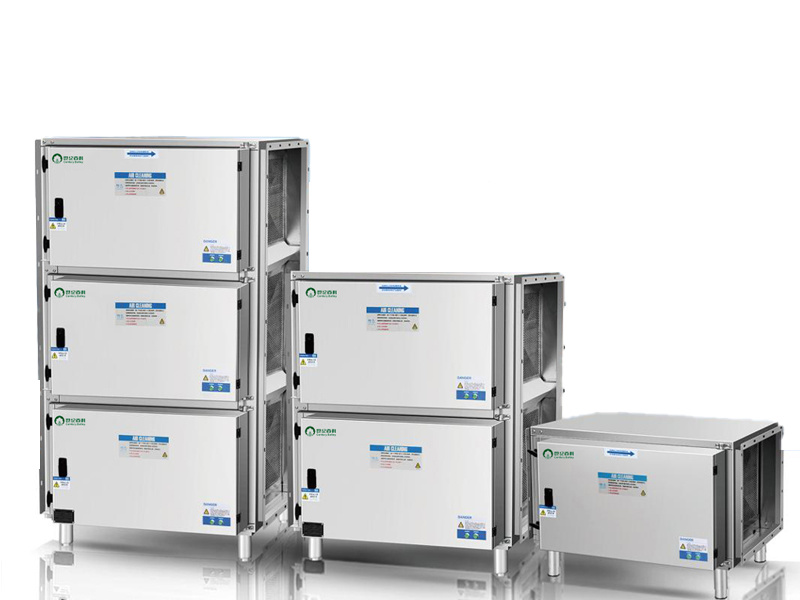
Combined fume purifiers are sophisticated devices designed to effectively eliminate various airborne contaminants, including particulate matter, volatile organic compounds (VOCs), and odors arising from processes such as welding, cooking, and chemical manufacturing. These purifiers operate through multiple filtration and purification stages, ensuring that the air released back into the environment is clean and safe for the workforce and surrounding communities.
One of the primary advantages of combined fume purifiers is their ability to handle a diverse range of pollutants simultaneously. Unlike conventional air filters that often target specific types of contaminants, combined fume purifiers utilize a multi-faceted approach. This can include pre-filters to capture larger particles, activated carbon filters to absorb odors and VOCs, and HEPA filters to trap fine particulate matter. This comprehensive filtration system makes them particularly valuable in industries where mixed pollutants are prevalent.
Moreover, the design of combined fume purifiers often emphasizes energy efficiency and low operational costs. Many modern units are equipped with advanced technologies such as variable speed fans and automated controls that optimize energy consumption based on real-time air quality conditions. This not only contributes to cost savings but also aligns with sustainability initiatives, as reduced energy use equates to a smaller carbon footprint.
The installation and maintenance of combined fume purifiers are also crucial considerations for businesses. Proper installation ensures that the system operates at peak efficiency, while regular maintenance is necessary to keep the filters functioning optimally. Businesses should establish a routine maintenance schedule that includes filter replacement, system checks, and cleaning to ensure longevity and performance.
In addition to health and environmental benefits, the use of combined fume purifiers can significantly enhance workplace productivity. Employees working in environments with poor air quality often experience fatigue, respiratory issues, and decreased focus. By investing in effective air purification systems, companies can foster a healthier work environment, leading to better employee morale and higher productivity levels.
In conclusion, combined fume purifiers are essential tools in the industrial sector for improving air quality and ensuring compliance with health regulations. Their ability to tackle multiple types of pollutants makes them a versatile solution for a variety of industries. By prioritizing air purification, businesses not only protect the health of their employees but also contribute to a cleaner, more sustainable future.
One of the primary advantages of combined fume purifiers is their ability to handle a diverse range of pollutants simultaneously. Unlike conventional air filters that often target specific types of contaminants, combined fume purifiers utilize a multi-faceted approach. This can include pre-filters to capture larger particles, activated carbon filters to absorb odors and VOCs, and HEPA filters to trap fine particulate matter. This comprehensive filtration system makes them particularly valuable in industries where mixed pollutants are prevalent.
Moreover, the design of combined fume purifiers often emphasizes energy efficiency and low operational costs. Many modern units are equipped with advanced technologies such as variable speed fans and automated controls that optimize energy consumption based on real-time air quality conditions. This not only contributes to cost savings but also aligns with sustainability initiatives, as reduced energy use equates to a smaller carbon footprint.
The installation and maintenance of combined fume purifiers are also crucial considerations for businesses. Proper installation ensures that the system operates at peak efficiency, while regular maintenance is necessary to keep the filters functioning optimally. Businesses should establish a routine maintenance schedule that includes filter replacement, system checks, and cleaning to ensure longevity and performance.
In addition to health and environmental benefits, the use of combined fume purifiers can significantly enhance workplace productivity. Employees working in environments with poor air quality often experience fatigue, respiratory issues, and decreased focus. By investing in effective air purification systems, companies can foster a healthier work environment, leading to better employee morale and higher productivity levels.
In conclusion, combined fume purifiers are essential tools in the industrial sector for improving air quality and ensuring compliance with health regulations. Their ability to tackle multiple types of pollutants makes them a versatile solution for a variety of industries. By prioritizing air purification, businesses not only protect the health of their employees but also contribute to a cleaner, more sustainable future.
More news


Hotline:+86 136 849 29821
Email:13684929821@139.com
Address:No. 6, Junzibubujun Industrial Road, Guanlan, Longhua New District, Shenzhen


