

-
AboutShenzhen Century Bailey Environmental Protection Technology Co., Ltd. (referred to as "Century Bailey") is located by the Guanlan Lake of the World Golf Village, adjacent to the Shanshui Tianyuan Tourism and Culture Park. It is a national high-tech enterprise and a specialized and new enterprise focusing on the research, development, production, and sales of catering industry oil fume purification products.

-
ProductShenzhen Century Bailey Environmental Protection Technology Co., Ltd. (referred to as "Century Bailey") is located by the Guanlan Lake of the World Golf Village, adjacent to the Shanshui Tianyuan Tourism and Culture Park. It is a national high-tech enterprise and a specialized and new enterprise focusing on the research, development, production, and sales of catering industry oil fume purification products.
-
Core AdvantagesShenzhen Century Bailey Environmental Protection Technology Co., Ltd. (referred to as "Century Bailey") is located by the Guanlan Lake of the World Golf Village, adjacent to the Shanshui Tianyuan Tourism and Culture Park. It is a national high-tech enterprise and a specialized and new enterprise focusing on the research, development, production, and sales of catering industry oil fume purification products.
-
CasesShenzhen Century Bailey Environmental Protection Technology Co., Ltd. (referred to as "Century Bailey") is located by the Guanlan Lake of the World Golf Village, adjacent to the Shanshui Tianyuan Tourism and Culture Park. It is a national high-tech enterprise and a specialized and new enterprise focusing on the research, development, production, and sales of catering industry oil fume purification products.
-
Customer serviceShenzhen Century Bailey Environmental Protection Technology Co., Ltd. (referred to as "Century Bailey") is located by the Guanlan Lake of the World Golf Village, adjacent to the Shanshui Tianyuan Tourism and Culture Park. It is a national high-tech enterprise and a specialized and new enterprise focusing on the research, development, production, and sales of catering industry oil fume purification products.
-
ContactShenzhen Century Bailey Environmental Protection Technology Co., Ltd. (referred to as "Century Bailey") is located by the Guanlan Lake of the World Golf Village, adjacent to the Shanshui Tianyuan Tourism and Culture Park. It is a national high-tech enterprise and a specialized and new enterprise focusing on the research, development, production, and sales of catering industry oil fume purification products.

Understanding High-Volume Oil Fume Purifiers: Essential Insights for Industrial Applications
Release time:
2025-12-01
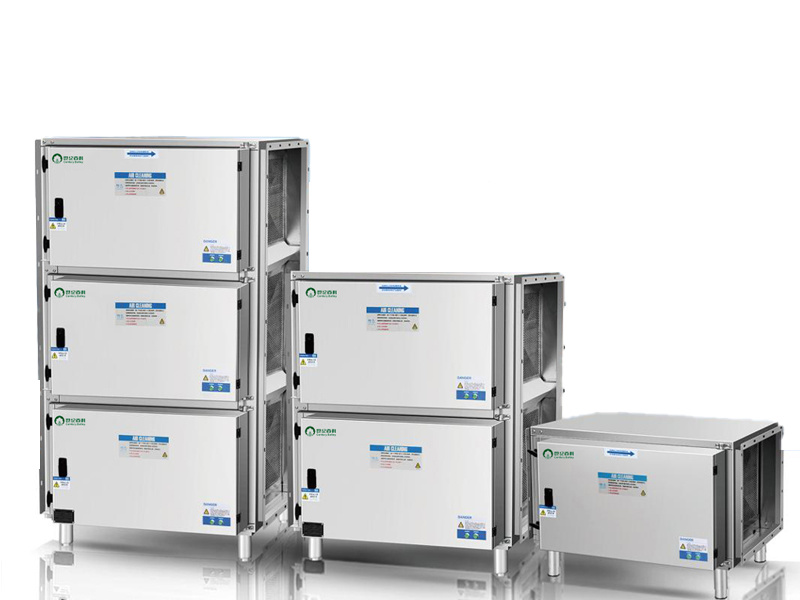
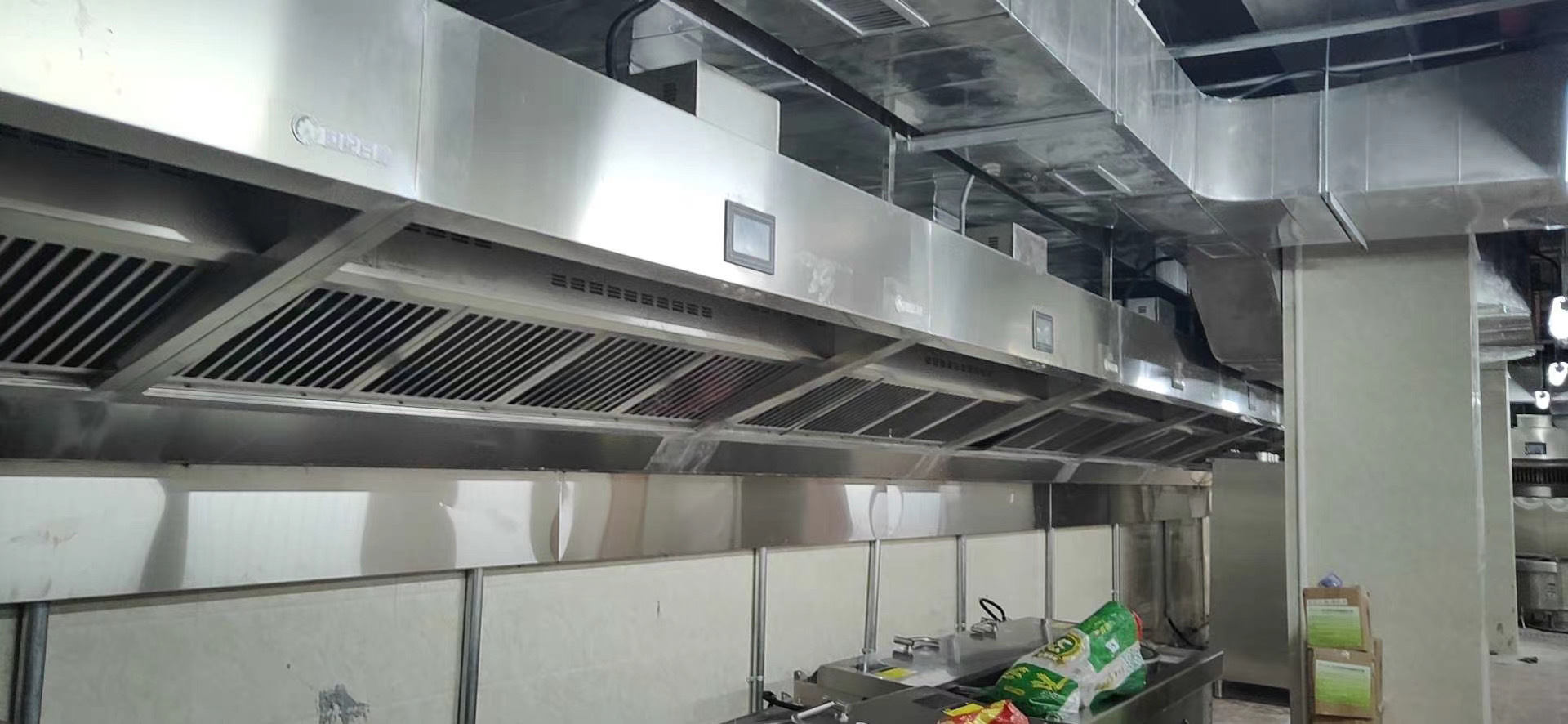
High-volume oil fume purifiers are specialized systems designed to capture and eliminate airborne pollutants generated during various industrial processes, particularly in kitchens and manufacturing facilities where oil-based fumes are prevalent. These devices are critical not only for maintaining a safe and healthy working environment but also for meeting stringent air quality standards set by re

High-volume oil fume purifiers are specialized systems designed to capture and eliminate airborne pollutants generated during various industrial processes, particularly in kitchens and manufacturing facilities where oil-based fumes are prevalent. These devices are critical not only for maintaining a safe and healthy working environment but also for meeting stringent air quality standards set by regulatory bodies.
The primary function of high-volume oil fume purifiers is to extract oil mist, smoke, and other particulate matter from the air. This is accomplished through a combination of filtration and electrostatic precipitation technologies. The air laden with oil fume passes through a pre-filter, which captures larger particles, followed by an electrostatic filter that attracts and neutralizes finer particles. The result is cleaner air that is significantly less harmful to both personnel and the environment.
Implementing high-volume oil fume purifiers in industrial settings offers numerous advantages. Firstly, they contribute to improved air quality, thereby reducing health risks associated with prolonged exposure to airborne pollutants. This is particularly important in industries such as food processing and manufacturing, where workers may be exposed to hazardous fumes on a daily basis.
Moreover, these purifiers help in maintaining equipment efficiency. Oil fumes can accumulate on machinery, leading to corrosion and reduced operational efficiency. By minimizing the presence of these contaminants, high-volume oil fume purifiers extend the lifespan of equipment, resulting in lower maintenance costs and reduced downtime.
Another significant benefit of these systems is their contribution to sustainability efforts. By effectively removing harmful emissions, they play a vital role in reducing the overall carbon footprint of industrial operations. As businesses strive to enhance their environmental responsibility, investing in high-volume oil fume purifiers aligns with corporate sustainability goals.
Furthermore, these systems are increasingly designed to be energy-efficient, which helps in minimizing operational costs. Many modern models are equipped with advanced controls and sensors that optimize performance based on real-time air quality data, ensuring that energy consumption is minimized without compromising on purification efficiency.
In conclusion, high-volume oil fume purifiers are an indispensable asset in industrial air purification. They not only safeguard the health of workers and enhance equipment longevity but also align with broader environmental objectives. As industries continue to evolve, the integration of advanced air purification technologies will be crucial in fostering safer and more sustainable work environments.
The primary function of high-volume oil fume purifiers is to extract oil mist, smoke, and other particulate matter from the air. This is accomplished through a combination of filtration and electrostatic precipitation technologies. The air laden with oil fume passes through a pre-filter, which captures larger particles, followed by an electrostatic filter that attracts and neutralizes finer particles. The result is cleaner air that is significantly less harmful to both personnel and the environment.
Implementing high-volume oil fume purifiers in industrial settings offers numerous advantages. Firstly, they contribute to improved air quality, thereby reducing health risks associated with prolonged exposure to airborne pollutants. This is particularly important in industries such as food processing and manufacturing, where workers may be exposed to hazardous fumes on a daily basis.
Moreover, these purifiers help in maintaining equipment efficiency. Oil fumes can accumulate on machinery, leading to corrosion and reduced operational efficiency. By minimizing the presence of these contaminants, high-volume oil fume purifiers extend the lifespan of equipment, resulting in lower maintenance costs and reduced downtime.
Another significant benefit of these systems is their contribution to sustainability efforts. By effectively removing harmful emissions, they play a vital role in reducing the overall carbon footprint of industrial operations. As businesses strive to enhance their environmental responsibility, investing in high-volume oil fume purifiers aligns with corporate sustainability goals.
Furthermore, these systems are increasingly designed to be energy-efficient, which helps in minimizing operational costs. Many modern models are equipped with advanced controls and sensors that optimize performance based on real-time air quality data, ensuring that energy consumption is minimized without compromising on purification efficiency.
In conclusion, high-volume oil fume purifiers are an indispensable asset in industrial air purification. They not only safeguard the health of workers and enhance equipment longevity but also align with broader environmental objectives. As industries continue to evolve, the integration of advanced air purification technologies will be crucial in fostering safer and more sustainable work environments.
More news


Hotline:+86 136 849 29821
Email:13684929821@139.com
Address:No. 6, Junzibubujun Industrial Road, Guanlan, Longhua New District, Shenzhen


