

-
AboutShenzhen Century Bailey Environmental Protection Technology Co., Ltd. (referred to as "Century Bailey") is located by the Guanlan Lake of the World Golf Village, adjacent to the Shanshui Tianyuan Tourism and Culture Park. It is a national high-tech enterprise and a specialized and new enterprise focusing on the research, development, production, and sales of catering industry oil fume purification products.

-
ProductShenzhen Century Bailey Environmental Protection Technology Co., Ltd. (referred to as "Century Bailey") is located by the Guanlan Lake of the World Golf Village, adjacent to the Shanshui Tianyuan Tourism and Culture Park. It is a national high-tech enterprise and a specialized and new enterprise focusing on the research, development, production, and sales of catering industry oil fume purification products.
-
Core AdvantagesShenzhen Century Bailey Environmental Protection Technology Co., Ltd. (referred to as "Century Bailey") is located by the Guanlan Lake of the World Golf Village, adjacent to the Shanshui Tianyuan Tourism and Culture Park. It is a national high-tech enterprise and a specialized and new enterprise focusing on the research, development, production, and sales of catering industry oil fume purification products.
-
CasesShenzhen Century Bailey Environmental Protection Technology Co., Ltd. (referred to as "Century Bailey") is located by the Guanlan Lake of the World Golf Village, adjacent to the Shanshui Tianyuan Tourism and Culture Park. It is a national high-tech enterprise and a specialized and new enterprise focusing on the research, development, production, and sales of catering industry oil fume purification products.
-
Customer serviceShenzhen Century Bailey Environmental Protection Technology Co., Ltd. (referred to as "Century Bailey") is located by the Guanlan Lake of the World Golf Village, adjacent to the Shanshui Tianyuan Tourism and Culture Park. It is a national high-tech enterprise and a specialized and new enterprise focusing on the research, development, production, and sales of catering industry oil fume purification products.
-
ContactShenzhen Century Bailey Environmental Protection Technology Co., Ltd. (referred to as "Century Bailey") is located by the Guanlan Lake of the World Golf Village, adjacent to the Shanshui Tianyuan Tourism and Culture Park. It is a national high-tech enterprise and a specialized and new enterprise focusing on the research, development, production, and sales of catering industry oil fume purification products.

High-Volume Oil Fume Purifiers: Key Features to Consider for Optimal Performance
Release time:
2025-11-28
High-Volume Oil Fume Purifiers: Key Features to Consider for Optimal Performance Table of Contents Introduction to High-Volume Oil Fume Purifiers The Importance of Oil Fume Purification in Industry Key Features of High-Volume Oil Fume Purifiers 1. Advanced Filtration Technology 2. High Airflow Capacity 3. Energy Efficiency Considerations 4. Size and Installation

High-Volume Oil Fume Purifiers: Key Features to Consider for Optimal Performance
Table of Contents
- Introduction to High-Volume Oil Fume Purifiers
- The Importance of Oil Fume Purification in Industry
- Key Features of High-Volume Oil Fume Purifiers
- 1. Advanced Filtration Technology
- 2. High Airflow Capacity
- 3. Energy Efficiency Considerations
- 4. Size and Installation Flexibility
- 5. Easy Maintenance and Accessibility
- 6. Regulatory Compliance Features
- Benefits of High-Volume Oil Fume Purifiers
- Applications in Various Industries
- Frequently Asked Questions (FAQs)
- Conclusion
Introduction to High-Volume Oil Fume Purifiers
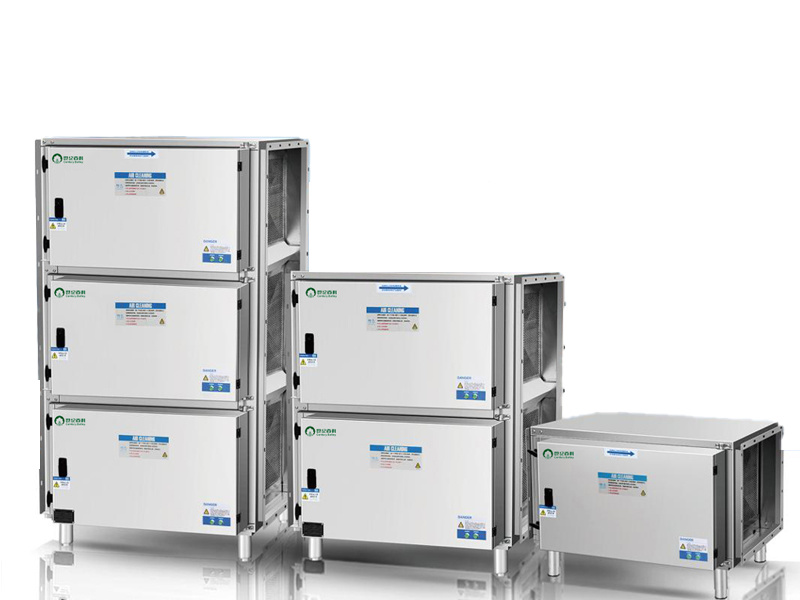
In modern industrial settings, especially in commercial kitchens and manufacturing environments, the release of oil fumes and smoke presents a significant challenge. High-volume oil fume purifiers are engineered to mitigate this issue, ensuring cleaner air and a healthier environment for workers. As industries evolve, understanding the key features of these purifiers becomes imperative for selecting the right system that meets specific operational demands.
The Importance of Oil Fume Purification in Industry
Oil fumes contain harmful particles and compounds that can adversely affect air quality and pose health risks. **Poor air quality** can lead to respiratory issues and other health problems for employees, as well as potential legal liabilities for businesses. Moreover, without effective oil fume management, pollutants can accumulate, leading to safety hazards and operational inefficiencies. Investing in high-volume oil fume purifiers is not just a regulatory obligation but a commitment to workplace safety and efficiency.
Key Features of High-Volume Oil Fume Purifiers
1. Advanced Filtration Technology
**Filtration technology** is the cornerstone of any effective oil fume purification system. High-volume purifiers utilize a combination of mechanical filters, electrostatic precipitators, and activated carbon filters to capture a wide range of pollutants. Here’s a breakdown of the technologies:
- **Mechanical Filters:** These are designed to capture larger particles, preventing them from entering the airflow. They require regular cleaning or replacement to maintain efficiency.
- **Electrostatic Precipitators:** These systems use electrical charges to attract and neutralize tiny particles, making them easier to capture in subsequent filtration stages.
- **Activated Carbon Filters:** Ideal for adsorbing odors and volatile organic compounds (VOCs), these filters play a crucial role in enhancing air quality.
Together, these technologies provide a comprehensive solution for removing harmful substances from the air, ensuring a safer working environment.
2. High Airflow Capacity
The **airflow capacity** of a purifier is critical for ensuring that it can handle the volume of air generated during cooking or manufacturing processes. High-volume oil fume purifiers are designed to operate efficiently at varying airflow rates, ensuring that they can adequately filter air even during peak operational times. When selecting a purifier, consider the cubic feet per minute (CFM) rating to ensure it meets the specific needs of your application.
3. Energy Efficiency Considerations
As businesses strive to reduce operational costs, **energy efficiency** in air purification systems has become a significant factor in purchasing decisions. High-volume oil fume purifiers should incorporate energy-saving technologies, such as variable speed motors and efficient fans, to minimize power consumption without sacrificing performance. Additionally, look for units that are ENERGY STAR certified, as these demonstrate an commitment to sustainability and cost-effectiveness.
4. Size and Installation Flexibility
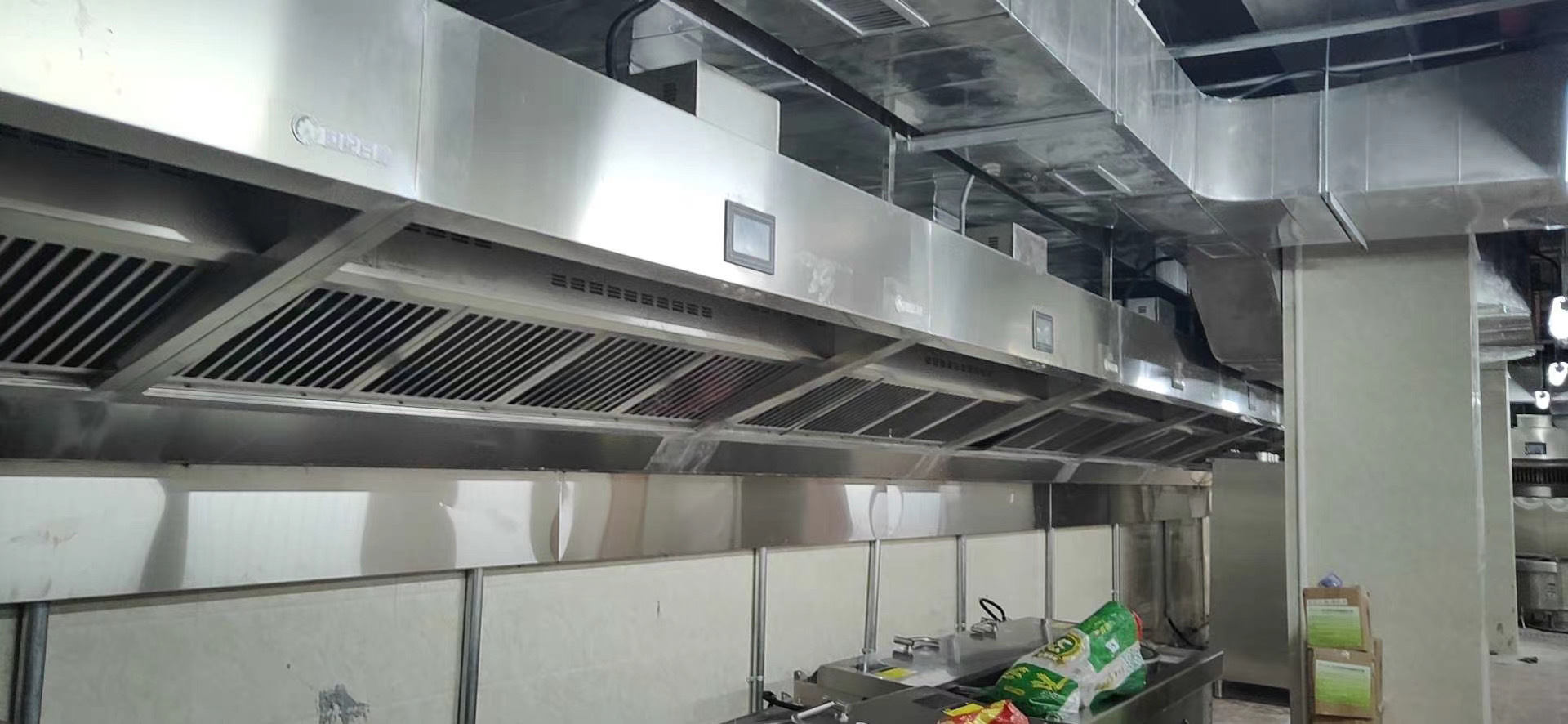
The **size** and overall design of the oil fume purifier are crucial for integration into existing systems. High-volume purifiers come in various sizes and configurations to suit different spaces. A compact design may be required in kitchens with limited overhead space, while larger systems may be necessary for extensive industrial operations. Additionally, consider the installation flexibility, including wall-mounted or ceiling-mounted options, to find the best fit for your facility.
5. Easy Maintenance and Accessibility
Regular maintenance is essential for ensuring the longevity and effectiveness of oil fume purifiers. Systems that are designed for **easy maintenance** typically feature accessible filters and components, reducing downtime during servicing. Look for units that offer indicators for filter replacement and straightforward cleaning procedures to keep your purifier operating at peak performance.
6. Regulatory Compliance Features
Compliance with local and national regulations regarding air quality is a non-negotiable aspect of operating any industrial facility. High-volume oil fume purifiers should be equipped with features that facilitate compliance with environmental standards, including monitoring systems that track emissions. Ensure that the purifier you select has the necessary certifications and meets the applicable guidelines to help your business avoid fines and penalties.
Benefits of High-Volume Oil Fume Purifiers
Implementing high-volume oil fume purifiers provides several advantages beyond simply meeting regulatory requirements. Key benefits include:
- **Improved Air Quality:** By effectively removing harmful particles and fumes, these purifiers enhance the overall air quality, leading to a healthier work environment.
- **Increased Employee Comfort and Productivity:** Cleaner air reduces the risk of respiratory issues and related health problems, allowing employees to work more efficiently and comfortably.
- **Enhanced Equipment Longevity:** By preventing oil buildup and particulate contamination, high-volume purifiers can help extend the lifespan of kitchen and manufacturing equipment.
- **Positive Environmental Impact:** Investing in oil fume purification contributes to a cleaner and healthier environment, aligning your business practices with sustainability goals.
Applications in Various Industries
High-volume oil fume purifiers find applications across several industries, including:
- **Commercial Kitchens:** These purifiers are essential for restaurants, catering services, and food production facilities where cooking generates significant oil fumes.
- **Manufacturing Plants:** Industries that involve machining, metalworking, or other processes generating oil mist benefit greatly from effective fume extraction systems.
- **Automotive Shops:** Oil fume purifiers help maintain air quality in automotive repair and maintenance environments, protecting workers and customers.
Each application requires careful consideration of the specific needs and challenges presented by the environment, ensuring that the right purification technology is deployed.
Frequently Asked Questions (FAQs)
1. How often should I replace the filters in a high-volume oil fume purifier?
The frequency of filter replacement depends on usage conditions. Generally, filters should be checked monthly and replaced every 3 to 6 months, but specific recommendations will vary by manufacturer.
2. Are high-volume oil fume purifiers noisy during operation?
Most modern high-volume oil fume purifiers are designed to operate quietly. However, the noise level may vary depending on the model and airflow settings.
3. Can these purifiers be used in outdoor applications?
While some high-volume oil fume purifiers are suitable for outdoor use, it’s essential to verify the specifications and ensure they are designed for such environments.
4. What maintenance is required for an oil fume purifier?
Regular maintenance includes cleaning or replacing filters, checking the electrical components, and ensuring that the unit is free from obstructions to airflow.
5. How do I determine the right size of oil fume purifier for my business?
To determine the correct size, assess the maximum airflow (CFM) requirements based on your cooking or manufacturing processes and choose a unit that meets or exceeds that capacity.
Conclusion
High-volume oil fume purifiers are a vital investment for businesses seeking to enhance air quality, comply with regulations, and improve operational efficiency. By understanding the key features that contribute to their effectiveness—such as advanced filtration technology, airflow capacity, and energy efficiency—companies can make informed decisions that not only protect their employees but also promote sustainability. As industries continue to evolve, the importance of selecting the right purification system cannot be overstated. Taking the time to evaluate the various options available will yield significant benefits, paving the way for safer and more productive work environments.
More news


Hotline:+86 136 849 29821
Email:13684929821@139.com
Address:No. 6, Junzibubujun Industrial Road, Guanlan, Longhua New District, Shenzhen


