

-
AboutShenzhen Century Bailey Environmental Protection Technology Co., Ltd. (referred to as "Century Bailey") is located by the Guanlan Lake of the World Golf Village, adjacent to the Shanshui Tianyuan Tourism and Culture Park. It is a national high-tech enterprise and a specialized and new enterprise focusing on the research, development, production, and sales of catering industry oil fume purification products.

-
ProductShenzhen Century Bailey Environmental Protection Technology Co., Ltd. (referred to as "Century Bailey") is located by the Guanlan Lake of the World Golf Village, adjacent to the Shanshui Tianyuan Tourism and Culture Park. It is a national high-tech enterprise and a specialized and new enterprise focusing on the research, development, production, and sales of catering industry oil fume purification products.
-
Core AdvantagesShenzhen Century Bailey Environmental Protection Technology Co., Ltd. (referred to as "Century Bailey") is located by the Guanlan Lake of the World Golf Village, adjacent to the Shanshui Tianyuan Tourism and Culture Park. It is a national high-tech enterprise and a specialized and new enterprise focusing on the research, development, production, and sales of catering industry oil fume purification products.
-
CasesShenzhen Century Bailey Environmental Protection Technology Co., Ltd. (referred to as "Century Bailey") is located by the Guanlan Lake of the World Golf Village, adjacent to the Shanshui Tianyuan Tourism and Culture Park. It is a national high-tech enterprise and a specialized and new enterprise focusing on the research, development, production, and sales of catering industry oil fume purification products.
-
Customer serviceShenzhen Century Bailey Environmental Protection Technology Co., Ltd. (referred to as "Century Bailey") is located by the Guanlan Lake of the World Golf Village, adjacent to the Shanshui Tianyuan Tourism and Culture Park. It is a national high-tech enterprise and a specialized and new enterprise focusing on the research, development, production, and sales of catering industry oil fume purification products.
-
ContactShenzhen Century Bailey Environmental Protection Technology Co., Ltd. (referred to as "Century Bailey") is located by the Guanlan Lake of the World Golf Village, adjacent to the Shanshui Tianyuan Tourism and Culture Park. It is a national high-tech enterprise and a specialized and new enterprise focusing on the research, development, production, and sales of catering industry oil fume purification products.

Maximizing Efficiency: The Role of Dynamic Fume Purifiers in Manufacturing
Release time:
2025-11-16
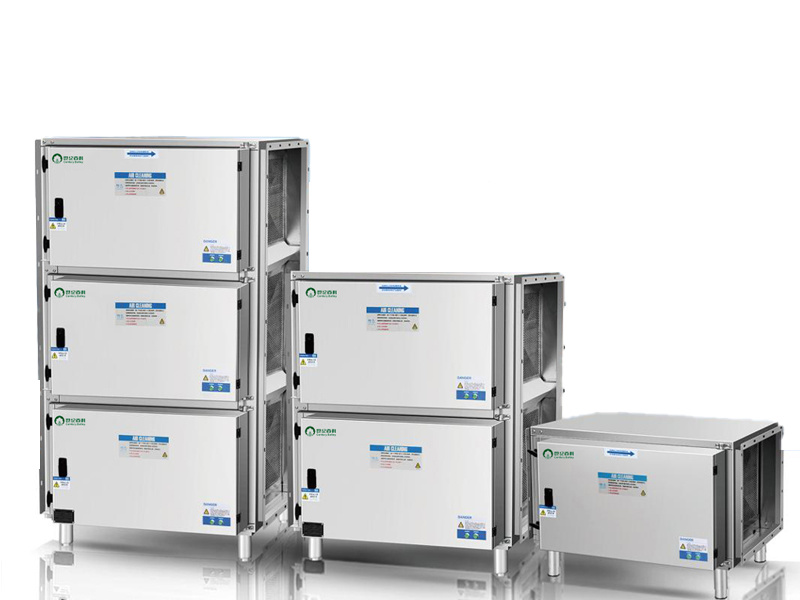
Maximizing Efficiency: The Role of Dynamic Fume Purifiers in Manufacturing Introduction to Dynamic Fume Purifiers In the ever-evolving landscape of manufacturing, efficiency is paramount. As industries push towards higher productivity and lower operational costs, the role of air quality and workplace safety cannot be overlooked. This is where **dynamic fume purifiers** emerge as a vital solution.

Maximizing Efficiency: The Role of Dynamic Fume Purifiers in Manufacturing
Introduction to Dynamic Fume Purifiers
In the ever-evolving landscape of manufacturing, efficiency is paramount. As industries push towards higher productivity and lower operational costs, the role of air quality and workplace safety cannot be overlooked. This is where **dynamic fume purifiers** emerge as a vital solution. These advanced systems are designed not only to combat harmful emissions but also to enhance overall operational efficiency.
Understanding Fume Purification Technology
What is Fume Purification?
Fume purification refers to the process of removing harmful air pollutants generated during manufacturing processes such as welding, painting, and chemical processing. These pollutants can include smoke, dust, vapors, and other hazardous materials. Dynamic fume purifiers utilize advanced filtration technology to capture and neutralize these contaminants, ensuring a safer working environment.
The Mechanics Behind Dynamic Fume Purifiers
Dynamic fume purifiers operate using various filtration methods, including:
- **Electrostatic Precipitation**: This method uses electrical charges to attract and capture particles, making it highly effective for smoke and fine particulate matter.
- **Activated Carbon Filtration**: Ideal for absorbing volatile organic compounds (VOCs) and odors, this method enhances air quality significantly.
- **HEPA Filtration**: High-Efficiency Particulate Air (HEPA) filters can capture up to 99.97% of particles that are 0.3 microns or larger, providing a clean air environment.
By combining these methods, dynamic fume purifiers can adapt to varying industrial conditions, ensuring maximum efficiency.
Significance of Air Quality in Manufacturing
The Link Between Air Quality and Productivity
Air quality directly impacts workforce productivity and health. Poor air quality can lead to respiratory issues, decreased focus, and increased absenteeism. By investing in dynamic fume purifiers, manufacturers can create a healthier environment that promotes employee well-being and, consequently, enhances productivity.
Regulatory Compliance and Safety Standards
Manufacturers face strict regulations regarding air quality and emissions. Dynamic fume purifiers help businesses comply with these regulations by effectively reducing airborne contaminants. This not only avoids legal repercussions but also fosters a culture of safety and responsibility.
The Benefits of Dynamic Fume Purifiers
Enhanced Operational Efficiency
Dynamic fume purifiers significantly enhance operational efficiency by:
1. **Reducing Downtime**: Cleaner air reduces the likelihood of equipment malfunction caused by contamination.
2. **Lowering Maintenance Costs**: Effective fume control minimizes the wear and tear on machinery, leading to reduced maintenance expenditures.
Improved Worker Safety and Satisfaction
Implementing dynamic fume purifiers leads to a safer workplace. Employees are more likely to be satisfied and motivated in a clean working environment, which translates to higher retention rates and lower turnover costs.
Energy Efficiency and Cost Savings
Modern dynamic fume purifiers are designed with energy efficiency in mind. They utilize advanced technology that consumes less power while maximizing output, leading to significant cost savings over time.
Integrating Dynamic Fume Purifiers into Your Manufacturing Process
Assessing Your Air Quality Needs
Before investing in dynamic fume purifiers, it is crucial to assess the specific air quality needs of your manufacturing facility. Conducting an air quality audit can help identify the types and levels of pollutants present, guiding you in selecting the right purification system.
Choosing the Right Fume Purification System
When selecting a dynamic fume purifier, consider the following factors:
- **Type of contaminants**: Understand what specific pollutants your processes generate.
- **Flow rate requirements**: Ensure the purifier can handle the volume of air needing purification.
- **Space constraints**: Evaluate the installation space and choose a purifier that fits appropriately.
Implementing and Maintaining Your System
Proper implementation and maintenance of your dynamic fume purifiers are essential to maximizing their efficiency. Regular maintenance checks, filter replacements, and system evaluations ensure that the purifiers operate at peak performance.
Case Studies: Success Stories in Manufacturing
Electronics Manufacturing
A leading electronics manufacturer implemented dynamic fume purifiers in their production line to combat VOC emissions. The result was a 30% reduction in employee sick days and a remarkable increase in productivity due to improved air quality.
Automotive Industry
An automotive assembly plant adopted dynamic fume purifiers to address welding fumes and paint overspray. The implementation led to enhanced compliance with environmental regulations and a 25% reduction in energy costs due to improved system efficiency.
Frequently Asked Questions (FAQs)
1. What are the main benefits of using dynamic fume purifiers in manufacturing?
The primary benefits include improved air quality, enhanced worker safety, reduced operational costs, and compliance with regulatory standards.
2. How do dynamic fume purifiers compare to traditional filtration systems?
Dynamic fume purifiers are designed to adapt to varying air quality conditions and often incorporate multiple filtration technologies for more effective contaminant removal.
3. What maintenance is required for dynamic fume purifiers?
Regular maintenance involves checking and replacing filters, inspecting system components, and ensuring proper airflow to maintain optimal performance.
4. Can dynamic fume purifiers be customized for specific manufacturing processes?
Yes, many dynamic fume purifiers can be tailored to address the specific contaminants and challenges of different manufacturing processes.
5. Are dynamic fume purifiers environmentally friendly?
Yes, many systems are designed with energy efficiency in mind and help reduce harmful emissions, contributing to a healthier environment.
Conclusion
In conclusion, dynamic fume purifiers play a crucial role in maximizing efficiency within manufacturing environments. By improving air quality, enhancing worker safety, and ensuring compliance with regulations, these systems not only contribute to a healthier workplace but also drive operational productivity. Investing in dynamic fume purifiers is not just about tackling air pollutants; it's about fostering a culture of safety, productivity, and environmental responsibility in modern manufacturing. As industries continue to evolve, the importance of advanced air purification solutions like dynamic fume purifiers will only grow, making them an essential component of any successful manufacturing strategy.
More news


Hotline:+86 136 849 29821
Email:13684929821@139.com
Address:No. 6, Junzibubujun Industrial Road, Guanlan, Longhua New District, Shenzhen


