

-
AboutShenzhen Century Bailey Environmental Protection Technology Co., Ltd. (referred to as "Century Bailey") is located by the Guanlan Lake of the World Golf Village, adjacent to the Shanshui Tianyuan Tourism and Culture Park. It is a national high-tech enterprise and a specialized and new enterprise focusing on the research, development, production, and sales of catering industry oil fume purification products.

-
ProductShenzhen Century Bailey Environmental Protection Technology Co., Ltd. (referred to as "Century Bailey") is located by the Guanlan Lake of the World Golf Village, adjacent to the Shanshui Tianyuan Tourism and Culture Park. It is a national high-tech enterprise and a specialized and new enterprise focusing on the research, development, production, and sales of catering industry oil fume purification products.
-
Core AdvantagesShenzhen Century Bailey Environmental Protection Technology Co., Ltd. (referred to as "Century Bailey") is located by the Guanlan Lake of the World Golf Village, adjacent to the Shanshui Tianyuan Tourism and Culture Park. It is a national high-tech enterprise and a specialized and new enterprise focusing on the research, development, production, and sales of catering industry oil fume purification products.
-
CasesShenzhen Century Bailey Environmental Protection Technology Co., Ltd. (referred to as "Century Bailey") is located by the Guanlan Lake of the World Golf Village, adjacent to the Shanshui Tianyuan Tourism and Culture Park. It is a national high-tech enterprise and a specialized and new enterprise focusing on the research, development, production, and sales of catering industry oil fume purification products.
-
Customer serviceShenzhen Century Bailey Environmental Protection Technology Co., Ltd. (referred to as "Century Bailey") is located by the Guanlan Lake of the World Golf Village, adjacent to the Shanshui Tianyuan Tourism and Culture Park. It is a national high-tech enterprise and a specialized and new enterprise focusing on the research, development, production, and sales of catering industry oil fume purification products.
-
ContactShenzhen Century Bailey Environmental Protection Technology Co., Ltd. (referred to as "Century Bailey") is located by the Guanlan Lake of the World Golf Village, adjacent to the Shanshui Tianyuan Tourism and Culture Park. It is a national high-tech enterprise and a specialized and new enterprise focusing on the research, development, production, and sales of catering industry oil fume purification products.

How Dynamic Fume Purifiers Enhance Air Quality in Industrial Settings
Release time:
2025-11-10
How Dynamic Fume Purifiers Enhance Air Quality in Industrial Settings Introduction to Air Quality in Industrial Environments Air quality is a critical concern in industrial settings due to the presence of various airborne contaminants. These can include particulate matter, volatile organic compounds (VOCs), and hazardous fumes generated from manufacturing processes. Poor air quality can lead to

How Dynamic Fume Purifiers Enhance Air Quality in Industrial Settings
Introduction to Air Quality in Industrial Environments
Air quality is a critical concern in industrial settings due to the presence of various airborne contaminants. These can include particulate matter, volatile organic compounds (VOCs), and hazardous fumes generated from manufacturing processes. Poor air quality can lead to serious health issues for workers, decreased productivity, and significant regulatory challenges. As industries evolve, so do technologies aimed at improving air quality, with **dynamic fume purifiers** emerging as a vital solution.
Understanding Dynamic Fume Purifiers
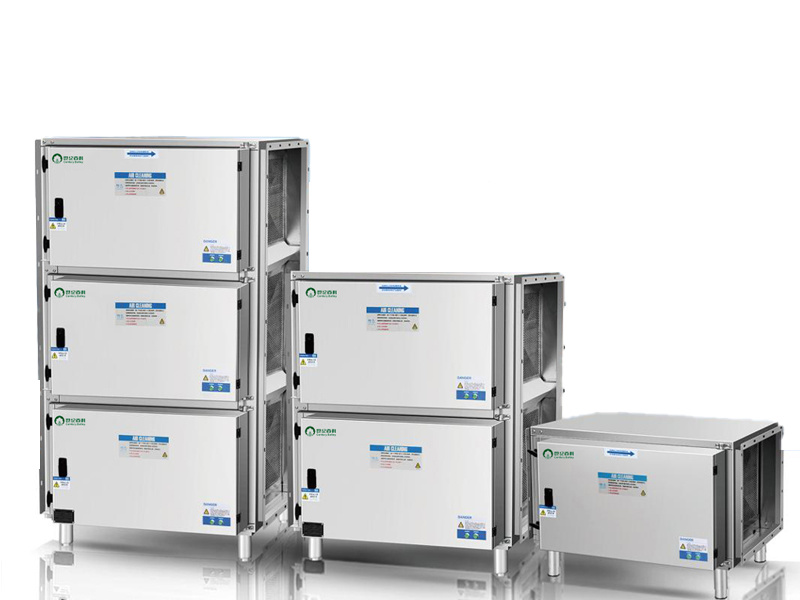
Dynamic fume purifiers are advanced air filtration systems designed to capture and neutralize harmful pollutants in industrial environments. Unlike static air filtration systems that operate on a passive basis, dynamic systems actively engage in air purification through multiple stages of filtration and treatment.
The Mechanisms Behind Dynamic Fume Purifiers
Dynamic fume purifiers utilize various technologies to enhance air quality:
- **Multi-Stage Filtration**: These systems typically include HEPA filters, activated carbon filters, and pre-filters, each targeting specific types of contaminants.
- **Electrostatic Precipitation**: This process charges airborne particles, causing them to adhere to collector plates, thus removing them from the air stream.
- **UV Germicidal Irradiation**: UV light is used to disinfect the air by targeting bacteria, viruses, and mold spores, ensuring a safer environment.
Key Components of Dynamic Fume Purifiers
A typical dynamic fume purifier consists of the following components:
1. **Intake System**: Captures contaminated air from the workspace.
2. **Filtration System**: Various filters remove particulates and gases.
3. **Disinfection Chamber**: Optional UV treatment chamber for additional purification.
4. **Exhaust Blower**: Circulates the clean air back into the environment or expels it outside.
Benefits of Implementing Dynamic Fume Purifiers
Investing in dynamic fume purifiers offers numerous benefits that extend beyond mere compliance with air quality regulations.
Improved Worker Health and Safety
One of the most significant advantages is the enhancement of worker health. Clean air reduces the risk of respiratory illnesses and long-term health issues, leading to a safer work environment. Moreover, improved air quality can boost morale and job satisfaction.
Enhanced Operational Efficiency
Industries often face operational disruptions due to air quality issues. Dynamic fume purifiers minimize these disruptions by maintaining a consistent standard of air quality, allowing for uninterrupted productivity. Furthermore, clean air can lead to lower equipment maintenance costs, as contaminants are less likely to affect machinery and tools.
Regulatory Compliance and Sustainability
Many industries are subject to strict environmental regulations. Implementing dynamic fume purifiers ensures compliance with workplace safety standards and environmental laws. This proactive approach not only avoids penalties but also demonstrates a commitment to sustainability and corporate responsibility.
Factors to Consider When Choosing Dynamic Fume Purifiers
When selecting dynamic fume purifiers for your industrial facility, several factors must be evaluated to ensure optimal effectiveness.
Type of Contaminants
Identify the specific types of contaminants present in your facility. Different dynamic fume purifiers are designed to handle various pollutants, so understanding your needs will help you choose the right system.
System Size and Capacity
Consider the size of the area to be purified. A system that is too small will not adequately clean the air, while an oversized unit may lead to unnecessary costs. Proper sizing is crucial for efficiency.
Energy Efficiency and Operating Costs
Examine the energy consumption of the purifier. Energy-efficient models may have a higher upfront cost but can lead to significant savings in the long run through reduced operational expenses.
Maintenance Requirements
Dynamic fume purifiers require regular maintenance to ensure optimal performance. Evaluate the maintenance needs of the system, including filter replacement schedules and servicing requirements, to plan for ongoing costs.
Installation and Maintenance of Dynamic Fume Purifiers
Proper installation and maintenance of dynamic fume purifiers are essential for maximizing their effectiveness.
Professional Installation Services
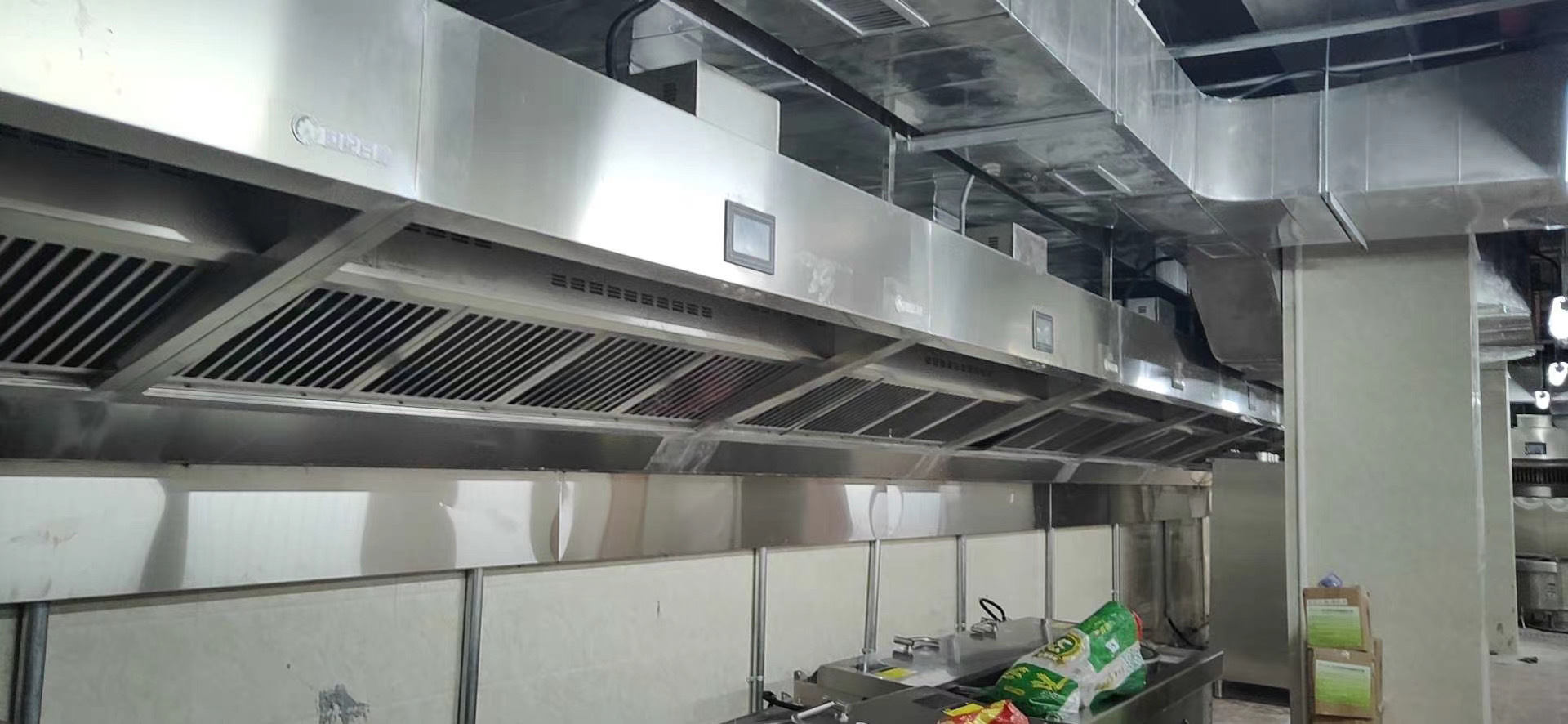
Engaging professional installation services is crucial to ensure that the system is set up correctly. Qualified technicians can assess the layout of your facility and provide guidance on the optimal placement of units for maximum air flow and efficiency.
Regular Maintenance Practices
To maintain air quality, establish a routine maintenance schedule. This should include:
- **Regular Filter Changes**: Depending on the filter type and usage, filters should be replaced according to the manufacturer’s recommendations.
- **System Inspections**: Conduct periodic inspections to identify any wear and tear or potential issues.
- **Calibration and Performance Testing**: Regular performance checks ensure the system functions at optimal capacity.
Case Studies: Success Stories in Air Quality Improvement
Examining real-world applications of dynamic fume purifiers can provide insight into their effectiveness.
Case Study 1: Manufacturing Facility
A leading manufacturing facility implemented dynamic fume purifiers to address complaints about unpleasant odors and respiratory issues among workers. After installation, air quality measurements showed a significant reduction in VOC levels, leading to improved worker health and morale.
Case Study 2: Food Processing Plant
In a food processing plant, the introduction of dynamic fume purifiers helped mitigate the risks of contamination from airborne particles. The facility reported fewer quality control issues and met all health regulations, showcasing the importance of clean air in food safety.
Future Innovations in Air Purification Technology
As industries continue to evolve, so too will air purification technology. Innovations in the sector may include:
- **Smart Technology Integration**: Enhanced monitoring systems that provide real-time data on air quality.
- **Nanotechnology**: Development of new filter materials that capture smaller particles more effectively.
- **Eco-Friendly Solutions**: Greater emphasis on sustainable materials and processes in manufacturing air purification systems.
Frequently Asked Questions (FAQs)
What are dynamic fume purifiers?
Dynamic fume purifiers are advanced air filtration systems that actively capture and neutralize harmful pollutants in industrial settings through various filtration technologies.
How do dynamic fume purifiers improve air quality?
They improve air quality by using multi-stage filtration, electrostatic precipitation, and UV disinfection to remove particulates, gases, and biological contaminants from the air.
What types of contaminants can dynamic fume purifiers handle?
These purifiers can effectively manage a range of contaminants, including particulate matter, VOCs, smoke, and biological agents.
How often should filters be replaced in dynamic fume purifiers?
Filter replacement frequency varies based on usage and type, but it is typically recommended to check them monthly and replace them every 3 to 6 months.
Are dynamic fume purifiers energy-efficient?
Yes, many modern dynamic fume purifiers are designed to be energy-efficient, helping to reduce operational costs while maintaining effective purification.
Conclusion
Dynamic fume purifiers play an essential role in enhancing air quality in industrial settings. By implementing these advanced systems, facilities can safeguard worker health, comply with regulations, and improve operational efficiency. As air quality remains a vital aspect of workplace safety, investing in dynamic fume purification technology is not just a regulatory requirement but a proactive step towards creating a healthier work environment. By prioritizing air quality, industries can foster a culture of safety and sustainability that benefits both employees and the organization as a whole.
More news


Hotline:+86 136 849 29821
Email:13684929821@139.com
Address:No. 6, Junzibubujun Industrial Road, Guanlan, Longhua New District, Shenzhen


