

-
AboutShenzhen Century Bailey Environmental Protection Technology Co., Ltd. (referred to as "Century Bailey") is located by the Guanlan Lake of the World Golf Village, adjacent to the Shanshui Tianyuan Tourism and Culture Park. It is a national high-tech enterprise and a specialized and new enterprise focusing on the research, development, production, and sales of catering industry oil fume purification products.

-
ProductShenzhen Century Bailey Environmental Protection Technology Co., Ltd. (referred to as "Century Bailey") is located by the Guanlan Lake of the World Golf Village, adjacent to the Shanshui Tianyuan Tourism and Culture Park. It is a national high-tech enterprise and a specialized and new enterprise focusing on the research, development, production, and sales of catering industry oil fume purification products.
-
Core AdvantagesShenzhen Century Bailey Environmental Protection Technology Co., Ltd. (referred to as "Century Bailey") is located by the Guanlan Lake of the World Golf Village, adjacent to the Shanshui Tianyuan Tourism and Culture Park. It is a national high-tech enterprise and a specialized and new enterprise focusing on the research, development, production, and sales of catering industry oil fume purification products.
-
CasesShenzhen Century Bailey Environmental Protection Technology Co., Ltd. (referred to as "Century Bailey") is located by the Guanlan Lake of the World Golf Village, adjacent to the Shanshui Tianyuan Tourism and Culture Park. It is a national high-tech enterprise and a specialized and new enterprise focusing on the research, development, production, and sales of catering industry oil fume purification products.
-
Customer serviceShenzhen Century Bailey Environmental Protection Technology Co., Ltd. (referred to as "Century Bailey") is located by the Guanlan Lake of the World Golf Village, adjacent to the Shanshui Tianyuan Tourism and Culture Park. It is a national high-tech enterprise and a specialized and new enterprise focusing on the research, development, production, and sales of catering industry oil fume purification products.
-
ContactShenzhen Century Bailey Environmental Protection Technology Co., Ltd. (referred to as "Century Bailey") is located by the Guanlan Lake of the World Golf Village, adjacent to the Shanshui Tianyuan Tourism and Culture Park. It is a national high-tech enterprise and a specialized and new enterprise focusing on the research, development, production, and sales of catering industry oil fume purification products.
Revolutionizing Air Quality: The Low-Altitude Direct Exhaust Fume Purifier
Release time:
2025-11-04
Revolutionizing Air Quality: The Low-Altitude Direct Exhaust Fume Purifier Table of Contents 1. Introduction to Air Quality Challenges 2. Importance of Air Quality in Industrial Settings 3. Understanding Low-Altitude Direct Exhaust Fume Purifiers 4. Advantages of Low-Altitude Direct Exhaust Fume Purifiers 5. Applications Across Various Industries 6. Case Studies: Success Stories 7.

Revolutionizing Air Quality: The Low-Altitude Direct Exhaust Fume Purifier
Table of Contents
- 1. Introduction to Air Quality Challenges
- 2. Importance of Air Quality in Industrial Settings
- 3. Understanding Low-Altitude Direct Exhaust Fume Purifiers
- 4. Advantages of Low-Altitude Direct Exhaust Fume Purifiers
- 5. Applications Across Various Industries
- 6. Case Studies: Success Stories
- 7. Maintenance and Longevity of Fume Purifiers
- 8. The Future of Air Purification Technology
- 9. Frequently Asked Questions (FAQs)
- 10. Conclusion
1. Introduction to Air Quality Challenges
In today's industrial landscape, maintaining high air quality standards is more important than ever. With the rise of manufacturing and processing industries, the emission of harmful fumes and airborne pollutants has become a pressing concern. Poor air quality can lead to detrimental health effects for workers and long-term environmental impacts. To counter these challenges, innovative technologies such as the **Low-Altitude Direct Exhaust Fume Purifier** are being employed to revolutionize air quality management.
2. Importance of Air Quality in Industrial Settings
Ensuring quality air in industrial settings is crucial for multiple reasons:
2.1 Health Risks and Workplace Safety
Exposure to airborne pollutants can lead to serious health issues, including respiratory diseases, allergies, and even long-term chronic conditions. Protecting workers' health is not only a legal obligation but also a moral imperative for responsible businesses.
2.2 Regulatory Compliance
Industries must adhere to strict environmental regulations regarding air quality. Failure to comply can result in hefty fines and damage to a company's reputation. Implementing effective air purification technologies helps meet these regulatory standards.
2.3 Environmental Sustainability
As businesses become more environmentally conscious, the need for sustainable practices increases. A clean air initiative can significantly reduce a company's carbon footprint and enhance its commitment to sustainability.
3. Understanding Low-Altitude Direct Exhaust Fume Purifiers
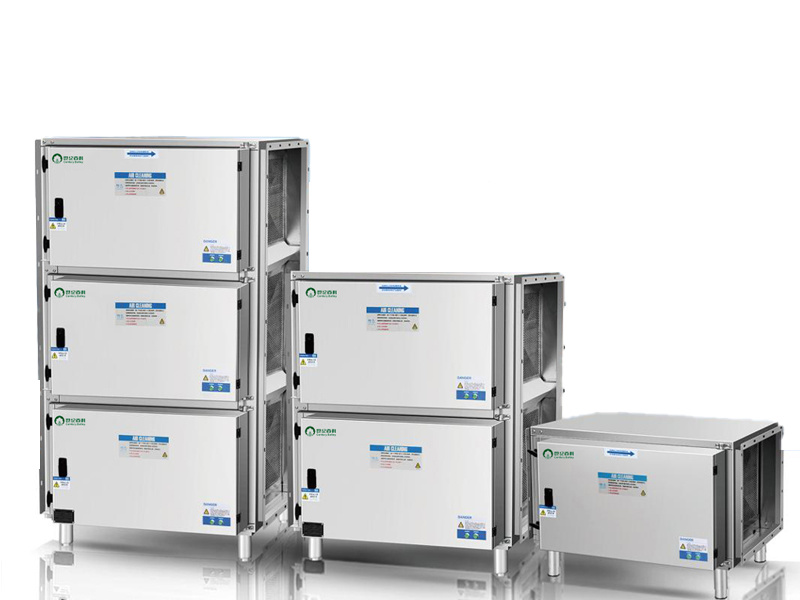
The Low-Altitude Direct Exhaust Fume Purifier is an advanced air purification system designed to capture and neutralize harmful pollutants at their source. This technology focuses on removing contaminants from low-altitude emissions, which are often overlooked by traditional high-altitude exhaust systems.
3.1 Key Components of the System
This innovative equipment comprises several critical components, including:
- Filtration Systems: Multi-layered filters that trap particulate matter, volatile organic compounds (VOCs), and other hazardous substances.
- Activated Carbon Adsorption: Utilizes activated carbon to absorb odors and chemical fumes effectively.
- Smart Sensors: Monitors air quality in real-time, adjusting purification levels as needed.
- Energy Efficient Design: Incorporates sustainable energy solutions, minimizing electricity consumption while maximizing output.
3.2 How It Works
The purifier operates by drawing contaminated air through its filtration system at low altitudes. By targeting emissions directly from the source, it effectively reduces the concentration of harmful substances before they spread throughout the workspace.
4. Advantages of Low-Altitude Direct Exhaust Fume Purifiers
The adoption of Low-Altitude Direct Exhaust Fume Purifiers offers numerous benefits for industrial applications.
4.1 Enhanced Air Quality
By capturing pollutants at their origin, these purifiers significantly improve the overall air quality within industrial facilities, creating a healthier work environment.
4.2 Cost-Efficiency
Investing in advanced air purification technology can lead to reduced health-related costs, lower employee absenteeism, and increased productivity. Moreover, energy-efficient designs help in reducing operational costs.
4.3 Versatile Applications
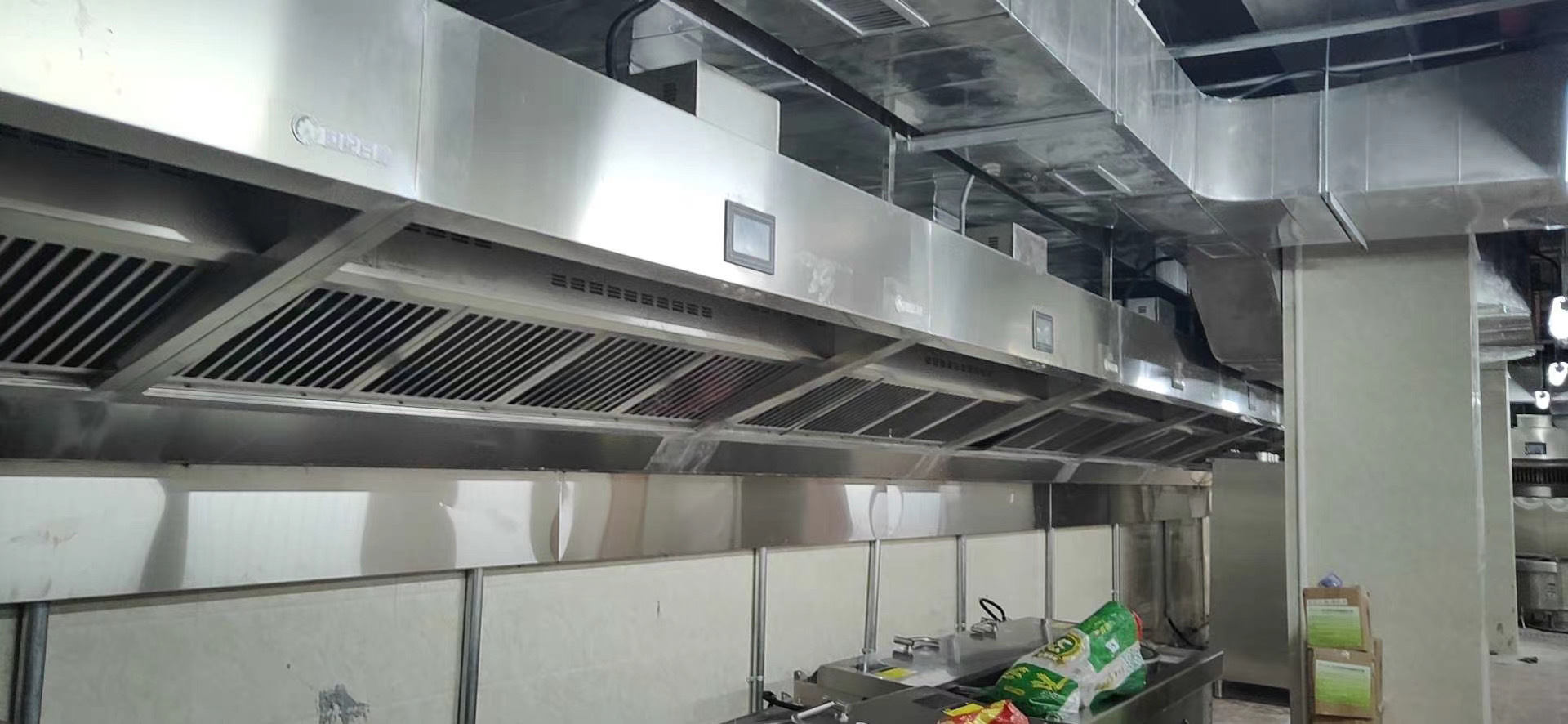
These purifiers can be utilized in a variety of settings, including kitchens, manufacturing plants, and automotive shops, making them a versatile solution for multiple industries.
4.4 Compliance with Environmental Regulations
Employing these systems can ensure compliance with stringent air quality regulations, mitigating legal risks and fostering a positive public image.
5. Applications Across Various Industries
Low-Altitude Direct Exhaust Fume Purifiers find applications in numerous sectors. Here are a few notable examples:
5.1 Food Processing Plants
In food processing facilities, the purifier captures cooking fumes, ensuring that the air remains clean and free from contaminants that could affect food safety and quality.
5.2 Automotive Manufacturing
Automotive industries produce significant fumes during production. These purifiers effectively handle VOCs and other chemicals released in the manufacturing process, protecting workers and the environment.
5.3 Chemical Processing
In chemical plants, controlling airborne pollutants is critical. The Low-Altitude Direct Exhaust Fume Purifier can manage the emission of hazardous substances efficiently, adhering to safety standards.
6. Case Studies: Success Stories
Several companies have reported remarkable improvements in air quality and employee health after implementing Low-Altitude Direct Exhaust Fume Purifiers.
6.1 Case Study: XYZ Food Processing
XYZ Food Processing experienced a **30% reduction** in airborne contaminants within the first month of installation. Employee feedback highlighted increased comfort and productivity, contributing to a safer workplace environment.
6.2 Case Study: ABC Automotive
ABC Automotive saw a **25% decrease** in work-related respiratory issues after deploying the fume purifiers. Their compliance with local air quality standards improved significantly, enhancing their corporate reputation.
7. Maintenance and Longevity of Fume Purifiers
To ensure optimal performance, regular maintenance is crucial. Here are some best practices:
7.1 Regular Filter Replacement
Filters should be inspected and replaced according to the manufacturer’s recommendations to maintain air quality standards.
7.2 System Checks
Conduct periodic system checks to ensure that all components are functioning efficiently. Early detection of issues can save costs and prolong the life of the purifier.
7.3 Professional Servicing
Engage certified professionals for servicing and maintenance. Their expertise will help in troubleshooting and optimizing the system.
8. The Future of Air Purification Technology
As technology advances, the future of air purification looks promising. Innovations such as AI-driven monitoring systems and enhanced filtration technologies will continue to improve air quality management in industrial settings. Moreover, the trend towards sustainability will push manufacturers to develop even more energy-efficient and eco-friendly solutions.
9. Frequently Asked Questions (FAQs)
9.1 What is a Low-Altitude Direct Exhaust Fume Purifier?
A Low-Altitude Direct Exhaust Fume Purifier is a specialized air purification system designed to capture and neutralize harmful emissions at low levels, preventing contaminants from spreading in the workplace.
9.2 How does it improve air quality?
By targeting emissions directly at their source, the purifier significantly reduces the concentration of airborne pollutants, leading to enhanced air quality.
9.3 Where can these purifiers be used?
These purifiers are versatile and can be used in various industries, including food processing, automotive manufacturing, and chemical processing.
9.4 What maintenance is required?
Regular maintenance includes filter replacements, system checks, and professional servicing to ensure optimal performance.
9.5 How do these purifiers comply with regulations?
By effectively reducing airborne pollutants, these purifiers help businesses meet stringent air quality regulations, minimizing legal risks.
10. Conclusion
The **Low-Altitude Direct Exhaust Fume Purifier** represents a significant advancement in air purification technology, addressing critical air quality challenges faced by industries today. By improving workplace safety, enhancing compliance with regulations, and fostering environmental sustainability, this innovative solution is set to transform the industrial landscape. Investing in such technologies not only benefits businesses but also contributes to a healthier planet for future generations. Embracing these advancements today will pave the way for a cleaner and safer tomorrow.
More news


Hotline:+86 136 849 29821
Email:13684929821@139.com
Address:No. 6, Junzibubujun Industrial Road, Guanlan, Longhua New District, Shenzhen


