

-
AboutShenzhen Century Bailey Environmental Protection Technology Co., Ltd. (referred to as "Century Bailey") is located by the Guanlan Lake of the World Golf Village, adjacent to the Shanshui Tianyuan Tourism and Culture Park. It is a national high-tech enterprise and a specialized and new enterprise focusing on the research, development, production, and sales of catering industry oil fume purification products.

-
ProductShenzhen Century Bailey Environmental Protection Technology Co., Ltd. (referred to as "Century Bailey") is located by the Guanlan Lake of the World Golf Village, adjacent to the Shanshui Tianyuan Tourism and Culture Park. It is a national high-tech enterprise and a specialized and new enterprise focusing on the research, development, production, and sales of catering industry oil fume purification products.
-
Core AdvantagesShenzhen Century Bailey Environmental Protection Technology Co., Ltd. (referred to as "Century Bailey") is located by the Guanlan Lake of the World Golf Village, adjacent to the Shanshui Tianyuan Tourism and Culture Park. It is a national high-tech enterprise and a specialized and new enterprise focusing on the research, development, production, and sales of catering industry oil fume purification products.
-
CasesShenzhen Century Bailey Environmental Protection Technology Co., Ltd. (referred to as "Century Bailey") is located by the Guanlan Lake of the World Golf Village, adjacent to the Shanshui Tianyuan Tourism and Culture Park. It is a national high-tech enterprise and a specialized and new enterprise focusing on the research, development, production, and sales of catering industry oil fume purification products.
-
Customer serviceShenzhen Century Bailey Environmental Protection Technology Co., Ltd. (referred to as "Century Bailey") is located by the Guanlan Lake of the World Golf Village, adjacent to the Shanshui Tianyuan Tourism and Culture Park. It is a national high-tech enterprise and a specialized and new enterprise focusing on the research, development, production, and sales of catering industry oil fume purification products.
-
ContactShenzhen Century Bailey Environmental Protection Technology Co., Ltd. (referred to as "Century Bailey") is located by the Guanlan Lake of the World Golf Village, adjacent to the Shanshui Tianyuan Tourism and Culture Park. It is a national high-tech enterprise and a specialized and new enterprise focusing on the research, development, production, and sales of catering industry oil fume purification products.
The Benefits of Using a Combined Fume Purifier in Manufacturing
Release time:
2025-10-29
The Benefits of Using a Combined Fume Purifier in Manufacturing Manufacturing processes often produce harmful emissions that can affect both worker safety and environmental compliance. Industries ranging from automotive to food processing face the challenge of maintaining air quality while maximizing productivity. This is where a **combined fume purifier** comes into play, offering a multifaceted

The Benefits of Using a Combined Fume Purifier in Manufacturing
Manufacturing processes often produce harmful emissions that can affect both worker safety and environmental compliance. Industries ranging from automotive to food processing face the challenge of maintaining air quality while maximizing productivity. This is where a **combined fume purifier** comes into play, offering a multifaceted approach to air purification that is essential for modern manufacturing.
In this article, we will delve into the numerous benefits of using a combined fume purifier, dissecting its functionality, and examining how it can significantly enhance your manufacturing operations.
Table of Contents
- Introduction to Combined Fume Purifiers
- How Combined Fume Purifiers Work
- Key Benefits of Combined Fume Purifiers
- Improved Air Quality
- Enhanced Worker Safety
- Regulatory Compliance
- Increased Operational Efficiency
- Cost-Effectiveness
- Types of Combined Fume Purifiers
- Best Practices for Implementation
- Frequently Asked Questions
- Conclusion
Introduction to Combined Fume Purifiers
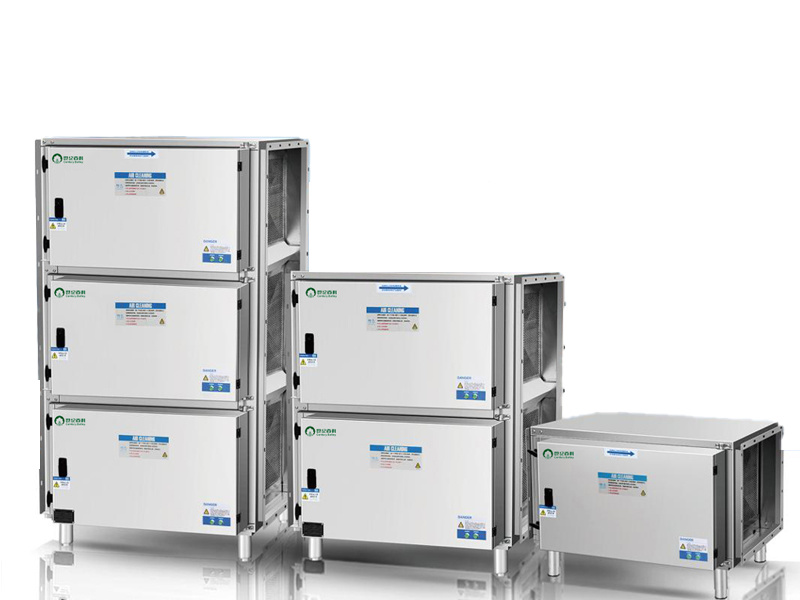
A **combined fume purifier** is an advanced air filtration system designed to capture and eliminate harmful vapors, fumes, and particulate matter generated during manufacturing processes. Unlike traditional single-purpose purifiers, these systems integrate multiple filtration technologies to tackle a broader range of contaminants, making them indispensable in today’s multi-faceted industrial environments.
How Combined Fume Purifiers Work
Understanding how combined fume purifiers operate is crucial for appreciating their benefits. These systems typically employ a combination of filtration methods, including:
1. Mechanical Filtration
Mechanical filters trap larger particles by forcing air through a mesh or a series of filters. This initial stage effectively removes dust and debris, preventing them from entering the more sensitive filtration stages.
2. Chemical Filtration
Chemical filters use activated carbon or other absorbent materials to neutralize harmful gases and vapors. This process is vital for industries dealing with volatile organic compounds (VOCs) and other noxious emissions.
3. Electrostatic Precipitation
Electrostatic precipitators charge particles in the air, causing them to adhere to collection plates. This technology is particularly effective for fine particulate matter that traditional filters may miss.
By combining these technologies, a **combined fume purifier** can efficiently address various contaminants, ensuring that the air quality in manufacturing facilities meets the necessary standards.
Key Benefits of Combined Fume Purifiers
The advantages of implementing a combined fume purifier in manufacturing environments are vast and impactful. Below, we explore some of the most significant benefits.
Improved Air Quality
Maintaining high air quality is vital for both productivity and health. A combined fume purifier effectively reduces airborne contaminants, ensuring that employees breathe cleaner air. This improvement can lead to a noticeable decrease in respiratory issues and allergies among workers, fostering a healthier workplace.
Enhanced Worker Safety
Worker safety is paramount in any manufacturing setting. With a combined fume purifier, harmful emissions are significantly reduced, creating a safer environment for employees. This system not only protects workers' health but also minimizes the risk of accidents associated with poor air quality, such as slips and falls caused by condensation.
Regulatory Compliance
Compliance with environmental regulations is non-negotiable for manufacturing companies. A combined fume purifier can help organizations meet strict air quality standards set by government agencies. By investing in this equipment, companies can avoid hefty fines and maintain their reputation in the industry.
Increased Operational Efficiency
Cleaner air can directly influence operational efficiency. When employees work in a healthier environment, they experience fewer sick days and higher morale, leading to enhanced productivity. Moreover, a combined fume purifier can reduce downtime associated with cleaning and maintenance, allowing for a more streamlined manufacturing process.
Cost-Effectiveness
While the initial investment in a combined fume purifier may seem significant, the long-term savings can be substantial. By reducing health-related expenses, compliance costs, and downtime, businesses can see a considerable return on investment. Furthermore, improved air quality can lead to extended equipment life, further adding to cost savings.
Types of Combined Fume Purifiers
Choosing the right type of combined fume purifier depends on the specific needs of your manufacturing process. Here are some common types:
1. Portable Fume Purifiers
Ideal for smaller operations or temporary setups, portable models can be easily relocated as needed. They offer flexibility and are perfect for environments where space is limited.
2. Centralized Fume Purification Systems
For larger manufacturing facilities, centralized systems provide comprehensive air purification by servicing multiple areas simultaneously. These systems are more complex but are highly effective in larger operations.
3. Customized Solutions
Many manufacturers offer tailored solutions based on unique requirements. Customization may include specific filtration technologies or integration with existing HVAC systems, ensuring optimal performance.
Best Practices for Implementation
To maximize the benefits of a combined fume purifier, consider the following best practices:
1. Assess Your Needs
Conduct a thorough assessment of your manufacturing processes and the types of emissions generated. Understanding your specific requirements will help in selecting the most suitable fume purifier.
2. Regular Maintenance
Implement a routine maintenance schedule to keep the system functioning optimally. Regularly check filters and components to ensure they are in good condition and replace them as needed.
3. Employee Training
Train employees on the importance of air quality and the proper use of the fume purification system. Awareness can enhance the effectiveness of the equipment and encourage a culture of safety.
4. Monitor Air Quality
Utilize air quality monitoring systems to track the effectiveness of your fume purifier. This data can help in making informed decisions regarding maintenance and upgrades.
Frequently Asked Questions
1. What is a combined fume purifier?
A combined fume purifier is an air filtration system that integrates multiple technologies to capture and eliminate a wide range of contaminants produced during manufacturing processes.
2. How do combined fume purifiers improve air quality?
They utilize mechanical, chemical, and electrostatic filtration methods to effectively remove particulate matter, gases, and vapors from the air, resulting in cleaner breathable air.
3. Are combined fume purifiers cost-effective?
Yes, while the initial investment may be high, the long-term savings from reduced health-related costs, compliance fines, and maintenance expenses contribute to significant cost-effectiveness.
4. Can a combined fume purifier help with regulatory compliance?
Absolutely. These systems are designed to help manufacturers meet air quality regulations and standards set by environmental agencies.
5. What types of industries benefit from combined fume purifiers?
Industries such as automotive, aerospace, food processing, and pharmaceuticals can greatly benefit from the implementation of combined fume purifiers due to their diverse emissions and stringent regulations.
Conclusion
The implementation of a combined fume purifier in manufacturing settings is a game-changing decision that offers various benefits—from improved air quality to enhanced worker safety and operational efficiency. By investing in such technology, manufacturers not only comply with regulatory standards but also promote a healthier and more productive work environment. As the industry continues to evolve, the need for effective air purification solutions will remain critical, making combined fume purifiers an invaluable asset in the quest for excellence in manufacturing.
More news


Hotline:+86 136 849 29821
Email:13684929821@139.com
Address:No. 6, Junzibubujun Industrial Road, Guanlan, Longhua New District, Shenzhen


