

-
AboutShenzhen Century Bailey Environmental Protection Technology Co., Ltd. (referred to as "Century Bailey") is located by the Guanlan Lake of the World Golf Village, adjacent to the Shanshui Tianyuan Tourism and Culture Park. It is a national high-tech enterprise and a specialized and new enterprise focusing on the research, development, production, and sales of catering industry oil fume purification products.
-
ProductShenzhen Century Bailey Environmental Protection Technology Co., Ltd. (referred to as "Century Bailey") is located by the Guanlan Lake of the World Golf Village, adjacent to the Shanshui Tianyuan Tourism and Culture Park. It is a national high-tech enterprise and a specialized and new enterprise focusing on the research, development, production, and sales of catering industry oil fume purification products.
-
Core AdvantagesShenzhen Century Bailey Environmental Protection Technology Co., Ltd. (referred to as "Century Bailey") is located by the Guanlan Lake of the World Golf Village, adjacent to the Shanshui Tianyuan Tourism and Culture Park. It is a national high-tech enterprise and a specialized and new enterprise focusing on the research, development, production, and sales of catering industry oil fume purification products.
-
CasesShenzhen Century Bailey Environmental Protection Technology Co., Ltd. (referred to as "Century Bailey") is located by the Guanlan Lake of the World Golf Village, adjacent to the Shanshui Tianyuan Tourism and Culture Park. It is a national high-tech enterprise and a specialized and new enterprise focusing on the research, development, production, and sales of catering industry oil fume purification products.
-
Customer serviceShenzhen Century Bailey Environmental Protection Technology Co., Ltd. (referred to as "Century Bailey") is located by the Guanlan Lake of the World Golf Village, adjacent to the Shanshui Tianyuan Tourism and Culture Park. It is a national high-tech enterprise and a specialized and new enterprise focusing on the research, development, production, and sales of catering industry oil fume purification products.
-
ContactShenzhen Century Bailey Environmental Protection Technology Co., Ltd. (referred to as "Century Bailey") is located by the Guanlan Lake of the World Golf Village, adjacent to the Shanshui Tianyuan Tourism and Culture Park. It is a national high-tech enterprise and a specialized and new enterprise focusing on the research, development, production, and sales of catering industry oil fume purification products.
How Combined Fume Purifiers Enhance Industrial Air Quality
Release time:
2025-10-23
How Combined Fume Purifiers Enhance Industrial Air Quality Introduction to Air Quality in Industrial Settings In today's rapidly advancing industrial sector, ensuring optimal air quality has never been more critical. The presence of harmful pollutants can significantly affect not only worker health but also operational efficiency. Poor air quality leads to severe repercussions, including increased

How Combined Fume Purifiers Enhance Industrial Air Quality
Introduction to Air Quality in Industrial Settings
In today's rapidly advancing industrial sector, ensuring optimal air quality has never been more critical. The presence of harmful pollutants can significantly affect not only worker health but also operational efficiency. Poor air quality leads to severe repercussions, including increased illness, reduced productivity, and higher operational costs. This is where **combined fume purifiers** come into play, offering a robust solution for industries aiming to improve air quality.
Understanding Combined Fume Purification Systems
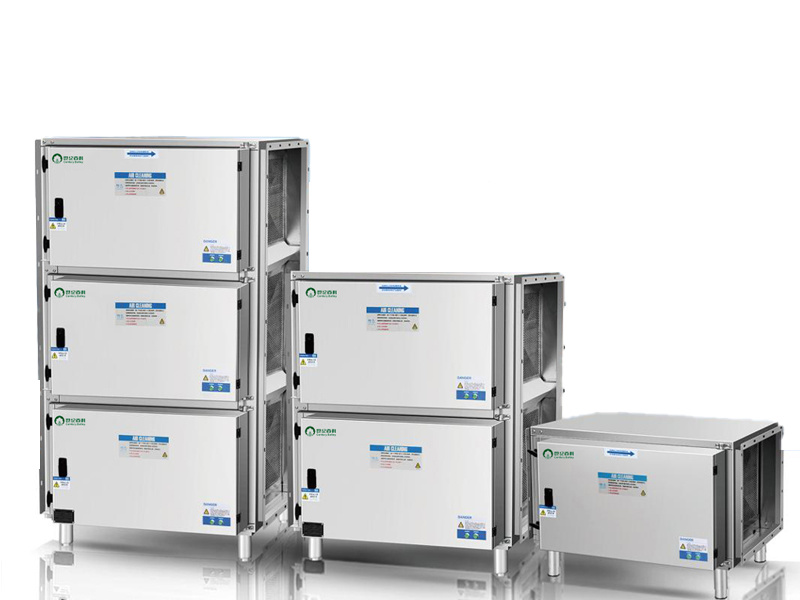
Combined fume purifiers are advanced systems designed to eliminate various airborne contaminants produced during industrial processes. These systems integrate multiple purification technologies to tackle a wide range of pollutants, including volatile organic compounds (VOCs), particulate matter, and hazardous fumes.
The Technology Behind Combined Fume Purifiers
The core of combined fume purifiers lies in their multifaceted technology. These systems typically incorporate:
- **Filtration**: Removal of particulate matter using HEPA filters.
- **Adsorption**: Utilization of activated carbon or other adsorbents to capture VOCs and odors.
- **Chemical Scrubbing**: Employing chemical agents to neutralize harmful gases.
- **Ultraviolet (UV) Light**: Disinfection of microorganisms present in the air.
This integration of technologies enables the purification of air to meet or exceed industry standards.
Key Benefits of Combined Fume Purifiers
Adopting combined fume purifiers in industrial applications presents several benefits:
1. **Enhanced Worker Safety**: By drastically reducing exposure to harmful pollutants, these systems protect the health and well-being of employees.
2. **Improved Air Quality**: The result is a cleaner, healthier work environment that fosters productivity and morale.
3. **Regulatory Compliance**: Industries can easily adhere to local and international regulations regarding air quality, avoiding potential fines and legal issues.
4. **Operational Efficiency**: Cleaner air can lead to better performance of machinery and reduced maintenance costs, ultimately saving companies time and money.
5. **Sustainability**: Many combined fume purifiers are designed with energy efficiency in mind, promoting environmentally friendly practices in industrial operations.
Applications of Combined Fume Purifiers Across Industries
Combined fume purifiers find applications in various industrial settings, including:
1. Manufacturing Facilities
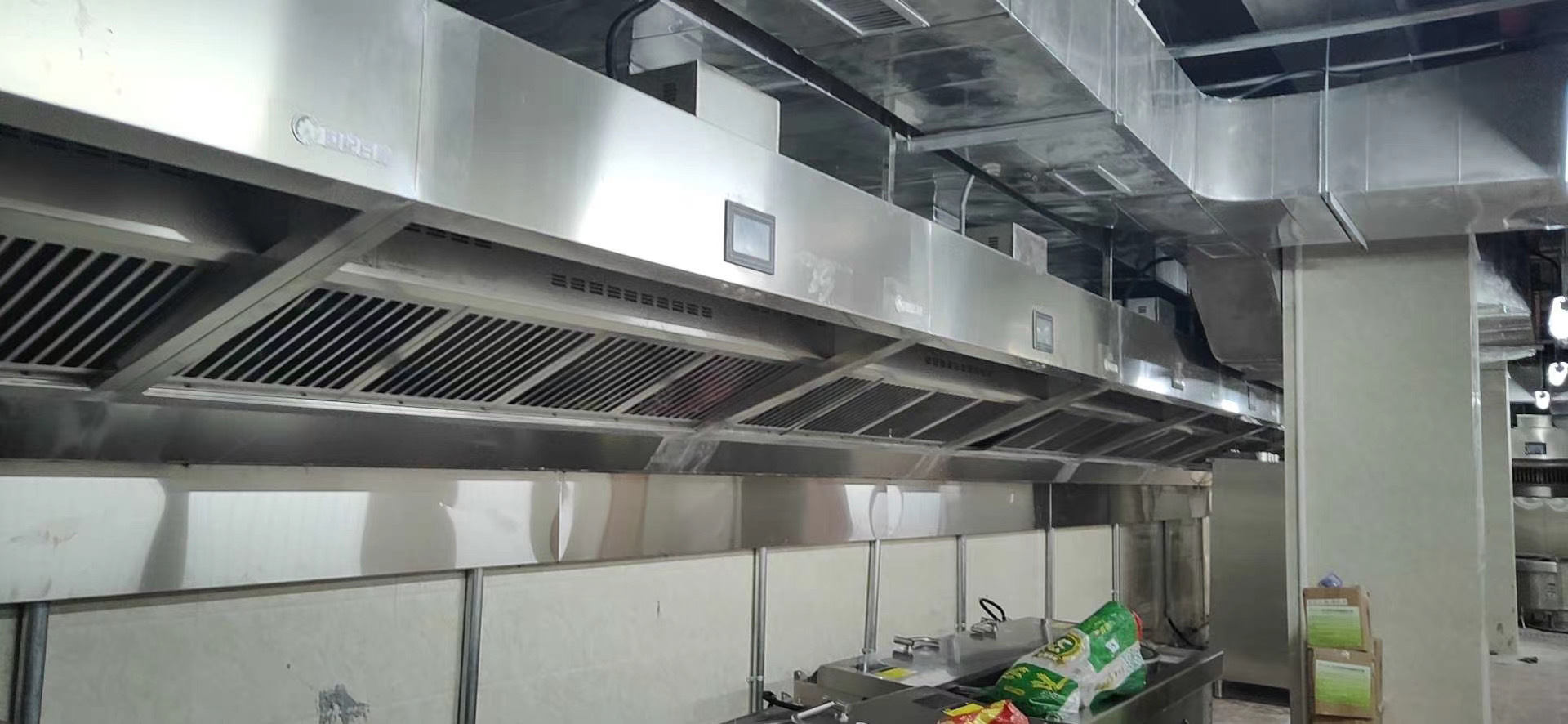
In manufacturing environments where machining, welding, and assembly occur, these purifiers effectively mitigate the release of harmful fumes and particulates.
2. Chemical Processing Plants
Chemical production often generates toxic vapors. Combined fume purifiers are essential in controlling emissions, ensuring worker safety and environmental protection.
3. Food Processing Industries
Maintaining air quality is vital in food processing plants. Odor and particulate control can improve hygiene and compliance with health regulations.
4. Automotive and Aerospace Industries
In automotive and aerospace manufacturing, combined fume purifiers help manage the emissions from paint sprays and other processes, ensuring a safe atmosphere.
5. Pharmaceutical Manufacturing
Pharmaceutical companies must maintain stringent air quality standards. These purifiers assist in controlling airborne contaminants that could compromise product integrity.
Choosing the Right Combined Fume Purifier
Selecting an appropriate combined fume purifier requires careful consideration of several factors:
1. Type of Contaminants
Different industries face unique challenges concerning the types of pollutants they generate. A thorough analysis of the specific contaminants will guide the choice of purification technology.
2. Volume of Airflow
Understanding the air volume that needs purification is crucial. Systems must be able to handle the maximum airflow produced in the facility to ensure effective purification.
3. Space Constraints
Physical space can limit the options available. Selecting a compact yet efficient system can ensure the purification process does not disrupt operations.
4. Maintenance Requirements
Choosing a system with manageable maintenance needs can reduce downtime and operational costs. Regular maintenance is vital for ensuring long-term efficiency.
5. Cost-Effectiveness
While initial costs are important, evaluating the long-term savings achieved through improved air quality and reduced health risks is essential.
The Future of Industrial Air Quality Management
As industrial operations evolve, so too will the technology behind combined fume purifiers. Emerging trends focus on:
1. IoT Integration
The integration of Internet of Things (IoT) technology in air purification systems will facilitate real-time monitoring and data collection, enabling facilities to respond promptly to air quality changes.
2. Advanced Filtration Technologies
Innovations in filtration materials and techniques promise to enhance the efficacy of purification systems, allowing for even greater pollutant reduction.
3. Enhanced Energy Efficiency
Future designs will prioritize energy efficiency, further aligning with global sustainability goals and reducing operational costs.
Frequently Asked Questions (FAQs)
1. What are combined fume purifiers?
Combined fume purifiers are air purification systems that utilize various technologies to remove airborne contaminants, including dust, fumes, and gases, from industrial environments.
2. How do combined fume purifiers improve worker safety?
By effectively removing harmful pollutants from the air, combined fume purifiers create a healthier work environment, reducing the risk of respiratory illnesses and improving overall safety.
3. Are combined fume purifiers energy-efficient?
Many modern combined fume purifiers are designed with energy efficiency in mind, utilizing advanced technologies to minimize power consumption while maximizing purification performance.
4. What industries benefit the most from combined fume purifiers?
Manufacturing, chemical processing, food processing, automotive, aerospace, and pharmaceutical industries all benefit significantly from the implementation of combined fume purifiers.
5. How can I choose the right combined fume purifier for my facility?
Consider factors such as the type of contaminants, airflow requirements, space limitations, maintenance needs, and cost-effectiveness when selecting a combined fume purifier for your facility.
Conclusion
Combined fume purifiers represent a pivotal advancement in industrial air quality management. By effectively removing harmful pollutants, these systems not only protect worker health but also ensure regulatory compliance and operational efficiency. As technology continues to evolve, the capabilities of combined fume purifiers will only expand, paving the way for safer and more sustainable industrial practices. Investing in the right fume purification solution is no longer just an option; it is a necessity for forward-thinking industries aiming to thrive in a competitive landscape.
More news


Hotline:+86 136 849 29821
Email:13684929821@139.com
Address:No. 6, Junzibubujun Industrial Road, Guanlan, Longhua New District, Shenzhen


