

-
AboutShenzhen Century Bailey Environmental Protection Technology Co., Ltd. (referred to as "Century Bailey") is located by the Guanlan Lake of the World Golf Village, adjacent to the Shanshui Tianyuan Tourism and Culture Park. It is a national high-tech enterprise and a specialized and new enterprise focusing on the research, development, production, and sales of catering industry oil fume purification products.

-
ProductShenzhen Century Bailey Environmental Protection Technology Co., Ltd. (referred to as "Century Bailey") is located by the Guanlan Lake of the World Golf Village, adjacent to the Shanshui Tianyuan Tourism and Culture Park. It is a national high-tech enterprise and a specialized and new enterprise focusing on the research, development, production, and sales of catering industry oil fume purification products.
-
Core AdvantagesShenzhen Century Bailey Environmental Protection Technology Co., Ltd. (referred to as "Century Bailey") is located by the Guanlan Lake of the World Golf Village, adjacent to the Shanshui Tianyuan Tourism and Culture Park. It is a national high-tech enterprise and a specialized and new enterprise focusing on the research, development, production, and sales of catering industry oil fume purification products.
-
CasesShenzhen Century Bailey Environmental Protection Technology Co., Ltd. (referred to as "Century Bailey") is located by the Guanlan Lake of the World Golf Village, adjacent to the Shanshui Tianyuan Tourism and Culture Park. It is a national high-tech enterprise and a specialized and new enterprise focusing on the research, development, production, and sales of catering industry oil fume purification products.
-
Customer serviceShenzhen Century Bailey Environmental Protection Technology Co., Ltd. (referred to as "Century Bailey") is located by the Guanlan Lake of the World Golf Village, adjacent to the Shanshui Tianyuan Tourism and Culture Park. It is a national high-tech enterprise and a specialized and new enterprise focusing on the research, development, production, and sales of catering industry oil fume purification products.
-
ContactShenzhen Century Bailey Environmental Protection Technology Co., Ltd. (referred to as "Century Bailey") is located by the Guanlan Lake of the World Golf Village, adjacent to the Shanshui Tianyuan Tourism and Culture Park. It is a national high-tech enterprise and a specialized and new enterprise focusing on the research, development, production, and sales of catering industry oil fume purification products.

Exploring the Benefits of Hamburger Fume Purification Equipment in Industrial Kitchens
Release time:
2025-10-05
Exploring the Benefits of Hamburger Fume Purification Equipment in Industrial Kitchens In the bustling environment of industrial kitchens, particularly those focused on preparing hamburgers and other grilled items, the need for **effective fume purification equipment** cannot be overstated. These specialized systems are essential for maintaining a safe, healthy culinary space, ensuring that both s

Exploring the Benefits of Hamburger Fume Purification Equipment in Industrial Kitchens
In the bustling environment of industrial kitchens, particularly those focused on preparing hamburgers and other grilled items, the need for **effective fume purification equipment** cannot be overstated. These specialized systems are essential for maintaining a safe, healthy culinary space, ensuring that both staff and customers can enjoy their meals without the adverse effects of smoke, grease, and odors. In this article, we will explore the myriad benefits of hamburger fume purification equipment, covering its technology, operational efficiency, health implications, and more.
Table of Contents
1. What is Hamburger Fume Purification Equipment?
2. The Importance of Fume Purification in Industrial Kitchens
3. How Hamburger Fume Purification Works
4. Key Benefits of Hamburger Fume Purification Equipment
- 4.1 Health Benefits for Staff and Customers
- 4.2 Improved Air Quality in the Kitchen
- 4.3 Cost Savings on Equipment Maintenance
- 4.4 Enhanced Kitchen Efficiency
5. Types of Hamburger Fume Purification Systems
6. Regulatory Compliance and Safety Standards
7. Best Practices for Installation and Maintenance
8. Frequently Asked Questions (FAQs)
9. Conclusion
What is Hamburger Fume Purification Equipment?
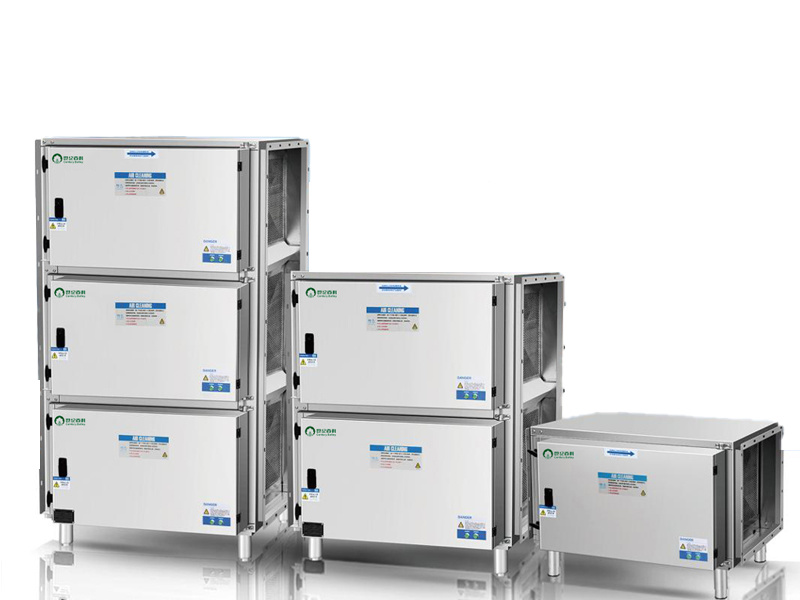
Hamburger fume purification equipment is designed to mitigate the harmful effects of cooking emissions produced in industrial kitchens, particularly those that specialize in grilled or fried foods. These systems work by capturing and filtering smoke, grease, and odors before they can disperse into the kitchen or dining area. Utilizing cutting-edge technologies, such as electrostatic precipitation and chemical absorption, these devices significantly improve air quality and create a healthier working environment.
The Importance of Fume Purification in Industrial Kitchens
Industrial kitchens are inherently high-pressure environments where efficiency and safety are paramount. **Fume purification systems** play a crucial role in ensuring that kitchens operate smoothly and safely. Without proper ventilation and purification, cooking fumes can lead to a variety of issues, including decreased visibility, unpleasant odors, and potential health risks for kitchen staff.
Moreover, businesses that neglect air quality may face significant repercussions, including decreased employee satisfaction and productivity, increased turnover rates, and even legal challenges related to health and safety violations. Thus, investing in hamburger fume purification equipment is not merely a regulatory requirement but a proactive step towards promoting a more sustainable, safe, and efficient kitchen environment.
How Hamburger Fume Purification Works
The operation of hamburger fume purification equipment centers around several key processes:
1. **Capture**
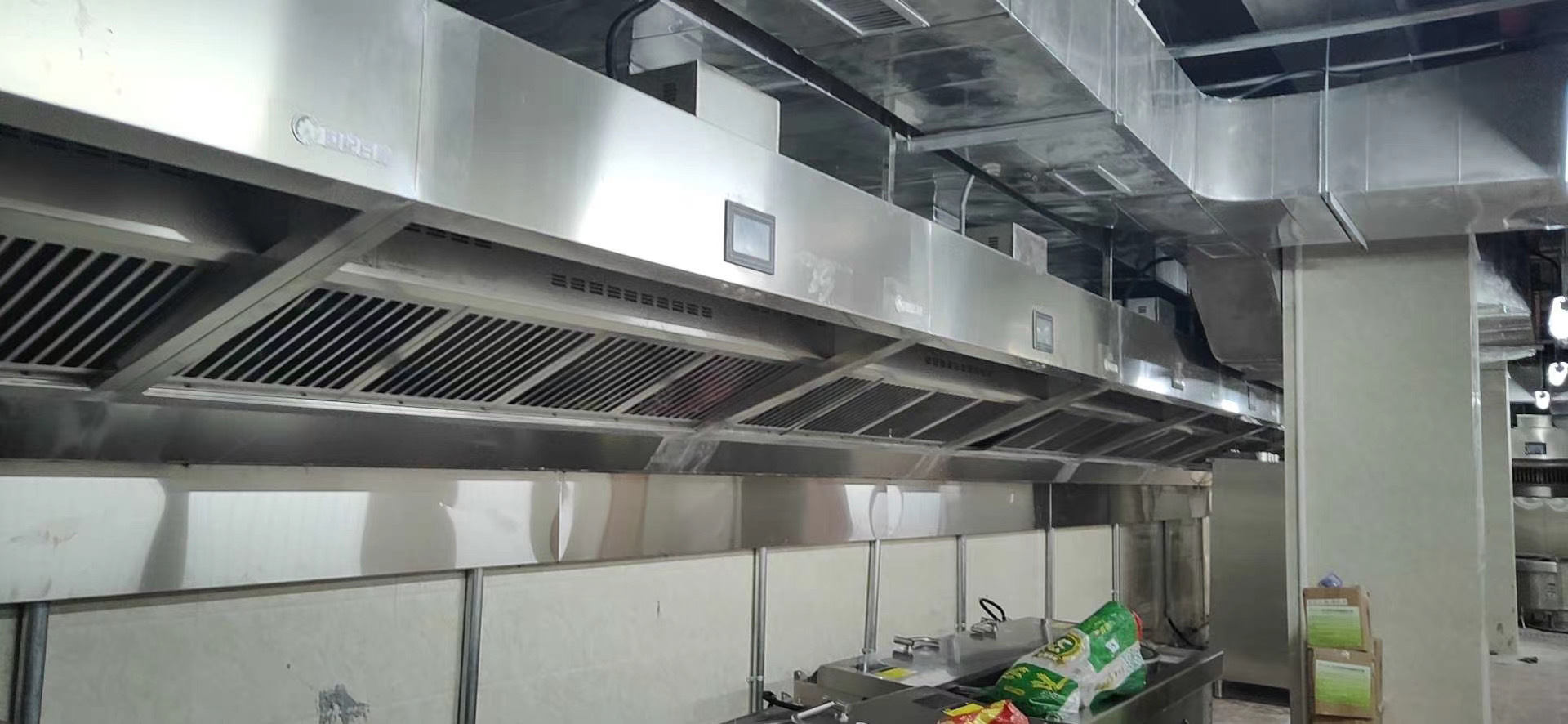
Fumes generated during cooking are captured through strategically placed hoods or exhaust systems. These hoods are designed to be installed directly above cooking surfaces to maximize fume capture efficiency.
2. **Filtration**
Once captured, the smoke and particulates pass through multiple filtration stages. **Mechanical filters** often remove larger particles, while **electrostatic precipitators** help in capturing smaller, charged particles. Advanced systems may incorporate **activated carbon filters** or other technologies to neutralize odors and harmful gases.
3. **Discharge**
After filtration, the purified air is either recirculated back into the kitchen or discharged outside. Systems designed for recirculation must ensure that the air meets specific quality standards to ensure the health and safety of staff.
Key Benefits of Hamburger Fume Purification Equipment
The advantages of investing in hamburger fume purification equipment extend beyond mere compliance with regulations. Here are some of the key benefits:
Health Benefits for Staff and Customers
The primary concern in any kitchen is the health and well-being of the staff and customers. Exposure to fumes and smoke can lead to respiratory issues, eye irritation, and other health complications. Hamburger fume purification equipment drastically reduces these risks by removing airborne contaminants, ensuring a safer work environment and a more pleasant dining experience.
Improved Air Quality in the Kitchen
With effective purification systems in place, the air quality in industrial kitchens improves significantly. Clean air promotes better concentration and efficiency among kitchen staff, contributing to a more productive work environment. Improved air quality also minimizes the risk of unpleasant odors permeating food, ensuring that the quality and flavor of dishes remain uncompromised.
Cost Savings on Equipment Maintenance
Investing in quality fume purification systems can lead to substantial cost savings in the long run. Regular maintenance and cleaning are required for traditional kitchen exhaust systems, which can become clogged with grease and debris. By utilizing advanced fume purification equipment, kitchens can reduce the frequency of maintenance, prolonging the lifespan of cooking equipment and reducing operational costs.
Enhanced Kitchen Efficiency
Efficient fume purification systems contribute to overall kitchen efficiency. By maintaining a clean and clear environment, chefs can focus on food preparation without worrying about smoke build-up affecting their visibility or health. This allows for smoother operations, especially during peak hours, enhancing both productivity and service quality.
Types of Hamburger Fume Purification Systems
Several types of hamburger fume purification systems are available, each with unique features and advantages:
1. **Mechanical Filters**
These systems utilize physical barriers to trap airborne particles and grease. They are often used as a preliminary filtration step in multi-stage systems.
2. **Electrostatic Precipitators**
Electrostatic precipitators work by charging particles in the air, making them easier to attract and capture on collecting plates. This technology is efficient for removing fine particulate matter.
3. **Activated Carbon Filters**
Activated carbon filters are effective at removing odors and certain volatile organic compounds (VOCs) from the air, providing additional purification beyond particle filtration.
4. **Wet Scrubbers**
Wet scrubbers utilize liquid to absorb and neutralize pollutants, making them suitable for applications with high humidity or specific chemical contaminants.
Regulatory Compliance and Safety Standards
The installation and operation of hamburger fume purification equipment must comply with local, regional, and national safety regulations. Authorities often set stringent guidelines for air quality in commercial kitchens, making it imperative for owners and operators to ensure their systems meet these standards. Regular inspections and certifications may be required to guarantee compliance, emphasizing the importance of reliable and efficient fume purification systems.
Best Practices for Installation and Maintenance
To optimize the performance of hamburger fume purification equipment, following best practices for installation and maintenance is crucial:
1. **Professional Installation**
Always engage qualified professionals for the installation of fume purification systems. Proper installation ensures maximum efficiency and compliance with safety standards.
2. **Regular Maintenance Checks**
Schedule routine maintenance checks to clean and inspect filters, fans, and ducts. This helps maintain system efficiency and prolongs equipment lifespan.
3. **Monitor Air Quality**
Implement air quality monitoring systems to assess the performance of your fume purification equipment continuously. This allows for timely interventions if air quality standards are not met.
4. **Employee Training**
Train staff on the importance of fume purification and encourage them to report any issues with the equipment. Creating a culture of safety can significantly enhance the effectiveness of your air quality management strategy.
Frequently Asked Questions (FAQs)
1. What are the signs that a fume purification system needs maintenance?
Signs include poor air quality, increased odors, visible smoke, or a reduction in overall kitchen ventilation performance.
2. How often should I replace filters in my fume purification system?
Filter replacement frequency depends on kitchen usage and the type of food being prepared; however, monthly checks are recommended.
3. Can I install hamburger fume purification equipment myself?
It is highly recommended to hire a professional installer to ensure compliance with safety regulations and effective operation.
4. How do I choose the best fume purification system for my kitchen?
Consider kitchen size, cooking volume, types of food prepared, and local regulations when selecting a system.
5. Are there any environmental benefits to using fume purification systems?
Yes, these systems help reduce harmful emissions released into the atmosphere, contributing to better environmental health.
Conclusion
In conclusion, investing in hamburger fume purification equipment is a strategic choice for any industrial kitchen focused on health, safety, and operational efficiency. By improving air quality, protecting staff health, and ensuring compliance with regulations, these systems play a vital role in enhancing the overall kitchen environment. With various technologies available, kitchen operators can select solutions that best fit their specific needs, leading to a more efficient and pleasant cooking experience. Prioritizing fume purification not only safeguards the well-being of kitchen staff but also enhances the quality of the culinary experience enjoyed by customers.
More news


Hotline:+86 136 849 29821
Email:13684929821@139.com
Address:No. 6, Junzibubujun Industrial Road, Guanlan, Longhua New District, Shenzhen


