

-
AboutShenzhen Century Bailey Environmental Protection Technology Co., Ltd. (referred to as "Century Bailey") is located by the Guanlan Lake of the World Golf Village, adjacent to the Shanshui Tianyuan Tourism and Culture Park. It is a national high-tech enterprise and a specialized and new enterprise focusing on the research, development, production, and sales of catering industry oil fume purification products.

-
ProductShenzhen Century Bailey Environmental Protection Technology Co., Ltd. (referred to as "Century Bailey") is located by the Guanlan Lake of the World Golf Village, adjacent to the Shanshui Tianyuan Tourism and Culture Park. It is a national high-tech enterprise and a specialized and new enterprise focusing on the research, development, production, and sales of catering industry oil fume purification products.
-
Core AdvantagesShenzhen Century Bailey Environmental Protection Technology Co., Ltd. (referred to as "Century Bailey") is located by the Guanlan Lake of the World Golf Village, adjacent to the Shanshui Tianyuan Tourism and Culture Park. It is a national high-tech enterprise and a specialized and new enterprise focusing on the research, development, production, and sales of catering industry oil fume purification products.
-
CasesShenzhen Century Bailey Environmental Protection Technology Co., Ltd. (referred to as "Century Bailey") is located by the Guanlan Lake of the World Golf Village, adjacent to the Shanshui Tianyuan Tourism and Culture Park. It is a national high-tech enterprise and a specialized and new enterprise focusing on the research, development, production, and sales of catering industry oil fume purification products.
-
Customer serviceShenzhen Century Bailey Environmental Protection Technology Co., Ltd. (referred to as "Century Bailey") is located by the Guanlan Lake of the World Golf Village, adjacent to the Shanshui Tianyuan Tourism and Culture Park. It is a national high-tech enterprise and a specialized and new enterprise focusing on the research, development, production, and sales of catering industry oil fume purification products.
-
ContactShenzhen Century Bailey Environmental Protection Technology Co., Ltd. (referred to as "Century Bailey") is located by the Guanlan Lake of the World Golf Village, adjacent to the Shanshui Tianyuan Tourism and Culture Park. It is a national high-tech enterprise and a specialized and new enterprise focusing on the research, development, production, and sales of catering industry oil fume purification products.

Understanding Dynamic Fume Purifiers: Key Insights for Industrial Applications
Release time:
2026-02-11
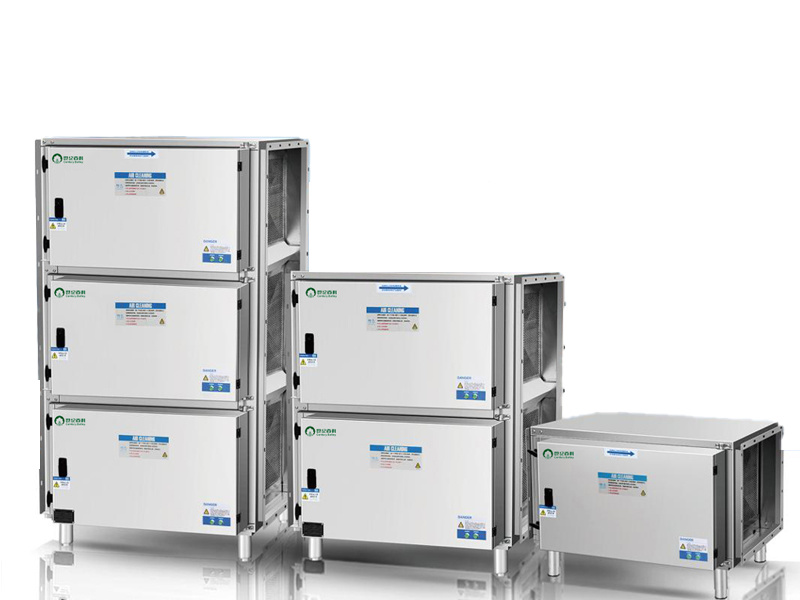
Dynamic fume purifiers are essential components in the realm of air purification, particularly within industrial environments where airborne pollutants are prevalent. These devices are designed to effectively capture and neutralize harmful fumes, ensuring a healthier workplace for employees while also complying with environmental regulations. One of the standout features of dynamic fume purifiers

Dynamic fume purifiers are essential components in the realm of air purification, particularly within industrial environments where airborne pollutants are prevalent. These devices are designed to effectively capture and neutralize harmful fumes, ensuring a healthier workplace for employees while also complying with environmental regulations.
One of the standout features of dynamic fume purifiers is their ability to adapt to varying concentrations of contaminants. Unlike static systems, which may struggle to maintain efficiency under fluctuating conditions, dynamic purifiers actively adjust their filtration processes based on real-time measurements of air quality. This capability is crucial in industrial settings where emissions can differ significantly throughout the day due to changes in production processes or materials used.
The technology behind dynamic fume purifiers often incorporates advanced filtration mechanisms, such as electrostatic precipitators and activated carbon filters. These components work together to trap particulate matter, volatile organic compounds (VOCs), and other hazardous emissions. The result is a multi-faceted approach to air purification that not only protects workers but also minimizes the environmental impact of industrial operations.
Implementing dynamic fume purifiers can lead to numerous benefits. First and foremost, they enhance workplace safety by reducing exposure to toxic fumes, thereby lowering the risk of respiratory issues and other health problems among employees. Furthermore, maintaining air quality through effective fume management can improve productivity. Employees are likely to perform better in a clean and safe environment, leading to fewer sick days and higher morale.
In addition to health benefits, dynamic fume purifiers can also contribute to operational efficiency. By minimizing the release of pollutants, companies can avoid potential fines and regulatory issues associated with air quality violations. Moreover, investing in modern purification technology can often lead to cost savings in the long run, as these systems are designed to be energy-efficient and require less maintenance compared to older models.
The applications of dynamic fume purifiers are vast, ranging from manufacturing facilities to laboratories and food processing plants. Each industry has unique challenges regarding air quality, and these purifiers can be tailored to meet specific needs, ensuring optimal performance.
In conclusion, dynamic fume purifiers serve a critical role in industrial air purification. Their adaptability, efficiency, and focus on worker safety make them an invaluable asset for any facility concerned about air quality. By understanding their functionality and benefits, businesses can make informed decisions that enhance both safety and operational success.
One of the standout features of dynamic fume purifiers is their ability to adapt to varying concentrations of contaminants. Unlike static systems, which may struggle to maintain efficiency under fluctuating conditions, dynamic purifiers actively adjust their filtration processes based on real-time measurements of air quality. This capability is crucial in industrial settings where emissions can differ significantly throughout the day due to changes in production processes or materials used.
The technology behind dynamic fume purifiers often incorporates advanced filtration mechanisms, such as electrostatic precipitators and activated carbon filters. These components work together to trap particulate matter, volatile organic compounds (VOCs), and other hazardous emissions. The result is a multi-faceted approach to air purification that not only protects workers but also minimizes the environmental impact of industrial operations.
Implementing dynamic fume purifiers can lead to numerous benefits. First and foremost, they enhance workplace safety by reducing exposure to toxic fumes, thereby lowering the risk of respiratory issues and other health problems among employees. Furthermore, maintaining air quality through effective fume management can improve productivity. Employees are likely to perform better in a clean and safe environment, leading to fewer sick days and higher morale.
In addition to health benefits, dynamic fume purifiers can also contribute to operational efficiency. By minimizing the release of pollutants, companies can avoid potential fines and regulatory issues associated with air quality violations. Moreover, investing in modern purification technology can often lead to cost savings in the long run, as these systems are designed to be energy-efficient and require less maintenance compared to older models.
The applications of dynamic fume purifiers are vast, ranging from manufacturing facilities to laboratories and food processing plants. Each industry has unique challenges regarding air quality, and these purifiers can be tailored to meet specific needs, ensuring optimal performance.
In conclusion, dynamic fume purifiers serve a critical role in industrial air purification. Their adaptability, efficiency, and focus on worker safety make them an invaluable asset for any facility concerned about air quality. By understanding their functionality and benefits, businesses can make informed decisions that enhance both safety and operational success.
More news



Hotline:+86 136 849 29821
Email:13684929821@139.com
Address:No. 6, Junzibubujun Industrial Road, Guanlan, Longhua New District, Shenzhen


