

-
AboutShenzhen Century Bailey Environmental Protection Technology Co., Ltd. (referred to as "Century Bailey") is located by the Guanlan Lake of the World Golf Village, adjacent to the Shanshui Tianyuan Tourism and Culture Park. It is a national high-tech enterprise and a specialized and new enterprise focusing on the research, development, production, and sales of catering industry oil fume purification products.

-
ProductShenzhen Century Bailey Environmental Protection Technology Co., Ltd. (referred to as "Century Bailey") is located by the Guanlan Lake of the World Golf Village, adjacent to the Shanshui Tianyuan Tourism and Culture Park. It is a national high-tech enterprise and a specialized and new enterprise focusing on the research, development, production, and sales of catering industry oil fume purification products.
-
Core AdvantagesShenzhen Century Bailey Environmental Protection Technology Co., Ltd. (referred to as "Century Bailey") is located by the Guanlan Lake of the World Golf Village, adjacent to the Shanshui Tianyuan Tourism and Culture Park. It is a national high-tech enterprise and a specialized and new enterprise focusing on the research, development, production, and sales of catering industry oil fume purification products.
-
CasesShenzhen Century Bailey Environmental Protection Technology Co., Ltd. (referred to as "Century Bailey") is located by the Guanlan Lake of the World Golf Village, adjacent to the Shanshui Tianyuan Tourism and Culture Park. It is a national high-tech enterprise and a specialized and new enterprise focusing on the research, development, production, and sales of catering industry oil fume purification products.
-
Customer serviceShenzhen Century Bailey Environmental Protection Technology Co., Ltd. (referred to as "Century Bailey") is located by the Guanlan Lake of the World Golf Village, adjacent to the Shanshui Tianyuan Tourism and Culture Park. It is a national high-tech enterprise and a specialized and new enterprise focusing on the research, development, production, and sales of catering industry oil fume purification products.
-
ContactShenzhen Century Bailey Environmental Protection Technology Co., Ltd. (referred to as "Century Bailey") is located by the Guanlan Lake of the World Golf Village, adjacent to the Shanshui Tianyuan Tourism and Culture Park. It is a national high-tech enterprise and a specialized and new enterprise focusing on the research, development, production, and sales of catering industry oil fume purification products.
The Benefits of Using Low-Altitude Direct Exhaust Fume Purifiers in Manufacturing
Release time:
2026-02-08
The Benefits of Using Low-Altitude Direct Exhaust Fume Purifiers in Manufacturing In the manufacturing industry, maintaining a safe and clean working environment is paramount. Low-altitude direct exhaust fume purifiers have emerged as a crucial solution for effectively managing airborne contaminants. This article delves into the myriad advantages of incorporating these systems into manufacturing p

The Benefits of Using Low-Altitude Direct Exhaust Fume Purifiers in Manufacturing
In the manufacturing industry, maintaining a safe and clean working environment is paramount. Low-altitude direct exhaust fume purifiers have emerged as a crucial solution for effectively managing airborne contaminants. This article delves into the myriad advantages of incorporating these systems into manufacturing processes, emphasizing their role in enhancing air quality, ensuring worker safety, and improving overall operational efficiency.
Understanding Low-Altitude Direct Exhaust Fume Purifiers
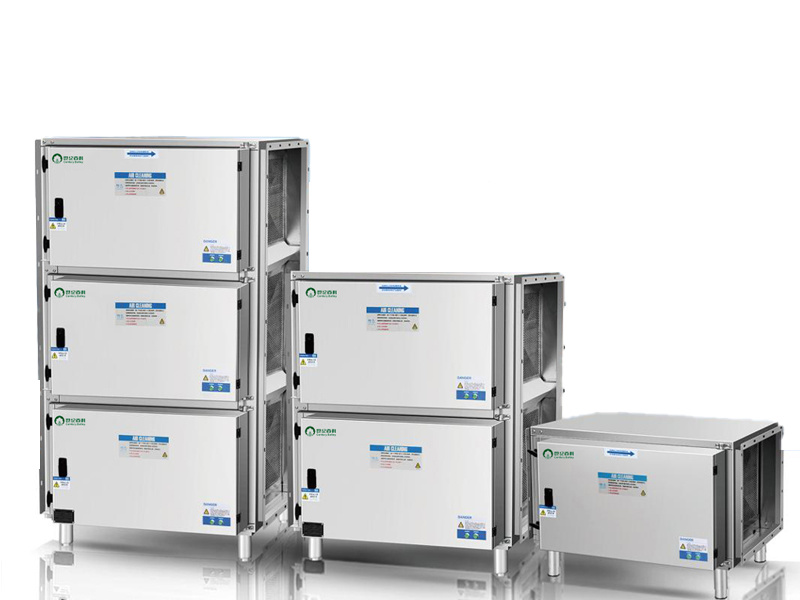
Before we explore their benefits, it's essential to understand what low-altitude direct exhaust fume purifiers are. These advanced air purification systems are designed to extract harmful fumes and particulates directly from the source, typically at a height of around 2 to 3 meters. This innovative approach helps prevent contaminants from dispersing into the atmosphere and protects workers from inhaling dangerous substances.
How They Work
Low-altitude direct exhaust fume purifiers operate using a combination of mechanical filtration, electrostatic precipitation, and activated carbon adsorption technologies. This multifaceted approach allows them to efficiently capture and neutralize a wide range of pollutants, including:
- Volatile organic compounds (VOCs)
- Particulate matter (PM)
- Odorous gases
- Hazardous fumes from welding, painting, and other industrial processes
The Key Benefits of Low-Altitude Direct Exhaust Fume Purifiers
1. Enhanced Air Quality
One of the most significant advantages of low-altitude direct exhaust fume purifiers is their ability to significantly improve indoor air quality. By capturing and filtering out harmful emissions before they can spread, these systems create a healthier work environment. Improved air quality not only protects workers' health but also reduces the risk of respiratory conditions that can arise from prolonged exposure to industrial pollutants.
2. Increased Worker Safety
Worker safety is a top priority in any manufacturing setting. Low-altitude direct exhaust fume purifiers play a crucial role in minimizing the risk of accidents and health hazards associated with exposure to toxic fumes. By keeping harmful substances at bay, organizations can ensure a safer workplace, leading to fewer incidents of illness and injury, and ultimately reducing costs related to healthcare and workers' compensation.
3. Compliance with Regulations
Manufacturers are subject to stringent regulations regarding air quality and worker safety. Implementing low-altitude direct exhaust fume purifiers helps companies comply with local and national environmental standards. By investing in these systems, manufacturers not only avoid potential fines but also demonstrate their commitment to sustainability and employee welfare.
4. Improved Productivity
Healthy workers are more productive workers. By ensuring clean air, low-altitude direct exhaust fume purifiers reduce fatigue and discomfort among employees. When workers are not hindered by poor air quality or health issues, they can focus on their tasks, leading to improved efficiency and output. Additionally, a clean and safe work environment can boost morale and job satisfaction.
5. Cost-Effectiveness
While the initial investment in low-altitude direct exhaust fume purifiers may seem substantial, the long-term savings often outweigh the costs. By preventing health issues and complying with regulations, companies can save significantly on medical expenses and fines. Furthermore, the improved productivity that comes from a healthier work environment can lead to increased profits.
Applications of Low-Altitude Direct Exhaust Fume Purifiers in Manufacturing
1. Welding and Metal Fabrication
In welding and metal fabrication shops, fumes and particulate matter are prevalent. Low-altitude direct exhaust fume purifiers effectively capture harmful emissions, providing a cleaner environment for welders and fabricators. This not only enhances safety but also improves the quality of the final products by reducing contamination.
2. Painting and Coating
Manufacturers involved in painting and coating processes often deal with VOCs and other harmful chemicals. Direct exhaust fume purifiers help minimize these emissions, ensuring compliance with air quality regulations and protecting workers from inhalation risks associated with solvent exposure.
3. Food Processing
Even in food processing environments, maintaining air quality is crucial. Low-altitude direct exhaust fume purifiers can remove odorous gases and particulate matter, ensuring that the air remains fresh and suitable for food production. This is vital for meeting hygiene standards and preventing contamination.
4. Chemical Manufacturing
Chemical manufacturing often involves hazardous substances that can pose significant risks to workers. By utilizing low-altitude direct exhaust fume purifiers, companies can effectively reduce exposure to these harmful emissions, enhancing employee safety and protecting the environment.
Best Practices for Implementing Low-Altitude Direct Exhaust Fume Purifiers
1. Conduct a Thorough Assessment
Before implementing low-altitude direct exhaust fume purifiers, it’s essential to conduct a comprehensive assessment of the facility. Identifying the sources of fumes and understanding the specific contaminants present will enable companies to choose the most suitable purification system.
2. Regular Maintenance and Monitoring
To ensure optimal performance, regular maintenance and monitoring of fume purifiers are crucial. Scheduled inspections and filter replacements will help maintain efficiency and effectiveness, ensuring that air quality remains consistently high.
3. Employee Training and Awareness
Educating employees about the importance of air quality and the proper use of fume purifiers can enhance compliance and overall effectiveness. Training sessions can cover topics such as identifying potential hazards, understanding the benefits of air purification, and using safety equipment properly.
4. Integrating with Other Safety Measures
Low-altitude direct exhaust fume purifiers should be part of a broader safety strategy. Integrating these systems with other safety measures, such as personal protective equipment (PPE) and ventilation systems, can enhance overall effectiveness and worker safety.
FAQs about Low-Altitude Direct Exhaust Fume Purifiers
1. What are low-altitude direct exhaust fume purifiers?
These are advanced air purification systems designed to capture and filter harmful fumes and particulates directly from the source, enhancing air quality in manufacturing environments.
2. How do low-altitude direct exhaust fume purifiers improve workplace safety?
By minimizing exposure to toxic fumes, these purifiers help protect workers from respiratory issues and other health hazards, ensuring a safer workplace.
3. Are low-altitude direct exhaust fume purifiers cost-effective?
Yes, while the initial investment may be significant, the long-term savings on medical expenses, fines, and increased productivity can make them a cost-effective solution.
4. In which industries are low-altitude direct exhaust fume purifiers used?
They are commonly used in welding, metal fabrication, painting, chemical manufacturing, and food processing industries.
5. How often should low-altitude direct exhaust fume purifiers be maintained?
Regular maintenance is crucial, and it is recommended to schedule inspections and filter replacements based on the manufacturer's guidelines and facility needs.
Conclusion
In conclusion, the integration of low-altitude direct exhaust fume purifiers in manufacturing settings offers numerous advantages, from enhanced air quality to improved worker safety and productivity. By understanding their benefits, applications, and best practices, manufacturers can create a safer, cleaner, and more efficient workplace. Investing in these systems not only ensures compliance with regulations but also demonstrates a commitment to the well-being of employees and the environment. As industries continue to evolve, embracing such innovative solutions will be key to thriving in a competitive landscape.
More news



Hotline:+86 136 849 29821
Email:13684929821@139.com
Address:No. 6, Junzibubujun Industrial Road, Guanlan, Longhua New District, Shenzhen


