

-
AboutShenzhen Century Bailey Environmental Protection Technology Co., Ltd. (referred to as "Century Bailey") is located by the Guanlan Lake of the World Golf Village, adjacent to the Shanshui Tianyuan Tourism and Culture Park. It is a national high-tech enterprise and a specialized and new enterprise focusing on the research, development, production, and sales of catering industry oil fume purification products.

-
ProductShenzhen Century Bailey Environmental Protection Technology Co., Ltd. (referred to as "Century Bailey") is located by the Guanlan Lake of the World Golf Village, adjacent to the Shanshui Tianyuan Tourism and Culture Park. It is a national high-tech enterprise and a specialized and new enterprise focusing on the research, development, production, and sales of catering industry oil fume purification products.
-
Core AdvantagesShenzhen Century Bailey Environmental Protection Technology Co., Ltd. (referred to as "Century Bailey") is located by the Guanlan Lake of the World Golf Village, adjacent to the Shanshui Tianyuan Tourism and Culture Park. It is a national high-tech enterprise and a specialized and new enterprise focusing on the research, development, production, and sales of catering industry oil fume purification products.
-
CasesShenzhen Century Bailey Environmental Protection Technology Co., Ltd. (referred to as "Century Bailey") is located by the Guanlan Lake of the World Golf Village, adjacent to the Shanshui Tianyuan Tourism and Culture Park. It is a national high-tech enterprise and a specialized and new enterprise focusing on the research, development, production, and sales of catering industry oil fume purification products.
-
Customer serviceShenzhen Century Bailey Environmental Protection Technology Co., Ltd. (referred to as "Century Bailey") is located by the Guanlan Lake of the World Golf Village, adjacent to the Shanshui Tianyuan Tourism and Culture Park. It is a national high-tech enterprise and a specialized and new enterprise focusing on the research, development, production, and sales of catering industry oil fume purification products.
-
ContactShenzhen Century Bailey Environmental Protection Technology Co., Ltd. (referred to as "Century Bailey") is located by the Guanlan Lake of the World Golf Village, adjacent to the Shanshui Tianyuan Tourism and Culture Park. It is a national high-tech enterprise and a specialized and new enterprise focusing on the research, development, production, and sales of catering industry oil fume purification products.

How High-Volume Oil Fume Purifiers Contribute to Worker Health and Safety
Release time:
2026-02-02
How High-Volume Oil Fume Purifiers Contribute to Worker Health and Safety Table of Contents Introduction to High-Volume Oil Fume Purifiers The Importance of Air Quality in Industrial Settings Health Risks Associated with Oil Fumes Working Principle of High-Volume Oil Fume Purifiers Benefits of High-Volume Oil Fume Purifiers Improved Air Quality Enhanced Worker Productiv

How High-Volume Oil Fume Purifiers Contribute to Worker Health and Safety
Table of Contents
- Introduction to High-Volume Oil Fume Purifiers
- The Importance of Air Quality in Industrial Settings
- Health Risks Associated with Oil Fumes
- Working Principle of High-Volume Oil Fume Purifiers
- Benefits of High-Volume Oil Fume Purifiers
- Installation and Maintenance of Purifiers
- Real-World Case Studies
- Future Trends in Oil Fume Purification Technology
- Frequently Asked Questions (FAQs)
- Conclusion
Introduction to High-Volume Oil Fume Purifiers
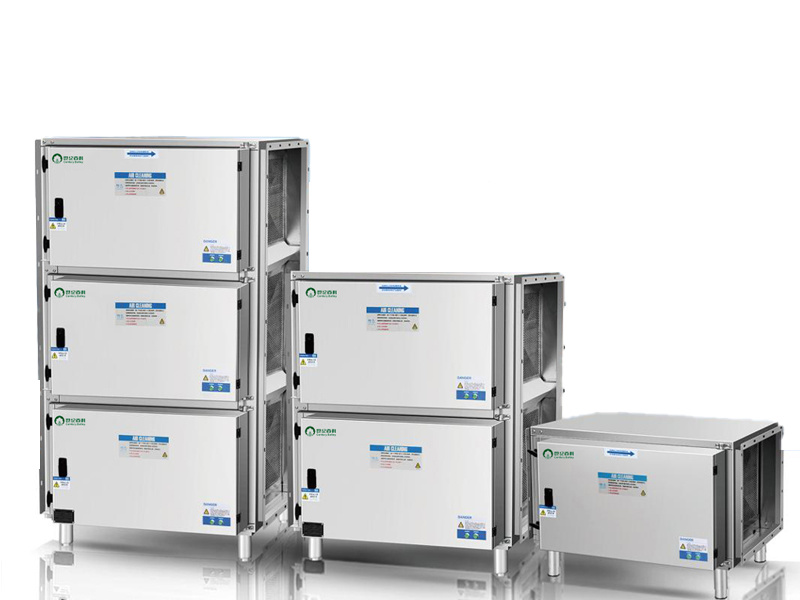
In the industrial landscape, maintaining a safe and healthy working environment is paramount. **High-volume oil fume purifiers** are crucial in safeguarding worker health by effectively removing harmful emissions from the air. These systems are designed to address the specific challenges posed by oil fume generation, particularly in manufacturing and food service industries where frying and cooking processes are prevalent.
The Importance of Air Quality in Industrial Settings
Air quality in industrial settings directly impacts worker health and safety. Poor air quality can lead to a myriad of health issues, including respiratory problems, skin irritations, and long-term chronic diseases. The presence of oil fumes, particulate matter, and other volatile organic compounds (VOCs) necessitates the use of advanced air purification technologies. By ensuring cleaner air, employers can significantly enhance the overall health and productivity of their workforce.
Health Risks Associated with Oil Fumes
The health risks linked to oil fumes are substantial and should not be underestimated. Continuous exposure to oil fumes can lead to:
- **Respiratory Issues**: Chronic exposure can cause irritation to the lungs and exacerbate conditions such as asthma and bronchitis.
- **Skin Problems**: Direct contact with oil fumes can result in skin irritation and allergic reactions.
- **Long-Term Health Concerns**: Prolonged exposure may increase the risk of developing serious illnesses such as cancer and cardiovascular diseases.
Given these risks, investing in high-volume oil fume purifiers is not only a regulatory requirement but also a moral obligation for employers aiming to uphold worker safety and health.
Working Principle of High-Volume Oil Fume Purifiers
High-volume oil fume purifiers operate using advanced filtration technologies to capture and eliminate harmful particles from the air. The working principle can be summarized in several key stages:
1. **Air Intake**: The system draws in contaminated air from the surrounding environment.
2. **Filtration**: The air passes through multiple filters, including pre-filters and HEPA filters, which trap oil particles and other pollutants.
3. **Cyclonic Separation**: High-efficiency cyclonic separators enhance the purification process by rotating the air, allowing for efficient particle removal.
4. **Clean Air Output**: Finally, purified air is released back into the workplace, ensuring a safe and healthy environment for workers.
Understanding the mechanics of these systems illustrates how they effectively mitigate risks posed by oil fumes in various industries.
Benefits of High-Volume Oil Fume Purifiers
Investing in high-volume oil fume purifiers offers numerous benefits that extend beyond mere compliance with regulations.
Improved Air Quality
These purifiers significantly enhance indoor air quality by reducing the concentration of harmful oil fumes and particulates. Cleaner air leads to fewer health-related issues and contributes to the overall well-being of employees.
Enhanced Worker Productivity
Cleaner air boosts worker morale and productivity. Workers in environments with good air quality report higher levels of focus and efficiency, leading to increased output and reduced absenteeism due to health issues.
Regulatory Compliance
Many industries are subject to stringent air quality regulations. Implementing high-volume oil fume purifiers helps businesses comply with these regulations, avoiding potential fines and legal issues.
Installation and Maintenance of Purifiers
The installation of high-volume oil fume purifiers requires careful planning and professional expertise. Factors to consider include:
- **Location**: Positioning the unit in an optimal location to maximize air intake and filtration efficiency.
- **Sizing**: Selecting the right size of purifier based on the volume of air that needs to be cleaned.
- **Power Supply**: Ensuring adequate electrical supply and settings to maintain operational efficiency.
Regular maintenance is crucial for the longevity and performance of these systems. Maintenance tasks include:
- **Filter Replacement**: Regularly changing filters to maintain optimal airflow and purification efficiency.
- **System Checks**: Periodic inspections of the entire system to identify any performance issues.
- **Cleaning**: Keeping the exterior and components of the purifier clean to prevent operational problems.
Real-World Case Studies
Numerous companies have adopted high-volume oil fume purifiers with significant success.
- **Case Study 1: Manufacturing Plant**
A leading manufacturing plant installed high-volume oil fume purifiers to combat excessive fumes from its machining processes. Post-installation, the company noted a **30% reduction in sick leave** and improved employee satisfaction levels.
- **Case Study 2: Restaurant Chain**
A popular restaurant chain implemented high-volume oil fume purifiers in its kitchens. The result was a marked **improvement in air quality**, leading to fewer complaints from staff about respiratory issues and heightened morale.
These examples highlight the tangible benefits that come from investing in advanced air purification technologies.
Future Trends in Oil Fume Purification Technology
As technology continues to evolve, the future of oil fume purification looks promising. Emerging trends include:
- **Smart Filters**: Integration of IoT technology for real-time monitoring of air quality and filter status.
- **Energy-Efficient Systems**: Development of purifiers that utilize less energy while maintaining high purification rates.
- **Eco-Friendly Materials**: Increased focus on sustainable materials and practices in the manufacturing of purification systems.
These advancements will further enhance the efficiency and effectiveness of high-volume oil fume purifiers, ensuring a safer workplace for future generations.
Frequently Asked Questions (FAQs)
1. What are high-volume oil fume purifiers?
High-volume oil fume purifiers are specialized air filtration systems designed to remove harmful oil fumes and particulates from industrial environments.
2. How do oil fume purifiers improve worker safety?
By effectively removing toxic oil fumes from the air, these purifiers reduce the risk of respiratory issues and other health-related problems among workers.
3. Are high-volume oil fume purifiers expensive to operate?
While there may be initial investment costs, the operational costs are generally offset by improved worker health, increased productivity, and compliance with regulations.
4. How often should the filters in oil fume purifiers be replaced?
Filters should be replaced regularly, typically every 3 to 6 months, depending on the manufacturer's recommendations and usage conditions.
5. Can oil fume purifiers be used in all industrial settings?
Yes, high-volume oil fume purifiers are versatile and can be utilized in various settings, including manufacturing plants, kitchens, and workshops.
Conclusion
High-volume oil fume purifiers play a vital role in promoting worker health and safety in industrial environments. By improving air quality, reducing health risks, and enhancing productivity, these advanced systems are a worthy investment for any business aiming to foster a safe and efficient workplace. As technology continues to advance, the capabilities of oil fume purifiers will only improve, further contributing to the well-being of workers everywhere.
More news



Hotline:+86 136 849 29821
Email:13684929821@139.com
Address:No. 6, Junzibubujun Industrial Road, Guanlan, Longhua New District, Shenzhen


