

-
AboutShenzhen Century Bailey Environmental Protection Technology Co., Ltd. (referred to as "Century Bailey") is located by the Guanlan Lake of the World Golf Village, adjacent to the Shanshui Tianyuan Tourism and Culture Park. It is a national high-tech enterprise and a specialized and new enterprise focusing on the research, development, production, and sales of catering industry oil fume purification products.
-
ProductShenzhen Century Bailey Environmental Protection Technology Co., Ltd. (referred to as "Century Bailey") is located by the Guanlan Lake of the World Golf Village, adjacent to the Shanshui Tianyuan Tourism and Culture Park. It is a national high-tech enterprise and a specialized and new enterprise focusing on the research, development, production, and sales of catering industry oil fume purification products.
-
Core AdvantagesShenzhen Century Bailey Environmental Protection Technology Co., Ltd. (referred to as "Century Bailey") is located by the Guanlan Lake of the World Golf Village, adjacent to the Shanshui Tianyuan Tourism and Culture Park. It is a national high-tech enterprise and a specialized and new enterprise focusing on the research, development, production, and sales of catering industry oil fume purification products.
-
CasesShenzhen Century Bailey Environmental Protection Technology Co., Ltd. (referred to as "Century Bailey") is located by the Guanlan Lake of the World Golf Village, adjacent to the Shanshui Tianyuan Tourism and Culture Park. It is a national high-tech enterprise and a specialized and new enterprise focusing on the research, development, production, and sales of catering industry oil fume purification products.
-
Customer serviceShenzhen Century Bailey Environmental Protection Technology Co., Ltd. (referred to as "Century Bailey") is located by the Guanlan Lake of the World Golf Village, adjacent to the Shanshui Tianyuan Tourism and Culture Park. It is a national high-tech enterprise and a specialized and new enterprise focusing on the research, development, production, and sales of catering industry oil fume purification products.
-
ContactShenzhen Century Bailey Environmental Protection Technology Co., Ltd. (referred to as "Century Bailey") is located by the Guanlan Lake of the World Golf Village, adjacent to the Shanshui Tianyuan Tourism and Culture Park. It is a national high-tech enterprise and a specialized and new enterprise focusing on the research, development, production, and sales of catering industry oil fume purification products.
Understanding Combined Fume Purifiers: A Comprehensive Guide to Industrial Air Quality Solutions
Release time:
2026-11-12
Combined fume purifiers are essential pieces of equipment designed to improve air quality in various industrial applications. These devices play a crucial role in mitigating the harmful effects of airborne contaminants produced during processes such as welding, machining, and cooking. By employing advanced filtration technologies, combined fume purifiers effectively remove particulates, volatile o

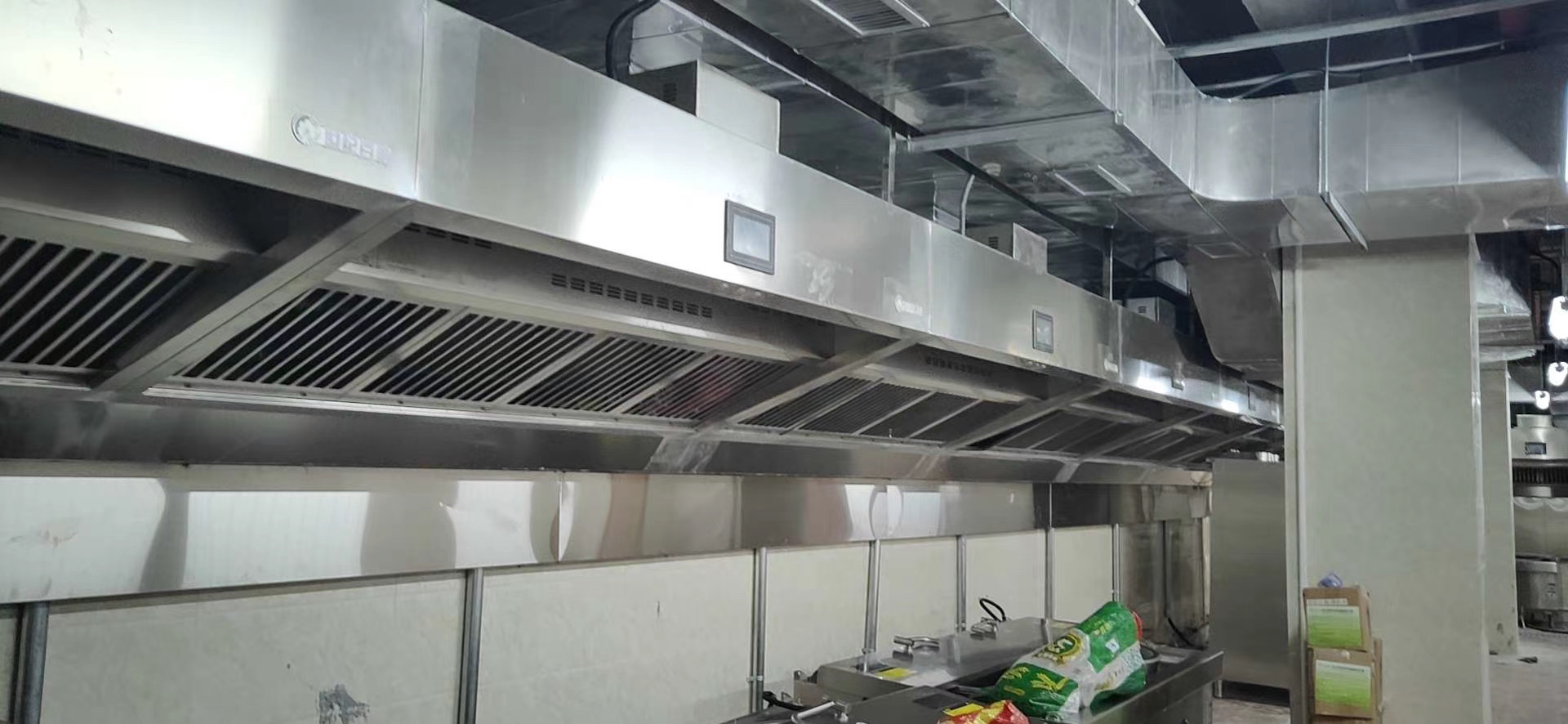
Combined fume purifiers are essential pieces of equipment designed to improve air quality in various industrial applications. These devices play a crucial role in mitigating the harmful effects of airborne contaminants produced during processes such as welding, machining, and cooking. By employing advanced filtration technologies, combined fume purifiers effectively remove particulates, volatile organic compounds (VOCs), and other harmful emissions from the air.
One of the key advantages of a combined fume purifier is its ability to address multiple sources of pollution simultaneously. Featuring both particulate and gas filtration systems, these purifiers can efficiently capture solid particles, such as dust and smoke, while also neutralizing gaseous pollutants. This dual functionality not only enhances the overall air quality but also contributes to a healthier working environment for employees.
Moreover, combined fume purifiers are designed for versatility. They can be incorporated into various industrial settings, from manufacturing plants to restaurants, where air quality is a significant concern. By effectively managing emissions, these devices help businesses comply with environmental regulations and standards, reducing the risk of fines and promoting sustainable practices.
The operation of a combined fume purifier typically involves several stages. Initially, air is drawn into the system, where pre-filters capture larger particles. Following this, the air passes through activated carbon or other specialized filters that target specific gases and VOCs. Finally, the purified air is released back into the environment, contributing to improved air quality.
In addition to their operational benefits, combined fume purifiers also support cost efficiency. By reducing the levels of harmful emissions, businesses can lower their energy consumption and reduce wear and tear on equipment. This translates to less maintenance and fewer replacements, ultimately leading to financial savings over time.
Furthermore, investing in a combined fume purifier can enhance the overall productivity of the workforce. Cleaner air not only promotes better health but also increases employee morale and concentration. Workers in an environment with high air quality are likely to experience fewer health-related issues, resulting in reduced absenteeism and higher productivity levels.
To sum up, combined fume purifiers are indispensable in today’s industrial landscape. Their ability to simultaneously filter out particulates and gases makes them a vital solution for improving air quality. By understanding the functionality and benefits of these devices, businesses can make informed decisions to enhance their operations, protect their workforce, and contribute positively to the environment. Investing in reliable air purification solutions is not just about compliance; it’s about creating a safer, healthier workplace for everyone involved.
More news



Hotline:+86 136 849 29821
Email:13684929821@139.com
Address:No. 6, Junzibubujun Industrial Road, Guanlan, Longhua New District, Shenzhen


