

-
AboutShenzhen Century Bailey Environmental Protection Technology Co., Ltd. (referred to as "Century Bailey") is located by the Guanlan Lake of the World Golf Village, adjacent to the Shanshui Tianyuan Tourism and Culture Park. It is a national high-tech enterprise and a specialized and new enterprise focusing on the research, development, production, and sales of catering industry oil fume purification products.
-
ProductShenzhen Century Bailey Environmental Protection Technology Co., Ltd. (referred to as "Century Bailey") is located by the Guanlan Lake of the World Golf Village, adjacent to the Shanshui Tianyuan Tourism and Culture Park. It is a national high-tech enterprise and a specialized and new enterprise focusing on the research, development, production, and sales of catering industry oil fume purification products.
-
Core AdvantagesShenzhen Century Bailey Environmental Protection Technology Co., Ltd. (referred to as "Century Bailey") is located by the Guanlan Lake of the World Golf Village, adjacent to the Shanshui Tianyuan Tourism and Culture Park. It is a national high-tech enterprise and a specialized and new enterprise focusing on the research, development, production, and sales of catering industry oil fume purification products.
-
CasesShenzhen Century Bailey Environmental Protection Technology Co., Ltd. (referred to as "Century Bailey") is located by the Guanlan Lake of the World Golf Village, adjacent to the Shanshui Tianyuan Tourism and Culture Park. It is a national high-tech enterprise and a specialized and new enterprise focusing on the research, development, production, and sales of catering industry oil fume purification products.
-
Customer serviceShenzhen Century Bailey Environmental Protection Technology Co., Ltd. (referred to as "Century Bailey") is located by the Guanlan Lake of the World Golf Village, adjacent to the Shanshui Tianyuan Tourism and Culture Park. It is a national high-tech enterprise and a specialized and new enterprise focusing on the research, development, production, and sales of catering industry oil fume purification products.
-
ContactShenzhen Century Bailey Environmental Protection Technology Co., Ltd. (referred to as "Century Bailey") is located by the Guanlan Lake of the World Golf Village, adjacent to the Shanshui Tianyuan Tourism and Culture Park. It is a national high-tech enterprise and a specialized and new enterprise focusing on the research, development, production, and sales of catering industry oil fume purification products.
Revolutionizing Clean Air: The Role of Automatic Cleaning Purifiers in Industrial Settings
Release time:
2026-10-27
In today's industrial landscape, maintaining air quality is paramount, particularly in environments where air pollution from machinery and processes can pose serious health risks. Automatic cleaning purifiers have emerged as a vital component in this sector, providing effective solutions for removing harmful particulate matter and contaminants from the air. These systems utilize advanced filtrati

In today's industrial landscape, maintaining air quality is paramount, particularly in environments where air pollution from machinery and processes can pose serious health risks. Automatic cleaning purifiers have emerged as a vital component in this sector, providing effective solutions for removing harmful particulate matter and contaminants from the air.
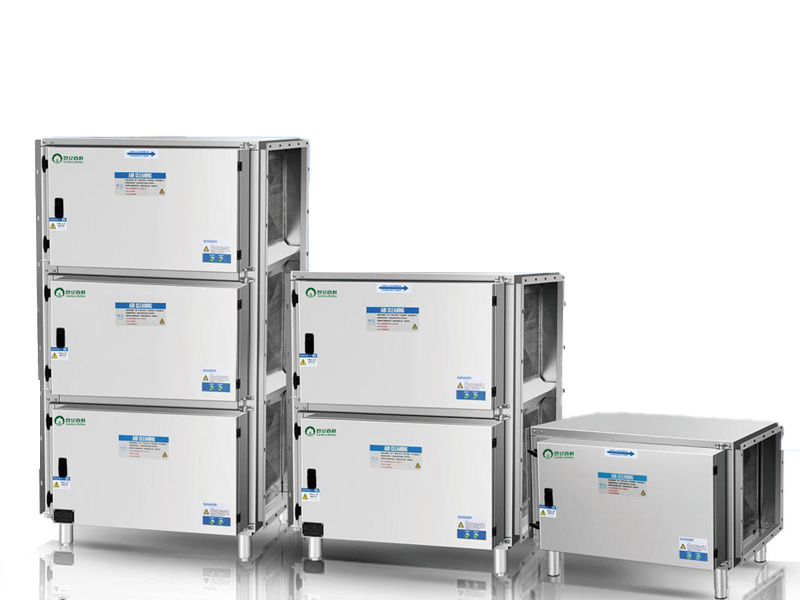
These systems utilize advanced filtration technologies designed to capture and neutralize a range of pollutants, including volatile organic compounds (VOCs), smoke, and odors. The automatic cleaning mechanism within these purifiers not only enhances their efficiency but also reduces maintenance downtime, ensuring continuous operation. This is especially beneficial in high-demand industrial settings where air quality must be consistently monitored and managed.
One of the significant advantages of automatic cleaning purifiers is their ability to self-regulate the cleaning process. Traditional purifiers require regular manual cleaning or replacement of filters, which can be labor-intensive and costly. In contrast, automatic systems employ a variety of methods, such as electrostatic precipitators or regenerative filters, to clean themselves, thereby minimizing human intervention and operational costs. This self-cleaning feature also ensures that the purifiers maintain optimal performance levels over extended periods.
Moreover, the integration of smart technology into these purifiers allows for real-time monitoring of air quality. Many systems come equipped with sensors that can detect changes in pollutant levels, prompting the purifier to adjust its operation accordingly. This adaptability not only enhances the effectiveness of air purification but also provides valuable data for facility managers to make informed decisions regarding air quality management.
In addition to health benefits, implementing automatic cleaning purifiers can lead to improved productivity within an industrial environment. Clean air contributes to a healthier workforce, reducing absenteeism and boosting employee morale. Furthermore, maintaining high air quality can prolong the lifespan of equipment, as pollutants and contaminants often contribute to wear and tear.
As industries continue to prioritize sustainability and health, the role of automatic cleaning purifiers will likely expand. Investing in such technology not only aligns with regulatory requirements but also demonstrates a commitment to environmental and employee well-being.
In summary, automatic cleaning purifiers represent a significant advancement in air purification technology within industrial settings. Their efficiency, self-cleaning capabilities, and integration with smart technology make them an indispensable tool for ensuring clean air, promoting health, and enhancing operational productivity. As industries evolve, embracing these innovations will be crucial for maintaining a safe and sustainable working environment.
More news


Hotline:+86 136 849 29821
Email:13684929821@139.com
Address:No. 6, Junzibubujun Industrial Road, Guanlan, Longhua New District, Shenzhen


