

-
AboutShenzhen Century Bailey Environmental Protection Technology Co., Ltd. (referred to as "Century Bailey") is located by the Guanlan Lake of the World Golf Village, adjacent to the Shanshui Tianyuan Tourism and Culture Park. It is a national high-tech enterprise and a specialized and new enterprise focusing on the research, development, production, and sales of catering industry oil fume purification products.

-
ProductShenzhen Century Bailey Environmental Protection Technology Co., Ltd. (referred to as "Century Bailey") is located by the Guanlan Lake of the World Golf Village, adjacent to the Shanshui Tianyuan Tourism and Culture Park. It is a national high-tech enterprise and a specialized and new enterprise focusing on the research, development, production, and sales of catering industry oil fume purification products.
-
Core AdvantagesShenzhen Century Bailey Environmental Protection Technology Co., Ltd. (referred to as "Century Bailey") is located by the Guanlan Lake of the World Golf Village, adjacent to the Shanshui Tianyuan Tourism and Culture Park. It is a national high-tech enterprise and a specialized and new enterprise focusing on the research, development, production, and sales of catering industry oil fume purification products.
-
CasesShenzhen Century Bailey Environmental Protection Technology Co., Ltd. (referred to as "Century Bailey") is located by the Guanlan Lake of the World Golf Village, adjacent to the Shanshui Tianyuan Tourism and Culture Park. It is a national high-tech enterprise and a specialized and new enterprise focusing on the research, development, production, and sales of catering industry oil fume purification products.
-
Customer serviceShenzhen Century Bailey Environmental Protection Technology Co., Ltd. (referred to as "Century Bailey") is located by the Guanlan Lake of the World Golf Village, adjacent to the Shanshui Tianyuan Tourism and Culture Park. It is a national high-tech enterprise and a specialized and new enterprise focusing on the research, development, production, and sales of catering industry oil fume purification products.
-
ContactShenzhen Century Bailey Environmental Protection Technology Co., Ltd. (referred to as "Century Bailey") is located by the Guanlan Lake of the World Golf Village, adjacent to the Shanshui Tianyuan Tourism and Culture Park. It is a national high-tech enterprise and a specialized and new enterprise focusing on the research, development, production, and sales of catering industry oil fume purification products.
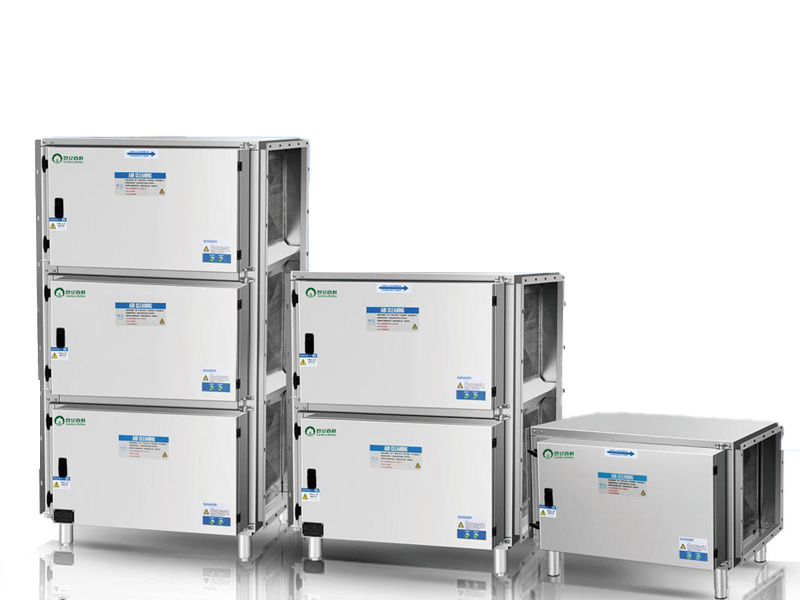
Understanding Low-Altitude Direct Exhaust Fume Purifiers: A Key to Cleaner Industrial Air
Release time:
2026-10-21
In an industrial setting, the presence of pollutants such as smoke, fumes, and various particulate matter can significantly impact air quality. Low-altitude direct exhaust fume purifiers are engineered to address this issue effectively. These systems are designed to capture and filter harmful emissions directly at the source, preventing them from dispersing into the workplace atmosphere. The mech

In an industrial setting, the presence of pollutants such as smoke, fumes, and various particulate matter can significantly impact air quality. Low-altitude direct exhaust fume purifiers are engineered to address this issue effectively. These systems are designed to capture and filter harmful emissions directly at the source, preventing them from dispersing into the workplace atmosphere.
The mechanism of a low-altitude direct exhaust fume purifier operates on the principle of localized air treatment. By being positioned close to the emission point—such as welding stations, painting booths, or cooking equipment—these purifiers ensure that contaminants are swiftly removed from the environment. This not only helps in maintaining compliance with health and safety regulations but also contributes to the overall well-being of employees by reducing exposure to harmful substances.
One of the primary benefits of using a low-altitude direct exhaust fume purifier is the efficiency of air purification. Unlike traditional ventilation systems that may allow pollutants to linger in the air, these purifiers work proactively. They utilize advanced filtration technologies, such as activated carbon filters, HEPA filters, and electrostatic precipitators, to capture a wide range of airborne contaminants. This results in cleaner air and a healthier workplace.
Moreover, these systems are often designed with energy efficiency in mind, minimizing unnecessary energy consumption while maximizing purification performance. Many low-altitude direct exhaust fume purifiers are equipped with variable speed fans, allowing users to adjust airflow according to the level of emissions. This adaptability ensures that the system operates optimally under varying conditions, saving energy and reducing operational costs.
Another critical aspect to consider is maintenance. Low-altitude direct exhaust fume purifiers typically feature easy-to-access filter compartments for straightforward maintenance routines. Regularly replacing or cleaning filters is essential to maintain performance and ensure that the system continues to operate effectively. This ease of maintenance can help organizations allocate resources more efficiently while ensuring ongoing compliance with air quality standards.
In conclusion, low-altitude direct exhaust fume purifiers represent an essential component in the air purification landscape for industrial settings. By capturing contaminants at their source, these systems not only improve immediate air quality but also promote a healthier work environment. For industries that prioritize air quality and employee well-being, investing in such advanced purification solutions is a step towards better health and efficiency in operations.
More news



Hotline:+86 136 849 29821
Email:13684929821@139.com
Address:No. 6, Junzibubujun Industrial Road, Guanlan, Longhua New District, Shenzhen


