

-
AboutShenzhen Century Bailey Environmental Protection Technology Co., Ltd. (referred to as "Century Bailey") is located by the Guanlan Lake of the World Golf Village, adjacent to the Shanshui Tianyuan Tourism and Culture Park. It is a national high-tech enterprise and a specialized and new enterprise focusing on the research, development, production, and sales of catering industry oil fume purification products.

-
ProductShenzhen Century Bailey Environmental Protection Technology Co., Ltd. (referred to as "Century Bailey") is located by the Guanlan Lake of the World Golf Village, adjacent to the Shanshui Tianyuan Tourism and Culture Park. It is a national high-tech enterprise and a specialized and new enterprise focusing on the research, development, production, and sales of catering industry oil fume purification products.
-
Core AdvantagesShenzhen Century Bailey Environmental Protection Technology Co., Ltd. (referred to as "Century Bailey") is located by the Guanlan Lake of the World Golf Village, adjacent to the Shanshui Tianyuan Tourism and Culture Park. It is a national high-tech enterprise and a specialized and new enterprise focusing on the research, development, production, and sales of catering industry oil fume purification products.
-
CasesShenzhen Century Bailey Environmental Protection Technology Co., Ltd. (referred to as "Century Bailey") is located by the Guanlan Lake of the World Golf Village, adjacent to the Shanshui Tianyuan Tourism and Culture Park. It is a national high-tech enterprise and a specialized and new enterprise focusing on the research, development, production, and sales of catering industry oil fume purification products.
-
Customer serviceShenzhen Century Bailey Environmental Protection Technology Co., Ltd. (referred to as "Century Bailey") is located by the Guanlan Lake of the World Golf Village, adjacent to the Shanshui Tianyuan Tourism and Culture Park. It is a national high-tech enterprise and a specialized and new enterprise focusing on the research, development, production, and sales of catering industry oil fume purification products.
-
ContactShenzhen Century Bailey Environmental Protection Technology Co., Ltd. (referred to as "Century Bailey") is located by the Guanlan Lake of the World Golf Village, adjacent to the Shanshui Tianyuan Tourism and Culture Park. It is a national high-tech enterprise and a specialized and new enterprise focusing on the research, development, production, and sales of catering industry oil fume purification products.
Common Misconceptions About Combined Fume Purifiers Debunked
Release time:
2026-10-18
Common Misconceptions About Combined Fume Purifiers Debunked Introduction to Combined Fume Purifiers Combined fume purifiers are essential devices in various industrial settings, designed to efficiently reduce airborne pollutants, including volatile organic compounds (VOCs), grease, and smoke. Misunderstandings about their operation and effectiveness can lead to poor decision-making in equipment s

Common Misconceptions About Combined Fume Purifiers Debunked
Introduction to Combined Fume Purifiers
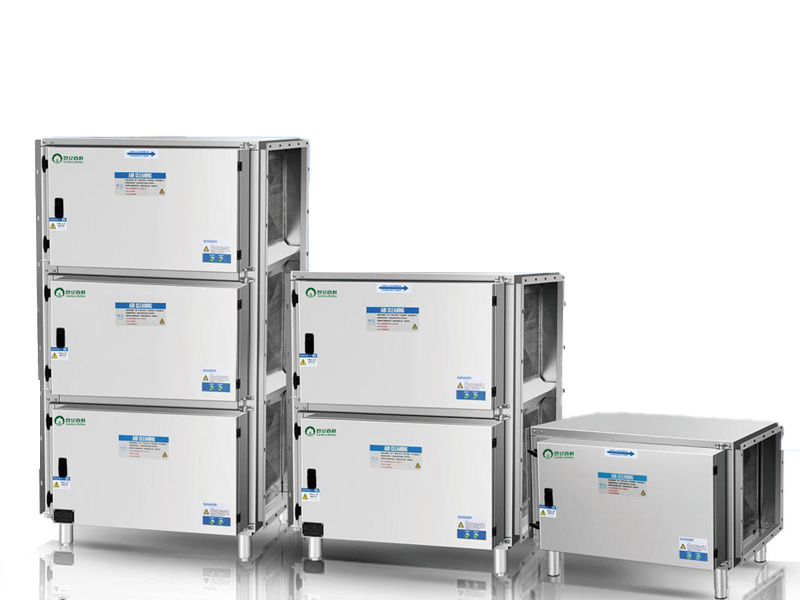
Combined fume purifiers are essential devices in various industrial settings, designed to efficiently reduce airborne pollutants, including volatile organic compounds (VOCs), grease, and smoke. Misunderstandings about their operation and effectiveness can lead to poor decision-making in equipment selection and workplace safety. In this article, we will clarify these misconceptions and provide you with a comprehensive understanding of how combined fume purifiers work.
Table of Contents
- Misconception #1: All Fume Purifiers Are the Same
- Misconception #2: Combined Fume Purifiers Are Too Expensive
- Misconception #3: They Require Extensive Maintenance
- Misconception #4: They Are Inefficient
- Misconception #5: Only Large Industries Benefit From Them
- Misconception #6: They Cannot Handle Multiple Pollutants
- Misconception #7: They Are Noisy and Distracting
- Misconception #8: They Don’t Improve Workplace Safety
- Conclusion
- Frequently Asked Questions
Misconception #1: All Fume Purifiers Are the Same
The first misconception is that all fume purifiers function similarly. In reality, **combined fume purifiers are specifically designed** to handle multiple types of pollutants, including smoke, grease, and chemical fumes. Unlike standard purifiers, these devices integrate various filtration technologies, such as electrostatic precipitators and activated carbon filters. Understanding the unique features of combined fume purifiers can help businesses choose the right equipment for their specific needs.
Misconception #2: Combined Fume Purifiers Are Too Expensive
Many potential users dismiss combined fume purifiers due to perceived high costs. However, when evaluating the **overall value**, it's essential to consider long-term benefits. Investing in a high-quality combined fume purifier can lead to significant savings through reduced health risks, improved air quality, and lower energy consumption over time. Furthermore, the potential costs associated with poor air quality, such as health-related absences and decreased productivity, far outweigh the initial investment.
Misconception #3: They Require Extensive Maintenance
Another prevalent myth is that combined fume purifiers demand excessive maintenance. While it's true that regular upkeep is necessary for optimal performance, the maintenance required is often less intensive than many expect. Most units are designed for easy access to filters and components, allowing for straightforward cleaning and replacement. Regular inspections and timely filter changes can ensure longevity and efficiency, making them a practical choice for various industries.
Misconception #4: They Are Inefficient
Some skeptics argue that combined fume purifiers do not operate efficiently. **This misconception arises from outdated technology and poorly designed systems**. Modern combined fume purifiers utilize advanced filtration technologies that ensure high removal efficiencies of airborne contaminants. They are capable of adapting to different operational conditions, ensuring that air quality remains consistently high, regardless of the pollutants present.
Misconception #5: Only Large Industries Benefit From Them
It's a common belief that combined fume purifiers are only beneficial for large-scale industrial operations. This is not the case; smaller businesses can also greatly benefit from these systems. **Any workplace that produces airborne pollutants can improve air quality and employee safety** through the use of a combined fume purifier. Many models are available specifically for smaller industrial spaces, ensuring that businesses of all sizes can achieve cleaner air.
Misconception #6: They Cannot Handle Multiple Pollutants
Some people think combined fume purifiers are only effective for specific types of pollutants. However, **these systems are engineered to tackle multiple airborne contaminants simultaneously**. By integrating multiple filtration methods, such as UV light, electrostatic filtration, and activated carbon, combined fume purifiers can effectively address a wide range of pollutants, ensuring a comprehensive solution to air quality challenges.
Misconception #7: They Are Noisy and Distracting
Another misconception is that combined fume purifiers produce excessive noise, leading to a distracting work environment. In reality, many modern models are designed with **noise reduction features**, ensuring quiet operation while maintaining efficiency. Businesses can achieve cleaner air without compromising employee comfort, allowing for a more productive workplace.
Misconception #8: They Don’t Improve Workplace Safety
Finally, some may believe that combined fume purifiers do not contribute to workplace safety. This misconception undermines the critical role of clean air in promoting health and safety. **By effectively capturing and neutralizing harmful pollutants**, these devices reduce the risk of health issues among employees, fostering a safer work environment. Ensuring good air quality can also lead to lower insurance costs and improved employee morale.
Conclusion
Understanding the **common misconceptions surrounding combined fume purifiers** is essential for making informed decisions about workplace air quality. By debunking these myths, we can see that these devices offer significant benefits for businesses of all sizes. Investing in a combined fume purifier not only enhances air quality but also promotes a safer, healthier work environment, ensuring compliance with safety regulations and improving overall productivity.
Frequently Asked Questions
1. What is a combined fume purifier?
Combined fume purifiers are advanced air filtration systems designed to capture and eliminate various airborne pollutants, including smoke, grease, and chemical fumes.
2. How do combined fume purifiers work?
These purifiers utilize a combination of filtration technologies, such as electrostatic filters and activated carbon, to effectively remove multiple types of contaminants from the air.
3. Are combined fume purifiers cost-effective for small businesses?
Yes, combined fume purifiers can be a cost-effective solution for small businesses by improving air quality and reducing health risks, ultimately leading to lower operational costs.
4. How often should I maintain my combined fume purifier?
Regular maintenance, including filter changes and inspections, should typically be conducted every 3 to 6 months, depending on usage and the specific model.
5. Can combined fume purifiers operate quietly?
Modern models are designed with noise reduction features, allowing them to operate quietly while maintaining high efficiency, thus creating a comfortable work environment.
More news



Hotline:+86 136 849 29821
Email:13684929821@139.com
Address:No. 6, Junzibubujun Industrial Road, Guanlan, Longhua New District, Shenzhen


