

-
AboutShenzhen Century Bailey Environmental Protection Technology Co., Ltd. (referred to as "Century Bailey") is located by the Guanlan Lake of the World Golf Village, adjacent to the Shanshui Tianyuan Tourism and Culture Park. It is a national high-tech enterprise and a specialized and new enterprise focusing on the research, development, production, and sales of catering industry oil fume purification products.

-
ProductShenzhen Century Bailey Environmental Protection Technology Co., Ltd. (referred to as "Century Bailey") is located by the Guanlan Lake of the World Golf Village, adjacent to the Shanshui Tianyuan Tourism and Culture Park. It is a national high-tech enterprise and a specialized and new enterprise focusing on the research, development, production, and sales of catering industry oil fume purification products.
-
Core AdvantagesShenzhen Century Bailey Environmental Protection Technology Co., Ltd. (referred to as "Century Bailey") is located by the Guanlan Lake of the World Golf Village, adjacent to the Shanshui Tianyuan Tourism and Culture Park. It is a national high-tech enterprise and a specialized and new enterprise focusing on the research, development, production, and sales of catering industry oil fume purification products.
-
CasesShenzhen Century Bailey Environmental Protection Technology Co., Ltd. (referred to as "Century Bailey") is located by the Guanlan Lake of the World Golf Village, adjacent to the Shanshui Tianyuan Tourism and Culture Park. It is a national high-tech enterprise and a specialized and new enterprise focusing on the research, development, production, and sales of catering industry oil fume purification products.
-
Customer serviceShenzhen Century Bailey Environmental Protection Technology Co., Ltd. (referred to as "Century Bailey") is located by the Guanlan Lake of the World Golf Village, adjacent to the Shanshui Tianyuan Tourism and Culture Park. It is a national high-tech enterprise and a specialized and new enterprise focusing on the research, development, production, and sales of catering industry oil fume purification products.
-
ContactShenzhen Century Bailey Environmental Protection Technology Co., Ltd. (referred to as "Century Bailey") is located by the Guanlan Lake of the World Golf Village, adjacent to the Shanshui Tianyuan Tourism and Culture Park. It is a national high-tech enterprise and a specialized and new enterprise focusing on the research, development, production, and sales of catering industry oil fume purification products.

Maximizing Efficiency with High-Volume Oil Fume Purifiers: A Comprehensive Guide
Release time:
2026-10-15
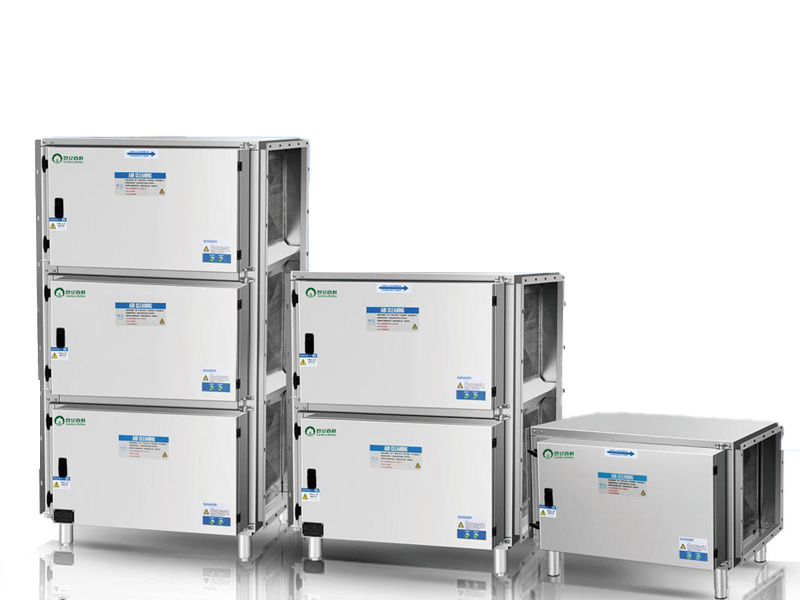
High-volume oil fume purifiers are essential devices designed to mitigate the release of harmful oil fumes and particulate matter generated during industrial processes, especially in sectors such as manufacturing, food processing, and automotive. These purifiers help maintain compliance with environmental regulations while ensuring a safe working environment for employees. One of the most signifi

High-volume oil fume purifiers are essential devices designed to mitigate the release of harmful oil fumes and particulate matter generated during industrial processes, especially in sectors such as manufacturing, food processing, and automotive. These purifiers help maintain compliance with environmental regulations while ensuring a safe working environment for employees.
One of the most significant advantages of high-volume oil fume purifiers is their ability to handle large quantities of air, making them ideal for facilities with extensive operations generating substantial oil mists and fumes. These units typically employ advanced filtration technologies, such as electrostatic precipitators or multi-stage filtration systems, to capture and remove contaminants effectively. By utilizing such technologies, these purifiers not only improve air quality but also contribute to the longevity of equipment by minimizing the accumulation of greasy residues on machinery.
In addition to their technical capabilities, high-volume oil fume purifiers play a crucial role in enhancing overall workplace safety. Exposure to oil fumes can lead to various health complications for workers, including respiratory issues and skin irritations. By implementing these purifiers, companies can significantly reduce the risk of occupational hazards, fostering a healthier and more productive work environment.
When selecting a high-volume oil fume purifier, it’s essential to consider several factors, such as the volume of air to be processed, the specific contaminants present, and the layout of the facility. A well-designed purifier system should be tailored to the unique requirements of the operation, ensuring maximum efficiency and effectiveness. Conducting an air quality assessment can help determine the best approach and the appropriate size and type of purifier needed.
Moreover, regular maintenance and monitoring of high-volume oil fume purifiers are critical to ensure optimal performance. This includes routine cleaning, inspection, and replacement of filters as needed. Implementing a proactive maintenance schedule can prevent system failures and extend the lifespan of the equipment, ultimately leading to cost savings in the long run.
In conclusion, high-volume oil fume purifiers are indispensable in managing air quality within industrial settings. By effectively capturing and eliminating harmful oil fumes, these devices not only enhance compliance with environmental standards but also promote worker well-being. Understanding their functionality and the importance of proper installation and maintenance allows businesses to leverage these systems to create a cleaner, safer work environment.
More news



Hotline:+86 136 849 29821
Email:13684929821@139.com
Address:No. 6, Junzibubujun Industrial Road, Guanlan, Longhua New District, Shenzhen


