

-
AboutShenzhen Century Bailey Environmental Protection Technology Co., Ltd. (referred to as "Century Bailey") is located by the Guanlan Lake of the World Golf Village, adjacent to the Shanshui Tianyuan Tourism and Culture Park. It is a national high-tech enterprise and a specialized and new enterprise focusing on the research, development, production, and sales of catering industry oil fume purification products.

-
ProductShenzhen Century Bailey Environmental Protection Technology Co., Ltd. (referred to as "Century Bailey") is located by the Guanlan Lake of the World Golf Village, adjacent to the Shanshui Tianyuan Tourism and Culture Park. It is a national high-tech enterprise and a specialized and new enterprise focusing on the research, development, production, and sales of catering industry oil fume purification products.
-
Core AdvantagesShenzhen Century Bailey Environmental Protection Technology Co., Ltd. (referred to as "Century Bailey") is located by the Guanlan Lake of the World Golf Village, adjacent to the Shanshui Tianyuan Tourism and Culture Park. It is a national high-tech enterprise and a specialized and new enterprise focusing on the research, development, production, and sales of catering industry oil fume purification products.
-
CasesShenzhen Century Bailey Environmental Protection Technology Co., Ltd. (referred to as "Century Bailey") is located by the Guanlan Lake of the World Golf Village, adjacent to the Shanshui Tianyuan Tourism and Culture Park. It is a national high-tech enterprise and a specialized and new enterprise focusing on the research, development, production, and sales of catering industry oil fume purification products.
-
Customer serviceShenzhen Century Bailey Environmental Protection Technology Co., Ltd. (referred to as "Century Bailey") is located by the Guanlan Lake of the World Golf Village, adjacent to the Shanshui Tianyuan Tourism and Culture Park. It is a national high-tech enterprise and a specialized and new enterprise focusing on the research, development, production, and sales of catering industry oil fume purification products.
-
ContactShenzhen Century Bailey Environmental Protection Technology Co., Ltd. (referred to as "Century Bailey") is located by the Guanlan Lake of the World Golf Village, adjacent to the Shanshui Tianyuan Tourism and Culture Park. It is a national high-tech enterprise and a specialized and new enterprise focusing on the research, development, production, and sales of catering industry oil fume purification products.

Understanding Dynamic Fume Purifiers: A Key to Effective Air Quality Management
Release time:
2026-10-09
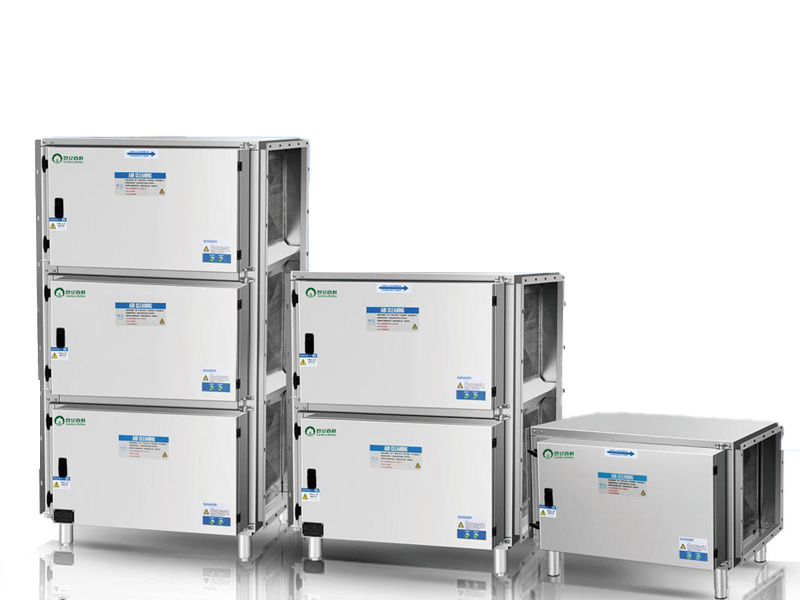
Dynamic fume purifiers represent a sophisticated approach to air quality management, particularly in environments where industrial processes generate significant amounts of airborne pollutants. These devices use advanced filtration and treatment technologies to dynamically respond to fluctuations in fume concentration, ensuring that the air remains as clean and safe as possible. The operation of d

Dynamic fume purifiers represent a sophisticated approach to air quality management, particularly in environments where industrial processes generate significant amounts of airborne pollutants. These devices use advanced filtration and treatment technologies to dynamically respond to fluctuations in fume concentration, ensuring that the air remains as clean and safe as possible.
The operation of dynamic fume purifiers typically involves several stages. Initially, these systems utilize mechanical filters to capture larger particulate matter, such as dust and debris. Following this, activated carbon or other chemical filters come into play, effectively adsorbing volatile organic compounds (VOCs) and other harmful gases. This multi-stage filtration process is critical, as it allows for the comprehensive treatment of mixed air streams, adapting to varying levels of contamination.
One of the standout features of dynamic fume purifiers is their ability to adjust operational parameters in real-time. Equipped with sensors and automated controls, these systems can detect changes in air quality and modify their filtration intensity accordingly. This adaptability not only enhances the effectiveness of air purification but also improves energy efficiency, as the system can reduce power consumption during periods of lower pollution levels.
Industries such as manufacturing, food processing, and pharmaceuticals greatly benefit from the deployment of dynamic fume purifiers. These sectors often produce complex emissions that can pose risks to both human health and equipment integrity. By effectively managing these emissions, dynamic fume purifiers play a crucial role in ensuring workplace safety and compliance with environmental regulations.
Another significant benefit of dynamic fume purifiers is their contribution to the broader sustainability goals of modern industries. By reducing the release of hazardous fumes into the atmosphere, organizations can minimize their ecological footprint and enhance their corporate social responsibility profile. This not only benefits the environment but also enhances the company's reputation among stakeholders.
Moreover, regular maintenance and monitoring are essential to ensure the optimal performance of dynamic fume purifiers. Businesses should establish a maintenance schedule that includes filter replacements and system checks to maximize efficiency and prolong the lifespan of the equipment.
In summary, dynamic fume purifiers are a vital component of modern air quality management strategies in industrial settings. Their ability to adapt to fluctuating emissions while delivering high-performance filtration makes them indispensable for ensuring safety, compliance, and sustainability. Investing in such technologies not only protects the health of employees but also aligns with global environmental standards, paving the way for a cleaner, safer industrial future.
More news



Hotline:+86 136 849 29821
Email:13684929821@139.com
Address:No. 6, Junzibubujun Industrial Road, Guanlan, Longhua New District, Shenzhen


