

-
AboutShenzhen Century Bailey Environmental Protection Technology Co., Ltd. (referred to as "Century Bailey") is located by the Guanlan Lake of the World Golf Village, adjacent to the Shanshui Tianyuan Tourism and Culture Park. It is a national high-tech enterprise and a specialized and new enterprise focusing on the research, development, production, and sales of catering industry oil fume purification products.
-
ProductShenzhen Century Bailey Environmental Protection Technology Co., Ltd. (referred to as "Century Bailey") is located by the Guanlan Lake of the World Golf Village, adjacent to the Shanshui Tianyuan Tourism and Culture Park. It is a national high-tech enterprise and a specialized and new enterprise focusing on the research, development, production, and sales of catering industry oil fume purification products.
-
Core AdvantagesShenzhen Century Bailey Environmental Protection Technology Co., Ltd. (referred to as "Century Bailey") is located by the Guanlan Lake of the World Golf Village, adjacent to the Shanshui Tianyuan Tourism and Culture Park. It is a national high-tech enterprise and a specialized and new enterprise focusing on the research, development, production, and sales of catering industry oil fume purification products.
-
CasesShenzhen Century Bailey Environmental Protection Technology Co., Ltd. (referred to as "Century Bailey") is located by the Guanlan Lake of the World Golf Village, adjacent to the Shanshui Tianyuan Tourism and Culture Park. It is a national high-tech enterprise and a specialized and new enterprise focusing on the research, development, production, and sales of catering industry oil fume purification products.
-
Customer serviceShenzhen Century Bailey Environmental Protection Technology Co., Ltd. (referred to as "Century Bailey") is located by the Guanlan Lake of the World Golf Village, adjacent to the Shanshui Tianyuan Tourism and Culture Park. It is a national high-tech enterprise and a specialized and new enterprise focusing on the research, development, production, and sales of catering industry oil fume purification products.
-
ContactShenzhen Century Bailey Environmental Protection Technology Co., Ltd. (referred to as "Century Bailey") is located by the Guanlan Lake of the World Golf Village, adjacent to the Shanshui Tianyuan Tourism and Culture Park. It is a national high-tech enterprise and a specialized and new enterprise focusing on the research, development, production, and sales of catering industry oil fume purification products.
Maximizing Air Quality: The Role of Combined Fume Purifiers in Industrial Applications
Release time:
2026-10-03
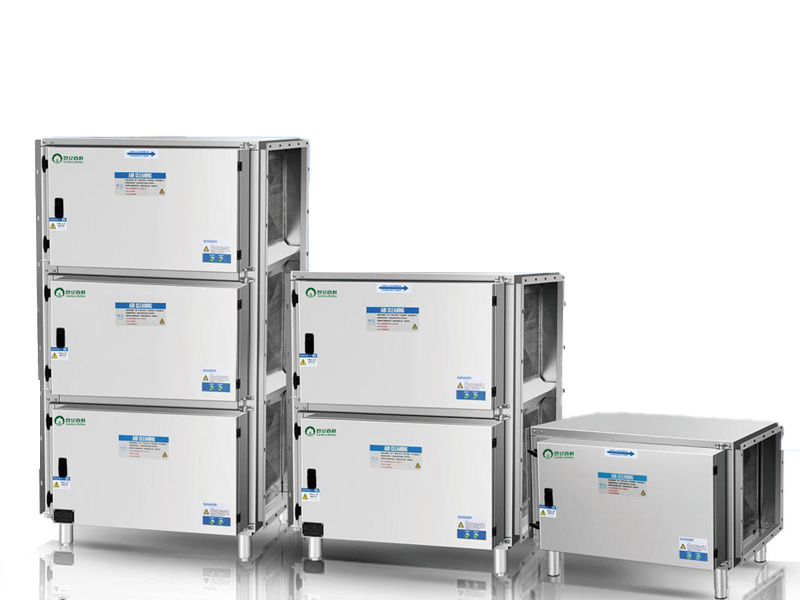
Combined fume purifiers are advanced air filtration systems specifically designed to tackle multiple pollutants generated during industrial processes. These purifiers effectively manage a variety of airborne contaminants, including volatile organic compounds (VOCs), particulate matter, and odors, which are often byproducts of manufacturing processes, particularly in industries such as food process

Combined fume purifiers are advanced air filtration systems specifically designed to tackle multiple pollutants generated during industrial processes. These purifiers effectively manage a variety of airborne contaminants, including volatile organic compounds (VOCs), particulate matter, and odors, which are often byproducts of manufacturing processes, particularly in industries such as food processing, metalworking, and chemical production.
One of the primary advantages of using a combined fume purifier is its multifaceted approach to air quality management. Unlike traditional purifiers that may only target specific types of pollutants, combined systems integrate various filtration technologies to simultaneously remove a broad spectrum of contaminants. This includes pre-filters for larger particles, activated carbon filters for odors and VOCs, and HEPA filters for fine particulate matter. Such comprehensive filtration not only improves air quality but also enhances the safety and comfort of the work environment.
Furthermore, the efficiency of a combined fume purifier can lead to significant energy savings. By optimizing the filtration process and reducing the load on HVAC systems, businesses can lower their overall operational costs. Additionally, maintaining high air quality can lead to increased productivity among employees, as clean air has been shown to improve concentration and reduce fatigue.
Regular maintenance and monitoring of combined fume purifiers are essential to ensure their effectiveness. This includes routine checks of filter conditions, airflow rates, and overall system performance. Depending on the specific application and the volume of contaminants, the frequency of maintenance can vary. However, establishing a preventive maintenance schedule can help avoid unexpected downtime and ensure that the system operates at peak efficiency.
In conclusion, combined fume purifiers serve a vital role in industrial air quality management. Their ability to address multiple pollutants simultaneously makes them an invaluable asset for businesses looking to enhance workplace safety and efficiency. By investing in a reliable combined fume purifier and committing to regular maintenance, companies can create a healthier environment for their employees while also complying with regulatory standards. As industries continue to prioritize sustainability and employee health, the adoption of advanced air purification technologies will likely become an integral part of operational strategies.
More news



Hotline:+86 136 849 29821
Email:13684929821@139.com
Address:No. 6, Junzibubujun Industrial Road, Guanlan, Longhua New District, Shenzhen


