

-
AboutShenzhen Century Bailey Environmental Protection Technology Co., Ltd. (referred to as "Century Bailey") is located by the Guanlan Lake of the World Golf Village, adjacent to the Shanshui Tianyuan Tourism and Culture Park. It is a national high-tech enterprise and a specialized and new enterprise focusing on the research, development, production, and sales of catering industry oil fume purification products.

-
ProductShenzhen Century Bailey Environmental Protection Technology Co., Ltd. (referred to as "Century Bailey") is located by the Guanlan Lake of the World Golf Village, adjacent to the Shanshui Tianyuan Tourism and Culture Park. It is a national high-tech enterprise and a specialized and new enterprise focusing on the research, development, production, and sales of catering industry oil fume purification products.
-
Core AdvantagesShenzhen Century Bailey Environmental Protection Technology Co., Ltd. (referred to as "Century Bailey") is located by the Guanlan Lake of the World Golf Village, adjacent to the Shanshui Tianyuan Tourism and Culture Park. It is a national high-tech enterprise and a specialized and new enterprise focusing on the research, development, production, and sales of catering industry oil fume purification products.
-
CasesShenzhen Century Bailey Environmental Protection Technology Co., Ltd. (referred to as "Century Bailey") is located by the Guanlan Lake of the World Golf Village, adjacent to the Shanshui Tianyuan Tourism and Culture Park. It is a national high-tech enterprise and a specialized and new enterprise focusing on the research, development, production, and sales of catering industry oil fume purification products.
-
Customer serviceShenzhen Century Bailey Environmental Protection Technology Co., Ltd. (referred to as "Century Bailey") is located by the Guanlan Lake of the World Golf Village, adjacent to the Shanshui Tianyuan Tourism and Culture Park. It is a national high-tech enterprise and a specialized and new enterprise focusing on the research, development, production, and sales of catering industry oil fume purification products.
-
ContactShenzhen Century Bailey Environmental Protection Technology Co., Ltd. (referred to as "Century Bailey") is located by the Guanlan Lake of the World Golf Village, adjacent to the Shanshui Tianyuan Tourism and Culture Park. It is a national high-tech enterprise and a specialized and new enterprise focusing on the research, development, production, and sales of catering industry oil fume purification products.

Understanding the Mechanism of Dynamic Fume Purifiers in Air Treatment
Release time:
2026-09-24
Understanding the Mechanism of Dynamic Fume Purifiers in Air Treatment Table of Contents 1. Introduction to Dynamic Fume Purifiers 2. How Dynamic Fume Purifiers Work: A Detailed Overview 3. Advantages of Using Dynamic Fume Purifiers in Air Treatment 4. Applications of Dynamic Fume Purifiers in Various Industries 5. Maintenance Tips for Ensuring Optimal Performance 6. C

Understanding the Mechanism of Dynamic Fume Purifiers in Air Treatment
Table of Contents
- 1. Introduction to Dynamic Fume Purifiers
- 2. How Dynamic Fume Purifiers Work: A Detailed Overview
- 3. Advantages of Using Dynamic Fume Purifiers in Air Treatment
- 4. Applications of Dynamic Fume Purifiers in Various Industries
- 5. Maintenance Tips for Ensuring Optimal Performance
- 6. Common Issues and Troubleshooting Dynamic Fume Purifiers
- 7. Environmental Impact of Dynamic Fume Purifiers
- 8. Future Developments in Air Treatment Technologies
- 9. Conclusion
- 10. Frequently Asked Questions (FAQs)
1. Introduction to Dynamic Fume Purifiers
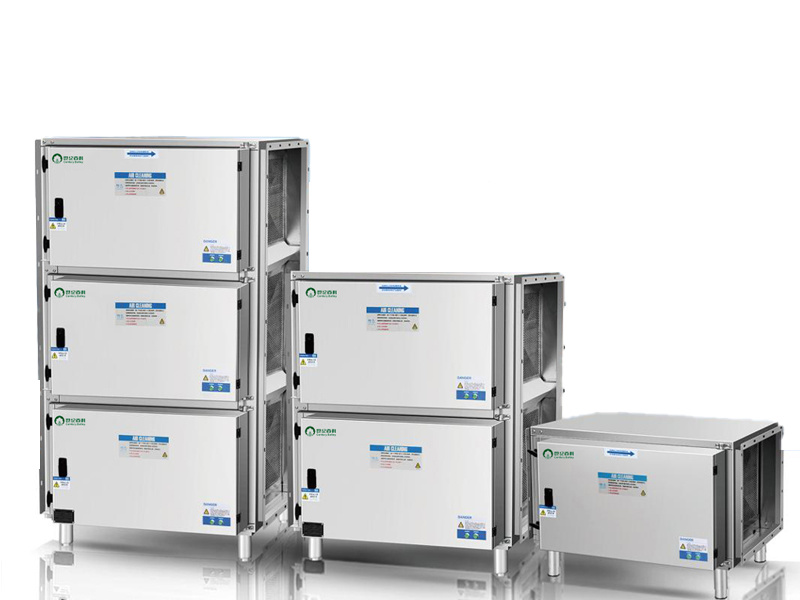
Dynamic fume purifiers play an essential role in modern air treatment systems, especially in industrial environments where volatile organic compounds (VOCs) and smoke are prevalent. These devices are engineered to effectively eliminate harmful airborne particles, ensuring a healthier work environment. In this article, we will explore the complex mechanisms of dynamic fume purifiers, their benefits, applications, and maintenance practices.
2. How Dynamic Fume Purifiers Work: A Detailed Overview
Dynamic fume purifiers utilize a combination of physical and chemical processes to filter and clean the air. Here’s a breakdown of their working mechanism:
2.1 Air Intake and Filtration Process
Initially, contaminated air is drawn into the purifier through a fan or blower. The air passes through a series of filters designed to capture larger particles, such as dust and soot.
2.2 Chemical Absorption
After the initial filtration, the air enters a chamber where chemical absorbents are employed. These absorbents are specifically selected based on the types of contaminants present. For instance, activated carbon is often used to remove VOCs, while other specialized materials can target specific odors and gases.
2.3 Ionization Process
One of the unique features of dynamic fume purifiers is their ionization process. This involves electrically charging the airborne particles, causing them to clump together. As a result, these larger clusters can be more easily trapped by the filters, enhancing the overall efficiency of the purification process.
2.4 Exhaust of Clean Air
Finally, the purified air is released back into the environment. This process not only ensures cleaner air but also optimizes ventilation systems in industrial facilities, leading to better energy efficiency.
3. Advantages of Using Dynamic Fume Purifiers in Air Treatment
Understanding the benefits of dynamic fume purifiers is crucial for industries aiming to maintain air quality and comply with regulations. Here are some standout advantages:
3.1 Enhanced Air Quality
Dynamic fume purifiers effectively reduce airborne contaminants, resulting in improved air quality that promotes better health for workers and residents alike.
3.2 Compliance with Regulations
Many industries are subject to strict environmental regulations. Utilizing dynamic fume purifiers helps companies meet compliance standards, avoiding potential fines and legal issues.
3.3 Cost-Effective Solution
While the initial investment may seem significant, dynamic fume purifiers can lead to substantial cost savings in the long run through reduced energy consumption and lower healthcare costs associated with poor air quality.
3.4 Versatility
These purifiers can be customized to meet the specific needs of different industries, whether in food processing, pharmaceuticals, or automotive manufacturing.
4. Applications of Dynamic Fume Purifiers in Various Industries
Dynamic fume purifiers are employed across numerous sectors due to their adaptability. Here are some key applications:
4.1 Food Processing Industry
In food processing, maintaining a clean environment is vital. Dynamic fume purifiers help remove grease, smoke, and odors that could compromise food safety.
4.2 Pharmaceutical Manufacturing
Pharmaceutical companies rely on these purifiers to create sterile environments, ensuring that no harmful particulates interfere with drug production.
4.3 Automotive Industry
Automotive manufacturing processes often release harmful fumes. Dynamic fume purifiers capture these emissions, protecting workers and ensuring compliance with environmental standards.
4.4 Chemical Processing
In chemical plants, volatile substances are common. Dynamic fume purifiers are essential in mitigating the risks associated with these emissions.
5. Maintenance Tips for Ensuring Optimal Performance
To keep dynamic fume purifiers functioning at their best, regular maintenance is crucial. Here are some tips:
5.1 Regular Filter Replacement
Filters should be replaced according to the manufacturer’s recommendations. Clogged filters can significantly reduce efficiency.
5.2 Routine Cleaning
The external components of the purifier should be cleaned regularly to prevent dust accumulation that could hinder performance.
5.3 System Checks
Perform routine checks on the electrical components and fans to ensure they are operating correctly and efficiently.
6. Common Issues and Troubleshooting Dynamic Fume Purifiers
While dynamic fume purifiers are generally reliable, users may encounter some common issues:
6.1 Insufficient Airflow
If the purifier is not drawing in enough air, check for blockages in the intake vents or ensure the fans are functioning properly.
6.2 Unpleasant Odors
Persistent odors may indicate that the filters need replacing or that the absorbents are saturated. Regular checks are necessary to address these issues promptly.
6.3 Noise Levels
Increased noise can signal mechanical issues. Inspect the fans and other moving parts for wear and tear.
7. Environmental Impact of Dynamic Fume Purifiers
Dynamic fume purifiers contribute positively to environmental sustainability. By effectively removing harmful emissions, these systems aid in reducing overall air pollution, thus supporting public health initiatives and environmental conservation efforts.
8. Future Developments in Air Treatment Technologies
As technology advances, so too will dynamic fume purifiers. Innovations may include:
8.1 Integration with Smart Technologies
Future models may incorporate IoT-enabled sensors for real-time monitoring, allowing for proactive maintenance and efficiency optimization.
8.2 Enhanced Filtration Methods
Developing advanced materials that can capture a broader range of contaminants may lead to even higher purification rates.
9. Conclusion
Understanding the mechanism of dynamic fume purifiers is essential for industries focused on maintaining air quality. Their ability to efficiently filter and purify air makes them indispensable tools in various sectors. By investing in these systems and adhering to maintenance best practices, businesses can ensure a healthier environment for their employees and comply with necessary regulations. As technology continues to evolve, the future looks promising for air treatment solutions, enhancing both air quality and environmental responsibility.
10. Frequently Asked Questions (FAQs)
10.1 What types of contaminants can dynamic fume purifiers remove?
Dynamic fume purifiers are designed to eliminate a wide range of contaminants, including VOCs, smoke, odors, and particulate matter.
10.2 How often should filters be replaced in dynamic fume purifiers?
Filter replacement frequency depends on usage and manufacturer guidelines. Typically, filters should be checked and replaced every 1-3 months.
10.3 Can dynamic fume purifiers be used in residential settings?
While primarily used in industrial settings, smaller models are available for residential applications, particularly in areas with high levels of pollution or cooking odors.
10.4 What maintenance is required for dynamic fume purifiers?
Routine maintenance includes checking and replacing filters, cleaning external surfaces, and inspecting mechanical components.
10.5 Are dynamic fume purifiers environmentally friendly?
Yes, by reducing harmful emissions and improving air quality, dynamic fume purifiers have a positive environmental impact.
More news



Hotline:+86 136 849 29821
Email:13684929821@139.com
Address:No. 6, Junzibubujun Industrial Road, Guanlan, Longhua New District, Shenzhen


