

-
AboutShenzhen Century Bailey Environmental Protection Technology Co., Ltd. (referred to as "Century Bailey") is located by the Guanlan Lake of the World Golf Village, adjacent to the Shanshui Tianyuan Tourism and Culture Park. It is a national high-tech enterprise and a specialized and new enterprise focusing on the research, development, production, and sales of catering industry oil fume purification products.

-
ProductShenzhen Century Bailey Environmental Protection Technology Co., Ltd. (referred to as "Century Bailey") is located by the Guanlan Lake of the World Golf Village, adjacent to the Shanshui Tianyuan Tourism and Culture Park. It is a national high-tech enterprise and a specialized and new enterprise focusing on the research, development, production, and sales of catering industry oil fume purification products.
-
Core AdvantagesShenzhen Century Bailey Environmental Protection Technology Co., Ltd. (referred to as "Century Bailey") is located by the Guanlan Lake of the World Golf Village, adjacent to the Shanshui Tianyuan Tourism and Culture Park. It is a national high-tech enterprise and a specialized and new enterprise focusing on the research, development, production, and sales of catering industry oil fume purification products.
-
CasesShenzhen Century Bailey Environmental Protection Technology Co., Ltd. (referred to as "Century Bailey") is located by the Guanlan Lake of the World Golf Village, adjacent to the Shanshui Tianyuan Tourism and Culture Park. It is a national high-tech enterprise and a specialized and new enterprise focusing on the research, development, production, and sales of catering industry oil fume purification products.
-
Customer serviceShenzhen Century Bailey Environmental Protection Technology Co., Ltd. (referred to as "Century Bailey") is located by the Guanlan Lake of the World Golf Village, adjacent to the Shanshui Tianyuan Tourism and Culture Park. It is a national high-tech enterprise and a specialized and new enterprise focusing on the research, development, production, and sales of catering industry oil fume purification products.
-
ContactShenzhen Century Bailey Environmental Protection Technology Co., Ltd. (referred to as "Century Bailey") is located by the Guanlan Lake of the World Golf Village, adjacent to the Shanshui Tianyuan Tourism and Culture Park. It is a national high-tech enterprise and a specialized and new enterprise focusing on the research, development, production, and sales of catering industry oil fume purification products.
Understanding Low-Altitude Direct Exhaust Fume Purifiers: A Comprehensive Guide
Release time:
2026-09-21
In today’s industrial landscape, the management of exhaust emissions is a critical concern, especially in environments where air quality directly impacts worker health and safety. Low-altitude direct exhaust fume purifiers are specifically designed to address these challenges by effectively capturing and neutralizing harmful pollutants emitted from industrial processes. These purifiers operate at

In today’s industrial landscape, the management of exhaust emissions is a critical concern, especially in environments where air quality directly impacts worker health and safety. Low-altitude direct exhaust fume purifiers are specifically designed to address these challenges by effectively capturing and neutralizing harmful pollutants emitted from industrial processes.
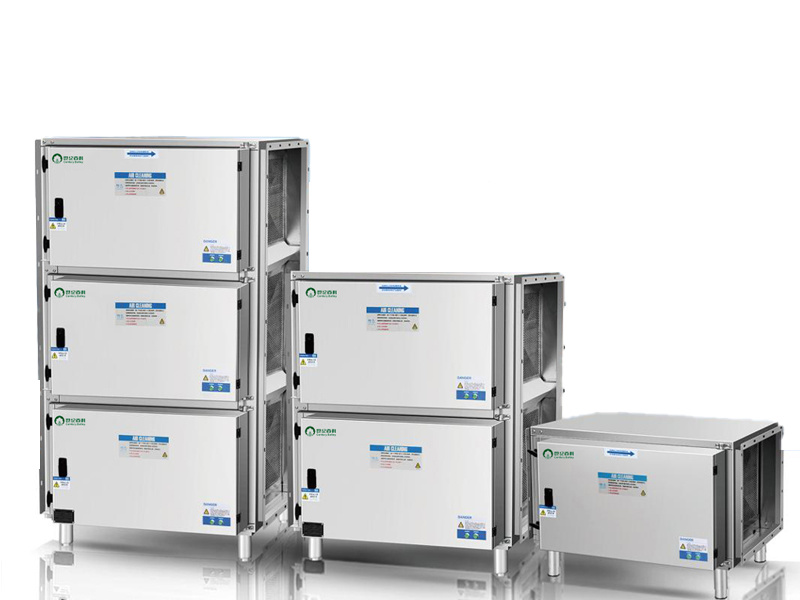
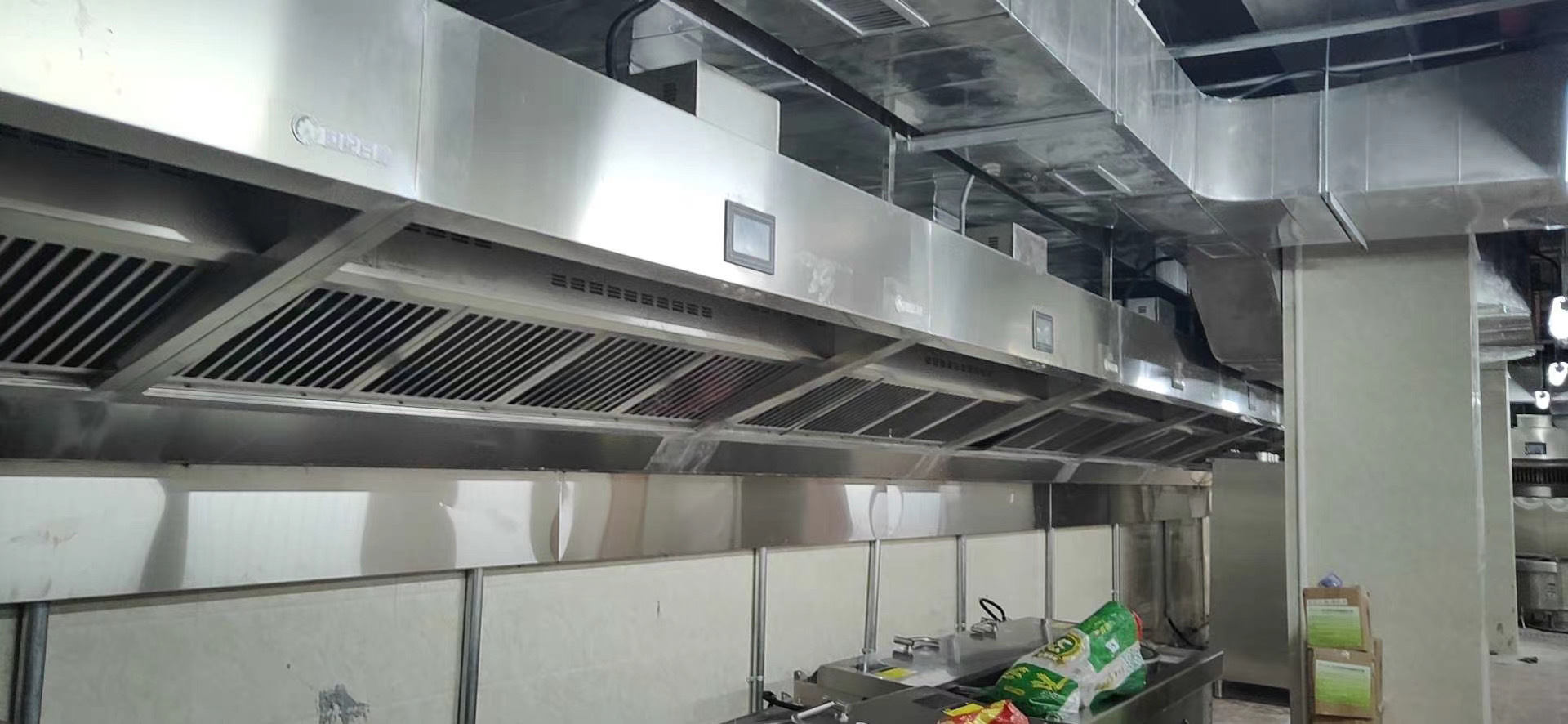
These purifiers operate at lower exhaust points, allowing them to engage with fumes before they disperse into the atmosphere. This strategic positioning enhances their efficiency in filtering out particulate matter, volatile organic compounds (VOCs), and other hazardous emissions. By employing advanced filtration technologies, such as electrostatic precipitators or activated carbon filters, these devices can significantly reduce the concentration of harmful substances in the air.
One of the key advantages of low-altitude direct exhaust fume purifiers is their ability to operate continuously without the need for complex ductwork or external exhaust systems. This feature not only simplifies installation but also minimizes maintenance costs and operational downtime. As industries strive to comply with increasingly stringent environmental regulations, the adoption of these purifiers can be a proactive step towards sustainable manufacturing practices.
The effectiveness of these devices is further enhanced by their integration with real-time monitoring systems. These systems allow facility managers to track the performance of the fume purifiers, ensuring they operate within optimal parameters. By providing valuable data on emission levels and filter conditions, operators can make informed decisions regarding maintenance schedules and operational adjustments.
Moreover, low-altitude direct exhaust fume purifiers contribute to a safer working environment by reducing the likelihood of airborne contaminants that can lead to health issues among employees. By decreasing exposure to hazardous fumes, these purifiers not only protect worker health but also help companies maintain productivity and reduce absenteeism.
In conclusion, low-altitude direct exhaust fume purifiers represent a vital component in the landscape of industrial air quality management. Their innovative design, coupled with advanced filtration technologies, makes them an indispensable tool for any business looking to enhance air quality, ensure regulatory compliance, and promote a healthier workplace. As industries continue to evolve, the demand for effective air purification solutions will only grow, making these devices a sound investment for the future.
These purifiers operate at lower exhaust points, allowing them to engage with fumes before they disperse into the atmosphere. This strategic positioning enhances their efficiency in filtering out particulate matter, volatile organic compounds (VOCs), and other hazardous emissions. By employing advanced filtration technologies, such as electrostatic precipitators or activated carbon filters, these devices can significantly reduce the concentration of harmful substances in the air.
One of the key advantages of low-altitude direct exhaust fume purifiers is their ability to operate continuously without the need for complex ductwork or external exhaust systems. This feature not only simplifies installation but also minimizes maintenance costs and operational downtime. As industries strive to comply with increasingly stringent environmental regulations, the adoption of these purifiers can be a proactive step towards sustainable manufacturing practices.
The effectiveness of these devices is further enhanced by their integration with real-time monitoring systems. These systems allow facility managers to track the performance of the fume purifiers, ensuring they operate within optimal parameters. By providing valuable data on emission levels and filter conditions, operators can make informed decisions regarding maintenance schedules and operational adjustments.
Moreover, low-altitude direct exhaust fume purifiers contribute to a safer working environment by reducing the likelihood of airborne contaminants that can lead to health issues among employees. By decreasing exposure to hazardous fumes, these purifiers not only protect worker health but also help companies maintain productivity and reduce absenteeism.
In conclusion, low-altitude direct exhaust fume purifiers represent a vital component in the landscape of industrial air quality management. Their innovative design, coupled with advanced filtration technologies, makes them an indispensable tool for any business looking to enhance air quality, ensure regulatory compliance, and promote a healthier workplace. As industries continue to evolve, the demand for effective air purification solutions will only grow, making these devices a sound investment for the future.
More news


Hotline:+86 136 849 29821
Email:13684929821@139.com
Address:No. 6, Junzibubujun Industrial Road, Guanlan, Longhua New District, Shenzhen


