

-
AboutShenzhen Century Bailey Environmental Protection Technology Co., Ltd. (referred to as "Century Bailey") is located by the Guanlan Lake of the World Golf Village, adjacent to the Shanshui Tianyuan Tourism and Culture Park. It is a national high-tech enterprise and a specialized and new enterprise focusing on the research, development, production, and sales of catering industry oil fume purification products.
-
ProductShenzhen Century Bailey Environmental Protection Technology Co., Ltd. (referred to as "Century Bailey") is located by the Guanlan Lake of the World Golf Village, adjacent to the Shanshui Tianyuan Tourism and Culture Park. It is a national high-tech enterprise and a specialized and new enterprise focusing on the research, development, production, and sales of catering industry oil fume purification products.
-
Core AdvantagesShenzhen Century Bailey Environmental Protection Technology Co., Ltd. (referred to as "Century Bailey") is located by the Guanlan Lake of the World Golf Village, adjacent to the Shanshui Tianyuan Tourism and Culture Park. It is a national high-tech enterprise and a specialized and new enterprise focusing on the research, development, production, and sales of catering industry oil fume purification products.
-
CasesShenzhen Century Bailey Environmental Protection Technology Co., Ltd. (referred to as "Century Bailey") is located by the Guanlan Lake of the World Golf Village, adjacent to the Shanshui Tianyuan Tourism and Culture Park. It is a national high-tech enterprise and a specialized and new enterprise focusing on the research, development, production, and sales of catering industry oil fume purification products.
-
Customer serviceShenzhen Century Bailey Environmental Protection Technology Co., Ltd. (referred to as "Century Bailey") is located by the Guanlan Lake of the World Golf Village, adjacent to the Shanshui Tianyuan Tourism and Culture Park. It is a national high-tech enterprise and a specialized and new enterprise focusing on the research, development, production, and sales of catering industry oil fume purification products.
-
ContactShenzhen Century Bailey Environmental Protection Technology Co., Ltd. (referred to as "Century Bailey") is located by the Guanlan Lake of the World Golf Village, adjacent to the Shanshui Tianyuan Tourism and Culture Park. It is a national high-tech enterprise and a specialized and new enterprise focusing on the research, development, production, and sales of catering industry oil fume purification products.
Top 5 Industries That Benefit from Combined Fume Purifiers
Release time:
2026-09-18
Top 5 Industries That Benefit from Combined Fume Purifiers In today’s industrial landscape, air quality has become a critical concern. With the rise of environmental regulations and increasing awareness about health impacts, industries are turning to innovative solutions like **combined fume purifiers**. These advanced devices not only improve air quality but also enhance operational efficiency. T

Top 5 Industries That Benefit from Combined Fume Purifiers
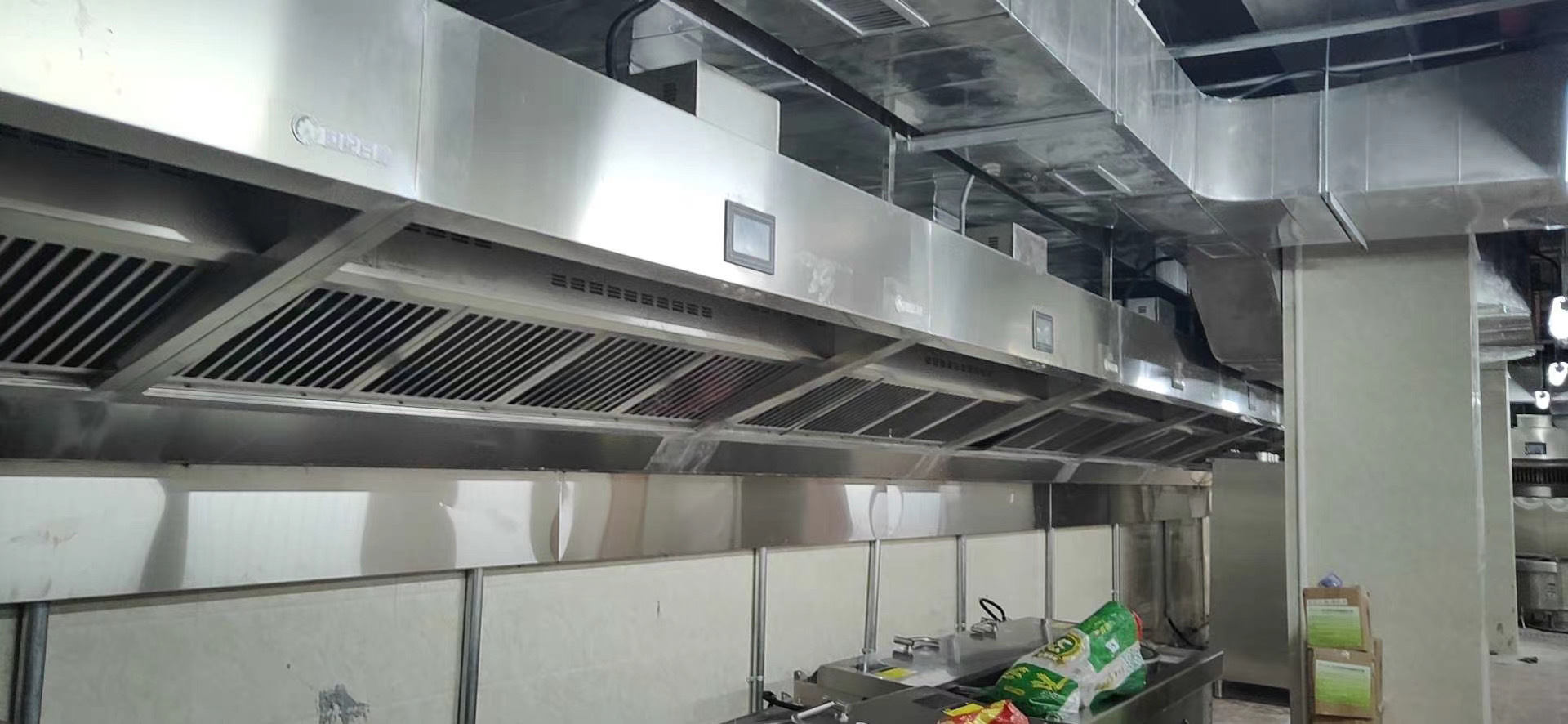
In today’s industrial landscape, air quality has become a critical concern. With the rise of environmental regulations and increasing awareness about health impacts, industries are turning to innovative solutions like **combined fume purifiers**. These advanced devices not only improve air quality but also enhance operational efficiency. This article delves into the top five industries that stand to gain significantly from the implementation of combined fume purifiers.
Understanding Combined Fume Purifiers
Combined fume purifiers are specialized systems designed to eliminate harmful contaminants from industrial emissions. By integrating various filtration and purification technologies, these devices effectively remove particulate matter, gases, and odors from the air. The versatility of combined fume purifiers makes them suitable for a wide range of applications.
How Combined Fume Purifiers Work
The operation of combined fume purifiers involves multiple stages of filtration. Initially, large particles are trapped through mechanical filters. Following this, activated carbon filters adsorb volatile organic compounds (VOCs) and undesirable odors. In some systems, electrostatic precipitators may be employed to charge and remove finer particulate matter. This multi-stage process ensures that the air returned to the environment is clean and safe.
1. Manufacturing Industry
The manufacturing sector is one of the primary industries that benefit from combined fume purifiers. As factories often generate a variety of pollutants, including dust, smoke, and chemical fumes, maintaining air quality is paramount.
Enhancing Worker Safety and Productivity
By implementing combined fume purifiers, manufacturers can create a safer working environment. Cleaner air reduces the health risks associated with respiratory issues, thereby improving employee morale and productivity. Furthermore, better air quality can minimize downtime caused by health-related absences.
Compliance with Regulations
With stringent emissions regulations in place, manufacturers must ensure compliance to avoid penalties. Combined fume purifiers not only help meet these standards but also enhance the overall sustainability of manufacturing processes.
2. Food Processing Industry
The food processing industry has unique challenges when it comes to air quality. **Combined fume purifiers** play a crucial role in controlling odors and ensuring hygienic conditions.
Ensuring Product Quality
In food processing, maintaining product quality is essential. Contaminated air can lead to spoilage and food safety issues. By utilizing combined fume purifiers, companies can effectively remove contaminants, thus safeguarding the integrity of their products.
Odor Control in Food Production
The food processing industry often battles strong odors from various processes. Combined fume purifiers effectively reduce these odors, creating a more pleasant environment for both workers and nearby communities.
3. Automotive Industry
The automotive sector is another significant beneficiary of combined fume purifiers. With processes that involve painting, welding, and assembly, the generation of harmful fumes is common.
Improving Air Quality in Production Facilities
In automotive manufacturing, the presence of volatile organic compounds (VOCs) is a major concern. Combined fume purifiers effectively capture these emissions, leading to improved air quality and compliance with environmental regulations.
Protecting Equipment and Workers
By reducing airborne contaminants, combined fume purifiers also protect sensitive machinery from corrosion and degradation. Additionally, cleaner air contributes to a healthier workforce, reducing the likelihood of work-related illnesses.
4. Pharmaceuticals Industry
The pharmaceuticals industry is highly regulated and requires stringent measures for air quality control. Combined fume purifiers are essential in ensuring compliance with environmental and health standards.
Maintaining Sterile Environments
In pharmaceutical manufacturing, contamination can compromise product integrity. Combined fume purifiers help maintain sterile environments by effectively removing airborne pollutants, ensuring that products are manufactured under safe conditions.
Enhancing Research and Development
In research labs, air quality can significantly impact outcomes. By investing in advanced fume purification systems, pharmaceutical companies can create optimal conditions for R&D, resulting in better innovations and more effective medications.
5. Chemical Industry
The chemical industry generates a wide range of hazardous fumes and vapors. Combined fume purifiers are vital for mitigating the risks associated with these emissions.
Protecting Against Hazardous Emissions
In chemical manufacturing, the release of harmful emissions can pose serious health risks. Combined fume purifiers help capture and neutralize these emissions, ensuring a safer work environment.
Compliance with Environmental Regulations
The chemical industry faces strict regulations regarding emissions. By utilizing combined fume purifiers, companies can ensure compliance, ultimately avoiding costly fines and improving their corporate image.
Benefits of Implementing Combined Fume Purifiers
The advantages of combined fume purifiers extend beyond compliance and safety. They offer several key benefits that can enhance operational efficiency across various industries.
Cost Savings Over Time
Though the initial investment in combined fume purifiers may seem significant, the long-term savings can be substantial. By preventing health-related absences and reducing the risk of regulatory penalties, companies can save money.
Improved Employee Morale
Providing a safe and clean working environment fosters employee satisfaction. When workers feel protected from harmful pollutants, their morale and productivity are likely to increase.
Enhanced Company Reputation
Companies that prioritize air quality demonstrate a commitment to environmental responsibility. This can bolster a company's reputation, attracting customers and business partners who value sustainability.
FAQs About Combined Fume Purifiers
1. What are combined fume purifiers?
Combined fume purifiers are advanced air filtration systems designed to remove harmful pollutants, including particulate matter, gases, and odors, from industrial emissions.
2. How do combined fume purifiers work?
These purifiers utilize a multi-stage filtration process that may include mechanical filters, activated carbon filters, and electrostatic precipitators to capture and neutralize various contaminants.
3. Which industries benefit the most from combined fume purifiers?
The manufacturing, food processing, automotive, pharmaceuticals, and chemical industries are among the top sectors that benefit from these advanced purification systems.
4. Are combined fume purifiers necessary for compliance with regulations?
Yes, many industries are subject to strict emissions regulations, and combined fume purifiers are essential for ensuring compliance and avoiding penalties.
5. What are the long-term benefits of using combined fume purifiers?
The long-term benefits include cost savings, improved employee morale, enhanced company reputation, and reduced health risks associated with poor air quality.
Conclusion
The implementation of combined fume purifiers across various industries is not just a trend; it is a necessary step towards ensuring a healthier and more sustainable working environment. From manufacturing to pharmaceuticals, these systems provide essential benefits that enhance both employee well-being and operational efficiency. By investing in combined fume purifiers, industries can improve air quality, comply with regulations, and foster a culture of safety and sustainability. As air quality continues to be a pressing concern, the importance of these advanced purification systems will only grow, shaping the future of industrial operations.
More news



Hotline:+86 136 849 29821
Email:13684929821@139.com
Address:No. 6, Junzibubujun Industrial Road, Guanlan, Longhua New District, Shenzhen


