

-
AboutShenzhen Century Bailey Environmental Protection Technology Co., Ltd. (referred to as "Century Bailey") is located by the Guanlan Lake of the World Golf Village, adjacent to the Shanshui Tianyuan Tourism and Culture Park. It is a national high-tech enterprise and a specialized and new enterprise focusing on the research, development, production, and sales of catering industry oil fume purification products.

-
ProductShenzhen Century Bailey Environmental Protection Technology Co., Ltd. (referred to as "Century Bailey") is located by the Guanlan Lake of the World Golf Village, adjacent to the Shanshui Tianyuan Tourism and Culture Park. It is a national high-tech enterprise and a specialized and new enterprise focusing on the research, development, production, and sales of catering industry oil fume purification products.
-
Core AdvantagesShenzhen Century Bailey Environmental Protection Technology Co., Ltd. (referred to as "Century Bailey") is located by the Guanlan Lake of the World Golf Village, adjacent to the Shanshui Tianyuan Tourism and Culture Park. It is a national high-tech enterprise and a specialized and new enterprise focusing on the research, development, production, and sales of catering industry oil fume purification products.
-
CasesShenzhen Century Bailey Environmental Protection Technology Co., Ltd. (referred to as "Century Bailey") is located by the Guanlan Lake of the World Golf Village, adjacent to the Shanshui Tianyuan Tourism and Culture Park. It is a national high-tech enterprise and a specialized and new enterprise focusing on the research, development, production, and sales of catering industry oil fume purification products.
-
Customer serviceShenzhen Century Bailey Environmental Protection Technology Co., Ltd. (referred to as "Century Bailey") is located by the Guanlan Lake of the World Golf Village, adjacent to the Shanshui Tianyuan Tourism and Culture Park. It is a national high-tech enterprise and a specialized and new enterprise focusing on the research, development, production, and sales of catering industry oil fume purification products.
-
ContactShenzhen Century Bailey Environmental Protection Technology Co., Ltd. (referred to as "Century Bailey") is located by the Guanlan Lake of the World Golf Village, adjacent to the Shanshui Tianyuan Tourism and Culture Park. It is a national high-tech enterprise and a specialized and new enterprise focusing on the research, development, production, and sales of catering industry oil fume purification products.
Understanding Combined Fume Purifiers: Innovations in Air Quality Management
Release time:
2026-09-03
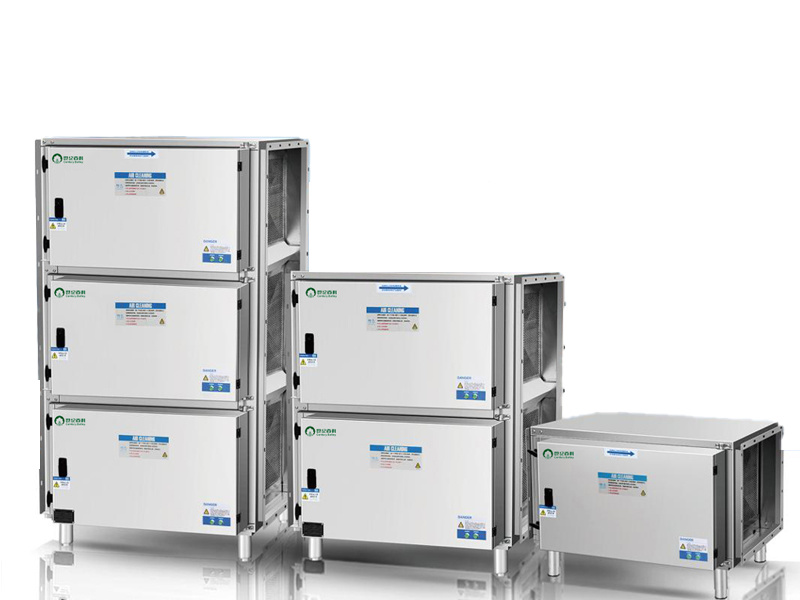
Combined fume purifiers are essential devices in the realm of air purification, particularly in industrial settings where hazardous fumes and particulate matter are prevalent. These systems are designed to tackle a variety of contaminants, including smoke, oil mist, and volatile organic compounds (VOCs), ensuring that air quality is maintained at safe levels for both workers and the environment. A

Combined fume purifiers are essential devices in the realm of air purification, particularly in industrial settings where hazardous fumes and particulate matter are prevalent. These systems are designed to tackle a variety of contaminants, including smoke, oil mist, and volatile organic compounds (VOCs), ensuring that air quality is maintained at safe levels for both workers and the environment.
At the heart of a combined fume purifier is the integration of multiple filtration technologies. Typically, these devices employ a combination of electrostatic precipitators, activated carbon filters, and HEPA (High-Efficiency Particulate Air) filters. This multi-layered approach allows them to capture a broad spectrum of pollutants, ranging from larger particles to microscopic pollutants that can be harmful when inhaled.
The effectiveness of combined fume purifiers hinges on their ability to adapt to different types of pollutants. For instance, in environments that involve heavy oil mist, the electrostatic precipitator component plays a crucial role in effectively charging and removing these particles from the air. Meanwhile, activated carbon filters are particularly effective at adsorbing VOCs and odors, making them a vital component in scenarios where chemical emissions are a concern.
Moreover, combined fume purifiers are designed for versatility in application. They can be employed in various industries, including manufacturing, automotive, and food processing, where the generation of fumes is common. Their ability to provide real-time air quality monitoring further enhances their utility, allowing businesses to respond promptly to any fluctuations in air quality.
Another significant advantage of these purifiers is their contribution to compliance with environmental regulations. Many industries are subject to strict standards regarding emissions and air quality. By implementing combined fume purifiers, businesses can not only protect their workforce but also adhere to these regulations, potentially avoiding costly fines and improving their overall sustainability.
In terms of maintenance, combined fume purifiers are designed for efficiency and ease of use. Regular maintenance is essential to ensure optimal performance and longevity of the equipment. This typically involves cleaning or replacing filters, checking for any wear or damage, and ensuring that the system operates at peak efficiency.
In summary, combined fume purifiers represent a vital advancement in air quality management within industrial settings. By utilizing a combination of filtration methods, these devices effectively mitigate pollution, protect worker health, and ensure compliance with environmental standards. As industries continue to prioritize sustainability and worker safety, embracing innovations like combined fume purifiers will be crucial for creating cleaner, safer work environments.
At the heart of a combined fume purifier is the integration of multiple filtration technologies. Typically, these devices employ a combination of electrostatic precipitators, activated carbon filters, and HEPA (High-Efficiency Particulate Air) filters. This multi-layered approach allows them to capture a broad spectrum of pollutants, ranging from larger particles to microscopic pollutants that can be harmful when inhaled.
The effectiveness of combined fume purifiers hinges on their ability to adapt to different types of pollutants. For instance, in environments that involve heavy oil mist, the electrostatic precipitator component plays a crucial role in effectively charging and removing these particles from the air. Meanwhile, activated carbon filters are particularly effective at adsorbing VOCs and odors, making them a vital component in scenarios where chemical emissions are a concern.
Moreover, combined fume purifiers are designed for versatility in application. They can be employed in various industries, including manufacturing, automotive, and food processing, where the generation of fumes is common. Their ability to provide real-time air quality monitoring further enhances their utility, allowing businesses to respond promptly to any fluctuations in air quality.
Another significant advantage of these purifiers is their contribution to compliance with environmental regulations. Many industries are subject to strict standards regarding emissions and air quality. By implementing combined fume purifiers, businesses can not only protect their workforce but also adhere to these regulations, potentially avoiding costly fines and improving their overall sustainability.
In terms of maintenance, combined fume purifiers are designed for efficiency and ease of use. Regular maintenance is essential to ensure optimal performance and longevity of the equipment. This typically involves cleaning or replacing filters, checking for any wear or damage, and ensuring that the system operates at peak efficiency.
In summary, combined fume purifiers represent a vital advancement in air quality management within industrial settings. By utilizing a combination of filtration methods, these devices effectively mitigate pollution, protect worker health, and ensure compliance with environmental standards. As industries continue to prioritize sustainability and worker safety, embracing innovations like combined fume purifiers will be crucial for creating cleaner, safer work environments.
More news



Hotline:+86 136 849 29821
Email:13684929821@139.com
Address:No. 6, Junzibubujun Industrial Road, Guanlan, Longhua New District, Shenzhen


