

-
AboutShenzhen Century Bailey Environmental Protection Technology Co., Ltd. (referred to as "Century Bailey") is located by the Guanlan Lake of the World Golf Village, adjacent to the Shanshui Tianyuan Tourism and Culture Park. It is a national high-tech enterprise and a specialized and new enterprise focusing on the research, development, production, and sales of catering industry oil fume purification products.

-
ProductShenzhen Century Bailey Environmental Protection Technology Co., Ltd. (referred to as "Century Bailey") is located by the Guanlan Lake of the World Golf Village, adjacent to the Shanshui Tianyuan Tourism and Culture Park. It is a national high-tech enterprise and a specialized and new enterprise focusing on the research, development, production, and sales of catering industry oil fume purification products.
-
Core AdvantagesShenzhen Century Bailey Environmental Protection Technology Co., Ltd. (referred to as "Century Bailey") is located by the Guanlan Lake of the World Golf Village, adjacent to the Shanshui Tianyuan Tourism and Culture Park. It is a national high-tech enterprise and a specialized and new enterprise focusing on the research, development, production, and sales of catering industry oil fume purification products.
-
CasesShenzhen Century Bailey Environmental Protection Technology Co., Ltd. (referred to as "Century Bailey") is located by the Guanlan Lake of the World Golf Village, adjacent to the Shanshui Tianyuan Tourism and Culture Park. It is a national high-tech enterprise and a specialized and new enterprise focusing on the research, development, production, and sales of catering industry oil fume purification products.
-
Customer serviceShenzhen Century Bailey Environmental Protection Technology Co., Ltd. (referred to as "Century Bailey") is located by the Guanlan Lake of the World Golf Village, adjacent to the Shanshui Tianyuan Tourism and Culture Park. It is a national high-tech enterprise and a specialized and new enterprise focusing on the research, development, production, and sales of catering industry oil fume purification products.
-
ContactShenzhen Century Bailey Environmental Protection Technology Co., Ltd. (referred to as "Century Bailey") is located by the Guanlan Lake of the World Golf Village, adjacent to the Shanshui Tianyuan Tourism and Culture Park. It is a national high-tech enterprise and a specialized and new enterprise focusing on the research, development, production, and sales of catering industry oil fume purification products.

Key Advantages of Implementing Dynamic Fume Purifiers in Your Operations
Release time:
2026-08-25
Key Advantages of Implementing Dynamic Fume Purifiers in Your Operations In today's industrial landscape, operating under stringent environmental regulations is not just a necessity but a responsibility. As industries evolve, so too do the technologies that ensure a safer and cleaner working environment. One such innovation is the dynamic fume purifier. These advanced systems are changing the way

Key Advantages of Implementing Dynamic Fume Purifiers in Your Operations
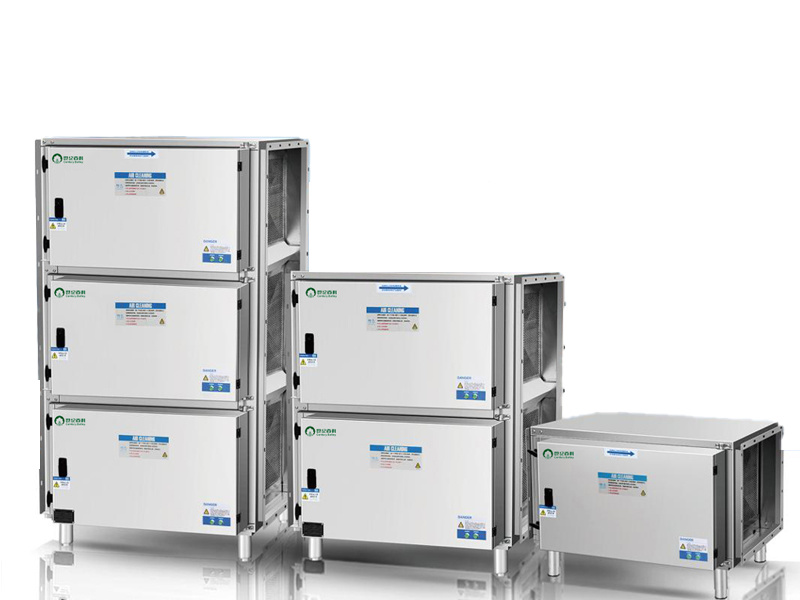
In today's industrial landscape, operating under stringent environmental regulations is not just a necessity but a responsibility. As industries evolve, so too do the technologies that ensure a safer and cleaner working environment. One such innovation is the dynamic fume purifier. These advanced systems are changing the way organizations manage air quality and fume emissions, leading to numerous operational advantages. In this article, we will delve deep into the key benefits of implementing dynamic fume purifiers in your operations and how they can significantly impact your business efficiency, employee health, and regulatory compliance.
Table of Contents
- Introduction to Dynamic Fume Purifiers
- What Are Dynamic Fume Purifiers?
- Key Benefits of Dynamic Fume Purifiers
- 1. Improved Air Quality
- 2. Enhanced Worker Safety
- 3. Compliance with Environmental Regulations
- 4. Increased Operational Efficiency
- 5. Reduction in Maintenance Costs
- 6. Sustainability and Environmental Impact
- Case Studies: Successful Implementation
- Frequently Asked Questions
- Conclusion
Introduction to Dynamic Fume Purifiers
Dynamic fume purifiers are advanced air filtration systems designed to capture and neutralize harmful airborne contaminants produced during various industrial processes. These purifiers employ cutting-edge technology to dynamically adapt to different operational needs, ensuring maximum efficiency in fume extraction and air purification. As industries across the globe prioritize health, safety, and sustainability, the adoption of dynamic fume purifiers is becoming increasingly essential.
What Are Dynamic Fume Purifiers?
Dynamic fume purifiers operate by utilizing a series of filtration stages that can effectively remove particulate matter, volatile organic compounds (VOCs), and other hazardous emissions from the air. Unlike traditional static systems, dynamic purifiers adjust their operational parameters based on real-time air quality data, ensuring optimal performance. These systems are particularly beneficial in environments with fluctuating pollutant levels, such as manufacturing, automotive, and food processing industries.
Key Benefits of Dynamic Fume Purifiers
1. Improved Air Quality
The foremost advantage of implementing dynamic fume purifiers is the significant improvement in air quality. By effectively capturing airborne contaminants, these systems reduce the concentration of hazardous substances in the workplace. This leads to a healthier environment for employees, promoting overall well-being and productivity. Cleaner air also minimizes the risk of respiratory issues and long-term health problems associated with poor air quality.
2. Enhanced Worker Safety
Worker safety is paramount in any industrial operation. Dynamic fume purifiers enhance safety by reducing the risk of exposure to harmful fumes and pollutants. The real-time monitoring capabilities of these systems allow for immediate responses to spikes in air contaminants, enabling swift action to protect workers. Furthermore, maintaining a clean air environment fosters a culture of safety within the organization, which can significantly improve employee morale and retention.
3. Compliance with Environmental Regulations
Compliance with environmental regulations is a crucial aspect of modern industrial operations. Dynamic fume purifiers help organizations meet or exceed regulatory standards set by environmental agencies. By effectively controlling emissions and maintaining air quality, companies can avoid hefty fines and legal repercussions while demonstrating their commitment to environmental stewardship. This compliance also enhances the organization's reputation and can improve relationships with stakeholders and the community.
4. Increased Operational Efficiency
Dynamic fume purifiers are designed to optimize performance based on real-time data, which translates to increased operational efficiency. These systems can adapt to varying air quality conditions, ensuring consistent performance regardless of the operational environment. This adaptability not only improves filtration effectiveness but also reduces energy consumption, leading to cost savings for organizations. Enhanced operational efficiency ultimately contributes to higher profitability and competitiveness.
5. Reduction in Maintenance Costs
Maintaining traditional air purification systems can be costly and time-consuming. Dynamic fume purifiers, with their advanced technology and self-regulating capabilities, often require less frequent maintenance. The ability to monitor system performance and filter efficiency in real time allows for proactive maintenance scheduling, thereby minimizing downtime and repair costs. Organizations can allocate resources more effectively and focus on core operational activities.
6. Sustainability and Environmental Impact
In an era where sustainability is crucial, dynamic fume purifiers contribute to a greener future. By effectively reducing emissions and improving air quality, these systems help organizations lower their environmental footprint. Implementing such technologies aligns with corporate social responsibility initiatives and can enhance brand image. It positions organizations as leaders in sustainability, attracting environmentally conscious clients and partners.
Case Studies: Successful Implementation
To illustrate the effectiveness of dynamic fume purifiers, let’s examine a few case studies from various industries:
1. Automotive Manufacturing: An automotive manufacturer integrated dynamic fume purifiers into their production line. The result was a 50% reduction in VOC emissions and a marked improvement in factory air quality. This not only helped them comply with local environmental regulations but also improved employee health and productivity.
2. Food Processing: A food processing plant adopted dynamic fume purification technology to manage odors and airborne contaminants. The implementation led to a 30% decrease in complaints from nearby residents and enhanced the overall safety and hygiene standards of the facility.
3. Chemical Production: A chemical production facility implemented dynamic fume purifiers to control hazardous emissions. The system's real-time monitoring capabilities allowed for immediate adjustments based on production fluctuations, resulting in a significant reduction in operational risks and improved compliance with regulatory standards.
Frequently Asked Questions
1. What industries benefit from dynamic fume purifiers?
Dynamic fume purifiers are beneficial across various industries, including automotive manufacturing, food processing, chemical production, and pharmaceuticals, where air quality control is critical.
2. How do dynamic fume purifiers differ from traditional systems?
Dynamic fume purifiers adjust their operations based on real-time air quality data, ensuring optimal performance, while traditional systems operate under fixed conditions.
3. Are dynamic fume purifiers expensive to maintain?
While initial investment may be higher, dynamic fume purifiers typically require less frequent maintenance, resulting in long-term cost savings.
4. Can dynamic fume purifiers help with regulatory compliance?
Yes, these systems are designed to meet or exceed environmental regulations, helping organizations avoid fines and maintain compliance.
5. How do I choose the right dynamic fume purifier for my operation?
Consider factors such as the type of pollutants, volume of air to be treated, space availability, and specific industry compliance requirements when selecting a system.
Conclusion
Implementing dynamic fume purifiers in industrial operations presents numerous advantages that cannot be overstated. From improving air quality and enhancing worker safety to achieving regulatory compliance and increasing operational efficiency, these systems are a valuable investment. The case studies illustrate their effectiveness across various industries, emphasizing the importance of adapting to the changing industrial landscape. As organizations strive to create safer and more sustainable work environments, dynamic fume purifiers will play a pivotal role in shaping the future of industrial operations.
More news



Hotline:+86 136 849 29821
Email:13684929821@139.com
Address:No. 6, Junzibubujun Industrial Road, Guanlan, Longhua New District, Shenzhen


