

-
AboutShenzhen Century Bailey Environmental Protection Technology Co., Ltd. (referred to as "Century Bailey") is located by the Guanlan Lake of the World Golf Village, adjacent to the Shanshui Tianyuan Tourism and Culture Park. It is a national high-tech enterprise and a specialized and new enterprise focusing on the research, development, production, and sales of catering industry oil fume purification products.
-
ProductShenzhen Century Bailey Environmental Protection Technology Co., Ltd. (referred to as "Century Bailey") is located by the Guanlan Lake of the World Golf Village, adjacent to the Shanshui Tianyuan Tourism and Culture Park. It is a national high-tech enterprise and a specialized and new enterprise focusing on the research, development, production, and sales of catering industry oil fume purification products.
-
Core AdvantagesShenzhen Century Bailey Environmental Protection Technology Co., Ltd. (referred to as "Century Bailey") is located by the Guanlan Lake of the World Golf Village, adjacent to the Shanshui Tianyuan Tourism and Culture Park. It is a national high-tech enterprise and a specialized and new enterprise focusing on the research, development, production, and sales of catering industry oil fume purification products.
-
CasesShenzhen Century Bailey Environmental Protection Technology Co., Ltd. (referred to as "Century Bailey") is located by the Guanlan Lake of the World Golf Village, adjacent to the Shanshui Tianyuan Tourism and Culture Park. It is a national high-tech enterprise and a specialized and new enterprise focusing on the research, development, production, and sales of catering industry oil fume purification products.
-
Customer serviceShenzhen Century Bailey Environmental Protection Technology Co., Ltd. (referred to as "Century Bailey") is located by the Guanlan Lake of the World Golf Village, adjacent to the Shanshui Tianyuan Tourism and Culture Park. It is a national high-tech enterprise and a specialized and new enterprise focusing on the research, development, production, and sales of catering industry oil fume purification products.
-
ContactShenzhen Century Bailey Environmental Protection Technology Co., Ltd. (referred to as "Century Bailey") is located by the Guanlan Lake of the World Golf Village, adjacent to the Shanshui Tianyuan Tourism and Culture Park. It is a national high-tech enterprise and a specialized and new enterprise focusing on the research, development, production, and sales of catering industry oil fume purification products.
Understanding Low-Altitude Direct Exhaust Fume Purifiers: A Clean Air Solution for Industrial Environments
Release time:
2026-08-22
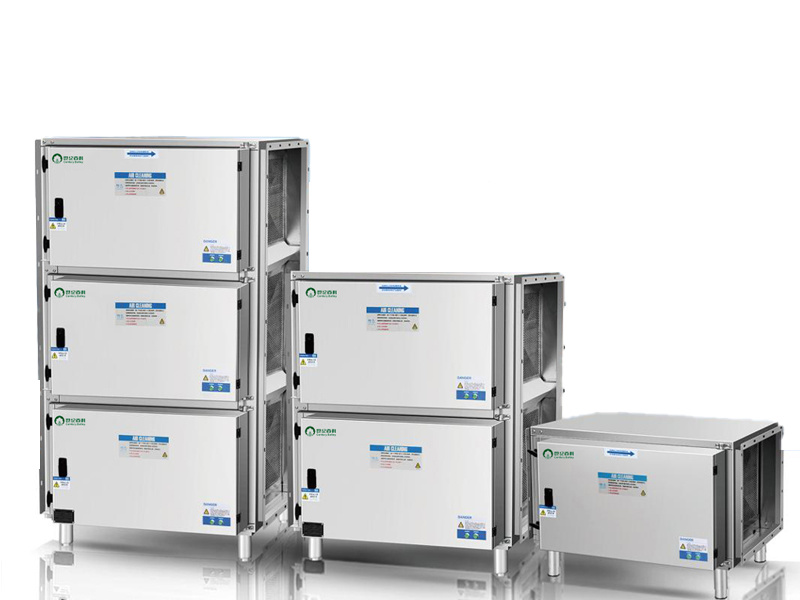
Low-altitude direct exhaust fume purifiers are advanced air purification systems designed to effectively remove harmful pollutants and particulates generated during industrial processes. These systems are particularly beneficial for environments where traditional exhaust ventilation may not suffice. They work efficiently by capturing and eliminating fumes, smoke, and other airborne contaminants at

Low-altitude direct exhaust fume purifiers are advanced air purification systems designed to effectively remove harmful pollutants and particulates generated during industrial processes. These systems are particularly beneficial for environments where traditional exhaust ventilation may not suffice. They work efficiently by capturing and eliminating fumes, smoke, and other airborne contaminants at a low altitude, thereby enhancing air quality and ensuring compliance with occupational safety regulations.
One of the primary features of low-altitude direct exhaust fume purifiers is their strategic placement. These units are typically installed close to the source of emissions, such as cooking equipment in industrial kitchens or manufacturing machinery. By positioning the purifier near the emission point, the system can quickly capture and filter pollutants before they disperse into the surrounding air. This direct approach minimizes the risk of exposure to harmful substances for employees and contributes to a healthier workplace.
The technology utilized in these purifiers often includes multiple stages of filtration. Initial filters may capture larger particles, while subsequent stages, such as activated carbon or HEPA filters, target smaller pollutants and volatile organic compounds (VOCs). The use of advanced filtration media not only ensures efficient particle removal but also helps neutralize odors, creating a more pleasant environment. Regular maintenance of these filters is essential for optimal performance and longevity of the system.
Another significant advantage of low-altitude direct exhaust fume purifiers is their energy efficiency. Many modern systems are designed with energy-saving features that reduce operational costs while maintaining high purification standards. This efficiency is particularly important for industries where prolonged equipment operation is standard. By investing in energy-efficient systems, companies can reduce their carbon footprint and operational expenses simultaneously.
In addition to air purification, these systems can significantly improve workplace safety. By ensuring that harmful fumes are effectively captured and filtered, the risk of respiratory illnesses and other health issues among employees is greatly reduced. Furthermore, improved air quality can lead to enhanced productivity, as employees are likely to perform better in a clean and safe environment.
In summary, low-altitude direct exhaust fume purifiers are essential components in modern industrial air quality management. Their ability to capture and filter pollutants directly from the source makes them invaluable for maintaining safe and healthy workspaces. By understanding their function and benefits, businesses can make informed decisions about implementing effective air purification solutions in their operations. Investing in these technologies not only complies with regulatory standards but also promotes the well-being of employees and the overall efficiency of industrial processes.
One of the primary features of low-altitude direct exhaust fume purifiers is their strategic placement. These units are typically installed close to the source of emissions, such as cooking equipment in industrial kitchens or manufacturing machinery. By positioning the purifier near the emission point, the system can quickly capture and filter pollutants before they disperse into the surrounding air. This direct approach minimizes the risk of exposure to harmful substances for employees and contributes to a healthier workplace.
The technology utilized in these purifiers often includes multiple stages of filtration. Initial filters may capture larger particles, while subsequent stages, such as activated carbon or HEPA filters, target smaller pollutants and volatile organic compounds (VOCs). The use of advanced filtration media not only ensures efficient particle removal but also helps neutralize odors, creating a more pleasant environment. Regular maintenance of these filters is essential for optimal performance and longevity of the system.
Another significant advantage of low-altitude direct exhaust fume purifiers is their energy efficiency. Many modern systems are designed with energy-saving features that reduce operational costs while maintaining high purification standards. This efficiency is particularly important for industries where prolonged equipment operation is standard. By investing in energy-efficient systems, companies can reduce their carbon footprint and operational expenses simultaneously.
In addition to air purification, these systems can significantly improve workplace safety. By ensuring that harmful fumes are effectively captured and filtered, the risk of respiratory illnesses and other health issues among employees is greatly reduced. Furthermore, improved air quality can lead to enhanced productivity, as employees are likely to perform better in a clean and safe environment.
In summary, low-altitude direct exhaust fume purifiers are essential components in modern industrial air quality management. Their ability to capture and filter pollutants directly from the source makes them invaluable for maintaining safe and healthy workspaces. By understanding their function and benefits, businesses can make informed decisions about implementing effective air purification solutions in their operations. Investing in these technologies not only complies with regulatory standards but also promotes the well-being of employees and the overall efficiency of industrial processes.
More news



Hotline:+86 136 849 29821
Email:13684929821@139.com
Address:No. 6, Junzibubujun Industrial Road, Guanlan, Longhua New District, Shenzhen


