

-
AboutShenzhen Century Bailey Environmental Protection Technology Co., Ltd. (referred to as "Century Bailey") is located by the Guanlan Lake of the World Golf Village, adjacent to the Shanshui Tianyuan Tourism and Culture Park. It is a national high-tech enterprise and a specialized and new enterprise focusing on the research, development, production, and sales of catering industry oil fume purification products.

-
ProductShenzhen Century Bailey Environmental Protection Technology Co., Ltd. (referred to as "Century Bailey") is located by the Guanlan Lake of the World Golf Village, adjacent to the Shanshui Tianyuan Tourism and Culture Park. It is a national high-tech enterprise and a specialized and new enterprise focusing on the research, development, production, and sales of catering industry oil fume purification products.
-
Core AdvantagesShenzhen Century Bailey Environmental Protection Technology Co., Ltd. (referred to as "Century Bailey") is located by the Guanlan Lake of the World Golf Village, adjacent to the Shanshui Tianyuan Tourism and Culture Park. It is a national high-tech enterprise and a specialized and new enterprise focusing on the research, development, production, and sales of catering industry oil fume purification products.
-
CasesShenzhen Century Bailey Environmental Protection Technology Co., Ltd. (referred to as "Century Bailey") is located by the Guanlan Lake of the World Golf Village, adjacent to the Shanshui Tianyuan Tourism and Culture Park. It is a national high-tech enterprise and a specialized and new enterprise focusing on the research, development, production, and sales of catering industry oil fume purification products.
-
Customer serviceShenzhen Century Bailey Environmental Protection Technology Co., Ltd. (referred to as "Century Bailey") is located by the Guanlan Lake of the World Golf Village, adjacent to the Shanshui Tianyuan Tourism and Culture Park. It is a national high-tech enterprise and a specialized and new enterprise focusing on the research, development, production, and sales of catering industry oil fume purification products.
-
ContactShenzhen Century Bailey Environmental Protection Technology Co., Ltd. (referred to as "Century Bailey") is located by the Guanlan Lake of the World Golf Village, adjacent to the Shanshui Tianyuan Tourism and Culture Park. It is a national high-tech enterprise and a specialized and new enterprise focusing on the research, development, production, and sales of catering industry oil fume purification products.

High-Volume Oil Fume Purifiers vs. Traditional Filters: A Comprehensive Comparison
Release time:
2026-08-01
High-Volume Oil Fume Purifiers vs. Traditional Filters: A Comprehensive Comparison Table of Contents 1. Introduction to Air Purification in Industrial Settings 2. Understanding High-Volume Oil Fume Purifiers 3. Overview of Traditional Filters 4. Performance Comparison Between High-Volume Oil Fume Purifiers and Traditional Filters 5. Cost-Benefit Analysis of High-Volume Oil Fume Purifier

High-Volume Oil Fume Purifiers vs. Traditional Filters: A Comprehensive Comparison
Table of Contents
- 1. Introduction to Air Purification in Industrial Settings
- 2. Understanding High-Volume Oil Fume Purifiers
- 3. Overview of Traditional Filters
- 4. Performance Comparison Between High-Volume Oil Fume Purifiers and Traditional Filters
- 5. Cost-Benefit Analysis of High-Volume Oil Fume Purifiers vs. Traditional Filters
- 6. Maintenance Requirements: High-Volume vs. Traditional
- 7. Environmental Impact: Sustainability of Filtration Systems
- 8. Future Trends in Industrial Air Purification
- 9. Conclusion
- 10. Frequently Asked Questions
1. Introduction to Air Purification in Industrial Settings
In the modern industrial landscape, maintaining a healthy environment is pivotal. As industries evolve, so do the methods used to manage air quality. High-volume oil fume purifiers and traditional filters are vital components in ensuring that workplaces remain safe from harmful emissions. Understanding the differences between these two systems is crucial for businesses aiming to improve air quality effectively and efficiently.
2. Understanding High-Volume Oil Fume Purifiers
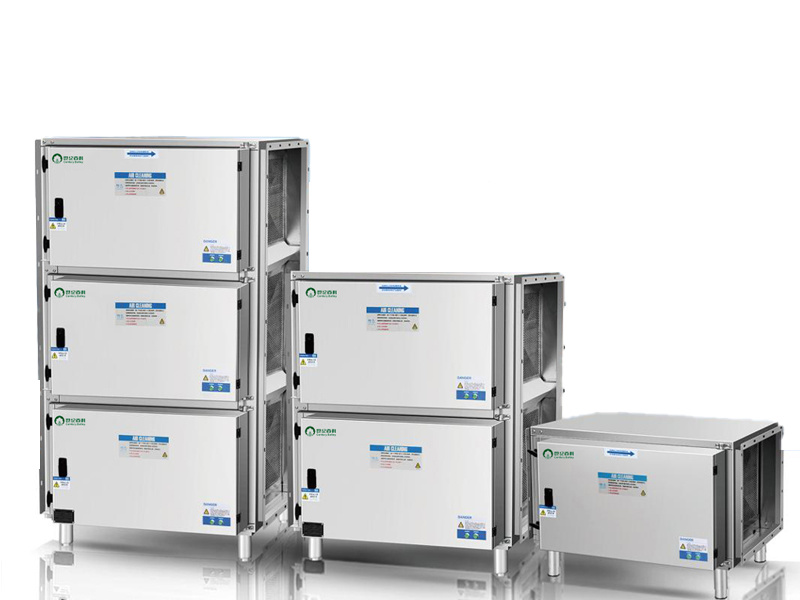
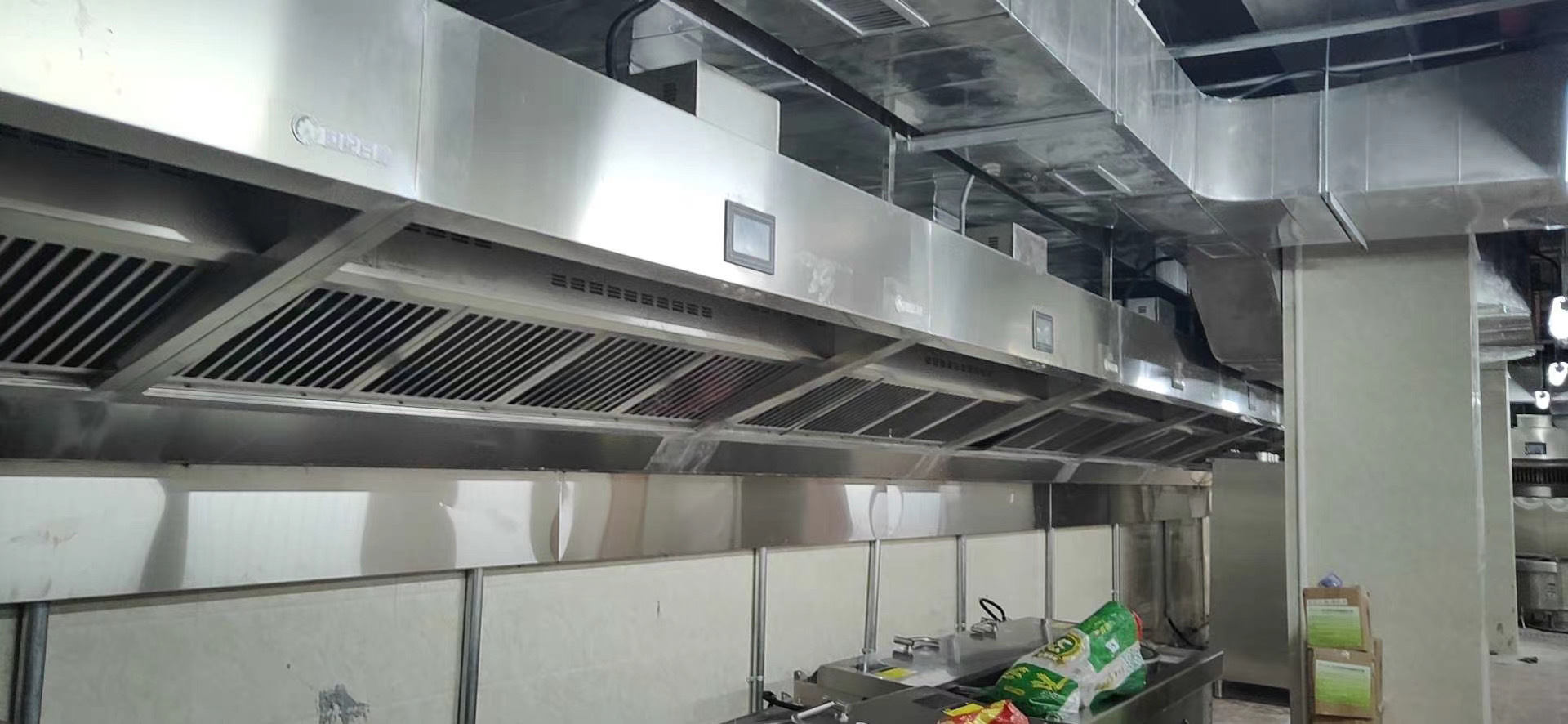
High-volume oil fume purifiers are advanced systems specifically designed to capture and eliminate airborne oil fumes generated during industrial processes. Unlike conventional filters, these purifiers employ sophisticated technology that not only filters out particles but also neutralizes harmful compounds. Key features include:
Advanced Filtration Technology
High-volume oil fume purifiers typically utilize multi-stage filtration processes, combining mechanical and electrostatic methods to ensure maximum efficiency. This layered approach enhances the ability to trap smaller particles, providing cleaner air output.
High Efficiency and Performance
By maximizing airflow without compromising on purification quality, high-volume purifiers can handle the demands of larger operations, making them ideal for industries such as manufacturing and food processing.
Cost-Effectiveness Over Time
Although initial investments may be higher, the long-term savings in maintenance and energy costs can offset these expenses, making high-volume oil fume purifiers a smart choice for many businesses.
3. Overview of Traditional Filters
Traditional filters have been a staple in industrial air purification for decades, employing simple mechanical means to capture airborne particles. They come in various forms, including HEPA filters, activated carbon filters, and more.
Basic Filtration Mechanisms
Traditional filters primarily rely on physical barriers to trap particles, which can limit their effectiveness against smaller contaminants. These systems often require regular replacement to maintain performance.
Common Applications
While traditional filters can be effective in certain settings, they are often best suited for smaller operations or environments where air quality demands are less rigorous.
4. Performance Comparison Between High-Volume Oil Fume Purifiers and Traditional Filters
The performance of air purification systems is paramount to ensuring a safe working environment. Here's how high-volume oil fume purifiers stack up against traditional filters:
Filtration Efficiency
High-volume oil fume purifiers demonstrate superior filtration efficiency, capturing a broader range of particles, including ultrafine oil droplets that traditional filters may miss.
Flow Rate and Capacity
High-volume purifiers are designed to handle greater airflows, making them suitable for larger facilities. Traditional filters may struggle to maintain efficiency when faced with high-volume emissions.
Contaminant Neutralization
Many high-volume purifiers can neutralize harmful compounds in addition to filtering them, whereas traditional filters typically only capture particles without altering their chemical composition.
5. Cost-Benefit Analysis of High-Volume Oil Fume Purifiers vs. Traditional Filters
The decision to invest in high-volume oil fume purifiers or traditional filters often comes down to cost considerations.
Initial Investment vs. Long-Term Savings
While high-volume oil fume purifiers may require a larger upfront investment, businesses could benefit from reduced maintenance costs and extended filter life, contributing to overall financial savings.
Energy Efficiency
Many modern high-volume purifiers are designed with energy efficiency in mind, which can lead to reduced operational costs compared to traditional systems that may consume more power.
6. Maintenance Requirements: High-Volume vs. Traditional
Maintenance is a critical aspect of any air purification system.
Frequency of Maintenance
High-volume oil fume purifiers often require less frequent maintenance due to their advanced design, allowing businesses to focus on operations rather than upkeep.
Replacement Parts and Costs
Traditional filters typically necessitate regular replacements, which can accumulate significant costs over time. In contrast, high-volume purifiers may use a combination of washable and replaceable components, offering flexibility in maintenance.
7. Environmental Impact: Sustainability of Filtration Systems
Modern industries are increasingly focused on sustainability.
Energy Consumption and Carbon Footprint
High-volume oil fume purifiers often utilize energy-efficient technologies that reduce overall energy consumption and lower carbon emissions compared to traditional filters.
Waste Management
High-volume purifiers can reduce waste generation through reusable components, whereas traditional systems typically contribute more waste through disposable filters.
8. Future Trends in Industrial Air Purification
The landscape of industrial air purification is evolving rapidly.
Smart Technology Integration
The future will likely see increased integration of smart technologies in air purification systems, enabling real-time monitoring and automatic adjustments to improve efficiency.
Regulatory Impacts
As environmental regulations become more stringent, industries will be compelled to adopt more effective purification methods, further highlighting the advantages of high-volume oil fume purifiers.
9. Conclusion
In conclusion, the choice between high-volume oil fume purifiers and traditional filters hinges on various factors, including efficiency, cost, maintenance, and environmental impact. High-volume oil fume purifiers emerge as the more advanced option, providing enhanced performance and long-term savings for industrial applications. Investing in superior air purification technology not only supports compliance with regulations but also contributes to a healthier working environment.
10. Frequently Asked Questions
1. What is the primary advantage of high-volume oil fume purifiers over traditional filters?
The primary advantage lies in their superior filtration efficiency and ability to neutralize harmful compounds, making them ideal for industries with high oil fume emissions.
2. How often do high-volume oil fume purifiers need maintenance?
High-volume oil fume purifiers typically require less frequent maintenance than traditional filters, thanks to their advanced design and filtration systems.
3. Are high-volume oil fume purifiers more cost-effective in the long run?
Yes, while they may have a higher initial cost, their energy efficiency and reduced maintenance needs can lead to significant savings over time.
4. Can traditional filters be used effectively in all industrial settings?
Traditional filters are best suited for smaller operations or environments with lower air quality demands, as they may struggle with high volumes of emissions.
5. What role does sustainability play in choosing air purification systems?
Sustainability is increasingly important as industries face regulatory pressures. High-volume oil fume purifiers often provide more eco-friendly options through reduced waste and energy consumption.
More news


Hotline:+86 136 849 29821
Email:13684929821@139.com
Address:No. 6, Junzibubujun Industrial Road, Guanlan, Longhua New District, Shenzhen


