

-
AboutShenzhen Century Bailey Environmental Protection Technology Co., Ltd. (referred to as "Century Bailey") is located by the Guanlan Lake of the World Golf Village, adjacent to the Shanshui Tianyuan Tourism and Culture Park. It is a national high-tech enterprise and a specialized and new enterprise focusing on the research, development, production, and sales of catering industry oil fume purification products.
-
ProductShenzhen Century Bailey Environmental Protection Technology Co., Ltd. (referred to as "Century Bailey") is located by the Guanlan Lake of the World Golf Village, adjacent to the Shanshui Tianyuan Tourism and Culture Park. It is a national high-tech enterprise and a specialized and new enterprise focusing on the research, development, production, and sales of catering industry oil fume purification products.
-
Core AdvantagesShenzhen Century Bailey Environmental Protection Technology Co., Ltd. (referred to as "Century Bailey") is located by the Guanlan Lake of the World Golf Village, adjacent to the Shanshui Tianyuan Tourism and Culture Park. It is a national high-tech enterprise and a specialized and new enterprise focusing on the research, development, production, and sales of catering industry oil fume purification products.
-
CasesShenzhen Century Bailey Environmental Protection Technology Co., Ltd. (referred to as "Century Bailey") is located by the Guanlan Lake of the World Golf Village, adjacent to the Shanshui Tianyuan Tourism and Culture Park. It is a national high-tech enterprise and a specialized and new enterprise focusing on the research, development, production, and sales of catering industry oil fume purification products.
-
Customer serviceShenzhen Century Bailey Environmental Protection Technology Co., Ltd. (referred to as "Century Bailey") is located by the Guanlan Lake of the World Golf Village, adjacent to the Shanshui Tianyuan Tourism and Culture Park. It is a national high-tech enterprise and a specialized and new enterprise focusing on the research, development, production, and sales of catering industry oil fume purification products.
-
ContactShenzhen Century Bailey Environmental Protection Technology Co., Ltd. (referred to as "Century Bailey") is located by the Guanlan Lake of the World Golf Village, adjacent to the Shanshui Tianyuan Tourism and Culture Park. It is a national high-tech enterprise and a specialized and new enterprise focusing on the research, development, production, and sales of catering industry oil fume purification products.
The Future of Clean Air: Exploring Automatic Cleaning Purifiers in Industrial Settings
Release time:
2026-07-29
In recent years, the demand for cleaner air has surged, particularly in industrial settings where pollutants and airborne contaminants can significantly impact both health and productivity. One of the most promising solutions to this challenge is the automatic cleaning purifier. These advanced air purification systems leverage cutting-edge technology to maintain optimal air quality without the nee

In recent years, the demand for cleaner air has surged, particularly in industrial settings where pollutants and airborne contaminants can significantly impact both health and productivity. One of the most promising solutions to this challenge is the automatic cleaning purifier. These advanced air purification systems leverage cutting-edge technology to maintain optimal air quality without the need for constant manual intervention.
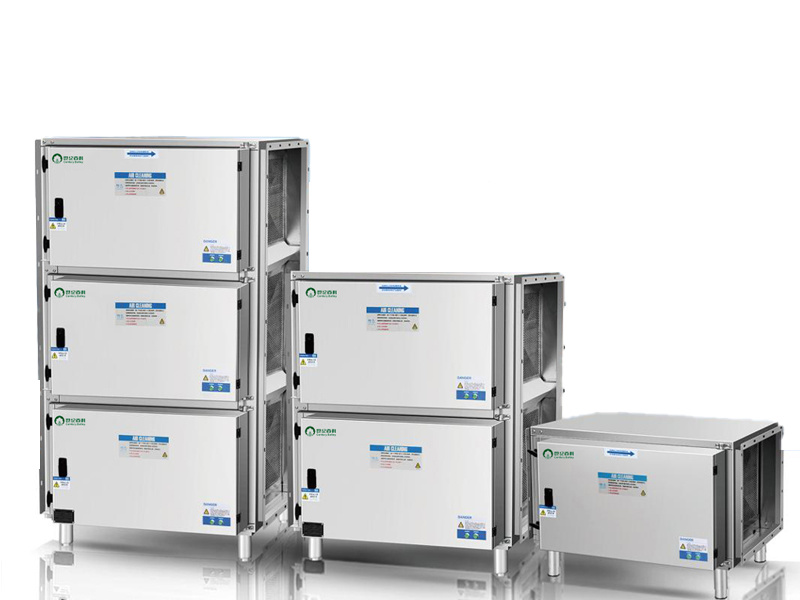
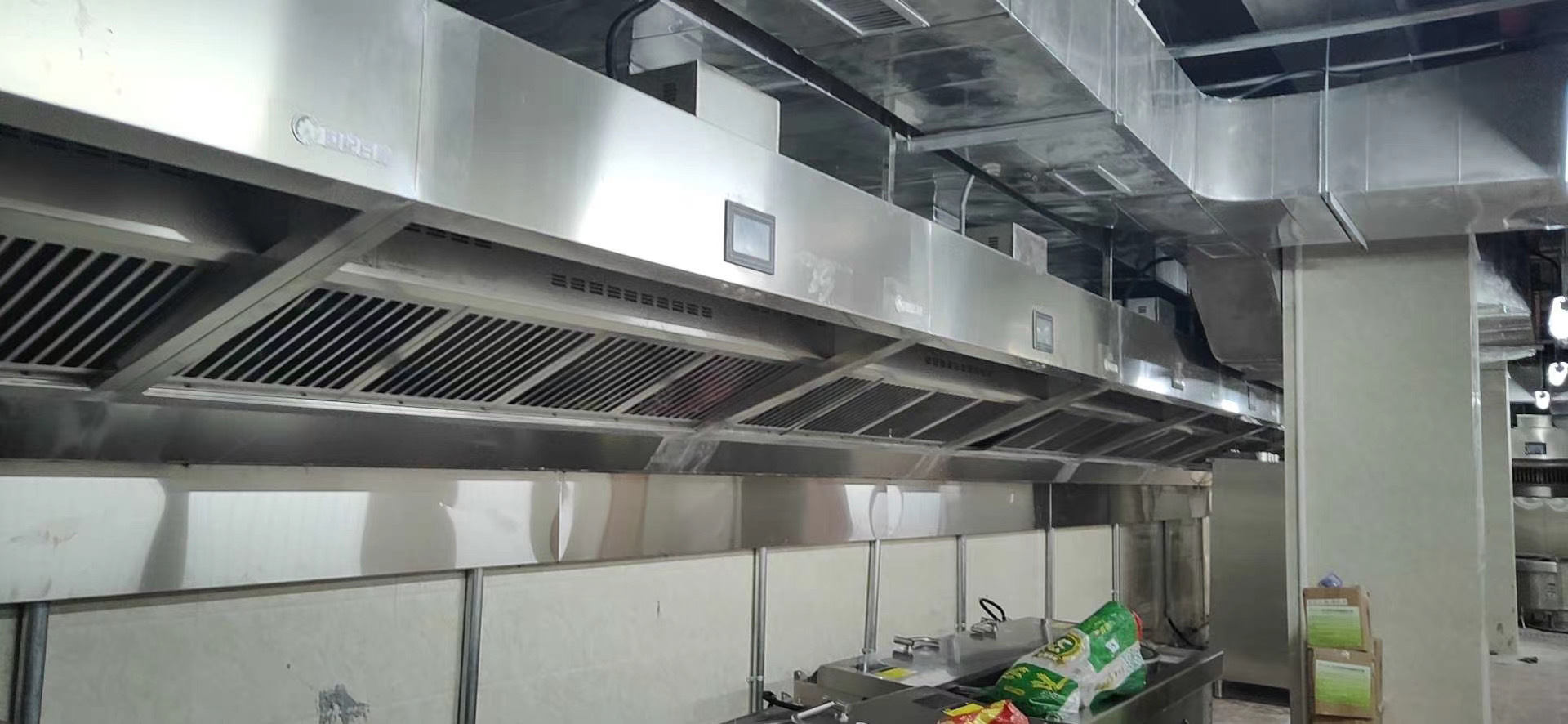
Automatic cleaning purifiers are designed to operate continuously, removing a wide range of pollutants, including particulate matter, volatile organic compounds (VOCs), and even grease and smoke particles, which are particularly prevalent in kitchens and manufacturing facilities. The automation aspect means that these systems can self-clean, ensuring that filters and other components remain efficient and effective over time. This self-cleaning capability reduces the need for frequent maintenance, saving both time and operational costs.
The technology behind these purifiers often includes multiple filtration stages, such as pre-filters, HEPA filters, and activated carbon filters, working in tandem to capture various contaminants. The use of sensors allows for real-time monitoring of air quality, enabling the system to adjust its operation based on current conditions. For instance, when elevated levels of pollutants are detected, the purifier can ramp up its cleaning capacity to address the issue promptly.
Implementing automatic cleaning purifiers in industrial environments comes with numerous benefits. First and foremost, these systems can significantly improve indoor air quality, which has been linked to enhanced employee health and productivity. Cleaner air reduces the risk of respiratory issues and other health problems associated with poor air quality, thus promoting a safer working environment.
Moreover, maintaining optimal air quality can also prolong the life of machinery and equipment. In industries where dust and grease accumulation can lead to breakdowns, a clean air environment helps to mitigate wear and tear on assets, ultimately saving costs related to repairs and replacements.
However, it is essential for businesses to assess their specific needs before investing in an automatic cleaning purifier. Factors such as the size of the facility, the types of pollutants present, and regulatory compliance standards should all be considered. Consulting with air quality experts can provide valuable insights into selecting the right system for your industrial application.
In conclusion, automatic cleaning purifiers represent a vital advancement in industrial air purification technology. By automating the cleaning process, these systems not only enhance air quality but also reduce maintenance costs and improve overall operational efficiency. As industries continue to prioritize health and safety, the adoption of such innovative solutions will undoubtedly play a crucial role in shaping a cleaner, healthier future.
Automatic cleaning purifiers are designed to operate continuously, removing a wide range of pollutants, including particulate matter, volatile organic compounds (VOCs), and even grease and smoke particles, which are particularly prevalent in kitchens and manufacturing facilities. The automation aspect means that these systems can self-clean, ensuring that filters and other components remain efficient and effective over time. This self-cleaning capability reduces the need for frequent maintenance, saving both time and operational costs.
The technology behind these purifiers often includes multiple filtration stages, such as pre-filters, HEPA filters, and activated carbon filters, working in tandem to capture various contaminants. The use of sensors allows for real-time monitoring of air quality, enabling the system to adjust its operation based on current conditions. For instance, when elevated levels of pollutants are detected, the purifier can ramp up its cleaning capacity to address the issue promptly.
Implementing automatic cleaning purifiers in industrial environments comes with numerous benefits. First and foremost, these systems can significantly improve indoor air quality, which has been linked to enhanced employee health and productivity. Cleaner air reduces the risk of respiratory issues and other health problems associated with poor air quality, thus promoting a safer working environment.
Moreover, maintaining optimal air quality can also prolong the life of machinery and equipment. In industries where dust and grease accumulation can lead to breakdowns, a clean air environment helps to mitigate wear and tear on assets, ultimately saving costs related to repairs and replacements.
However, it is essential for businesses to assess their specific needs before investing in an automatic cleaning purifier. Factors such as the size of the facility, the types of pollutants present, and regulatory compliance standards should all be considered. Consulting with air quality experts can provide valuable insights into selecting the right system for your industrial application.
In conclusion, automatic cleaning purifiers represent a vital advancement in industrial air purification technology. By automating the cleaning process, these systems not only enhance air quality but also reduce maintenance costs and improve overall operational efficiency. As industries continue to prioritize health and safety, the adoption of such innovative solutions will undoubtedly play a crucial role in shaping a cleaner, healthier future.
More news


Hotline:+86 136 849 29821
Email:13684929821@139.com
Address:No. 6, Junzibubujun Industrial Road, Guanlan, Longhua New District, Shenzhen


