

-
AboutShenzhen Century Bailey Environmental Protection Technology Co., Ltd. (referred to as "Century Bailey") is located by the Guanlan Lake of the World Golf Village, adjacent to the Shanshui Tianyuan Tourism and Culture Park. It is a national high-tech enterprise and a specialized and new enterprise focusing on the research, development, production, and sales of catering industry oil fume purification products.

-
ProductShenzhen Century Bailey Environmental Protection Technology Co., Ltd. (referred to as "Century Bailey") is located by the Guanlan Lake of the World Golf Village, adjacent to the Shanshui Tianyuan Tourism and Culture Park. It is a national high-tech enterprise and a specialized and new enterprise focusing on the research, development, production, and sales of catering industry oil fume purification products.
-
Core AdvantagesShenzhen Century Bailey Environmental Protection Technology Co., Ltd. (referred to as "Century Bailey") is located by the Guanlan Lake of the World Golf Village, adjacent to the Shanshui Tianyuan Tourism and Culture Park. It is a national high-tech enterprise and a specialized and new enterprise focusing on the research, development, production, and sales of catering industry oil fume purification products.
-
CasesShenzhen Century Bailey Environmental Protection Technology Co., Ltd. (referred to as "Century Bailey") is located by the Guanlan Lake of the World Golf Village, adjacent to the Shanshui Tianyuan Tourism and Culture Park. It is a national high-tech enterprise and a specialized and new enterprise focusing on the research, development, production, and sales of catering industry oil fume purification products.
-
Customer serviceShenzhen Century Bailey Environmental Protection Technology Co., Ltd. (referred to as "Century Bailey") is located by the Guanlan Lake of the World Golf Village, adjacent to the Shanshui Tianyuan Tourism and Culture Park. It is a national high-tech enterprise and a specialized and new enterprise focusing on the research, development, production, and sales of catering industry oil fume purification products.
-
ContactShenzhen Century Bailey Environmental Protection Technology Co., Ltd. (referred to as "Century Bailey") is located by the Guanlan Lake of the World Golf Village, adjacent to the Shanshui Tianyuan Tourism and Culture Park. It is a national high-tech enterprise and a specialized and new enterprise focusing on the research, development, production, and sales of catering industry oil fume purification products.

Dynamic Fume Purifiers: Essential Equipment for Efficient Oil Mist Elimination
Release time:
2026-07-26
Dynamic Fume Purifiers: Essential Equipment for Efficient Oil Mist Elimination In today's industrial landscape, maintaining a safe and clean working environment is paramount. One of the major pollutants in manufacturing and processing facilities is oil mist, which can have detrimental effects on both health and equipment longevity. This is where **dynamic fume purifiers** come into play, providing

Dynamic Fume Purifiers: Essential Equipment for Efficient Oil Mist Elimination
In today's industrial landscape, maintaining a safe and clean working environment is paramount. One of the major pollutants in manufacturing and processing facilities is oil mist, which can have detrimental effects on both health and equipment longevity. This is where **dynamic fume purifiers** come into play, providing an effective solution for oil mist elimination. In this guide, we will explore the intricacies of dynamic fume purifiers, their operation, benefits, and their essential role in various industries.
Table of Contents
1. What are Dynamic Fume Purifiers?
2. The Importance of Oil Mist Elimination
3. How Do Dynamic Fume Purifiers Work?
- 3.1 Key Components of Dynamic Fume Purifiers
- 3.2 The Filtration Process Explained
4. Benefits of Using Dynamic Fume Purifiers
5. Applications of Dynamic Fume Purifiers in Various Industries
6. Maintenance and Care for Optimal Performance
7. Choosing the Right Dynamic Fume Purifier for Your Needs
8. Frequently Asked Questions (FAQs)
9. Conclusion
What are Dynamic Fume Purifiers?
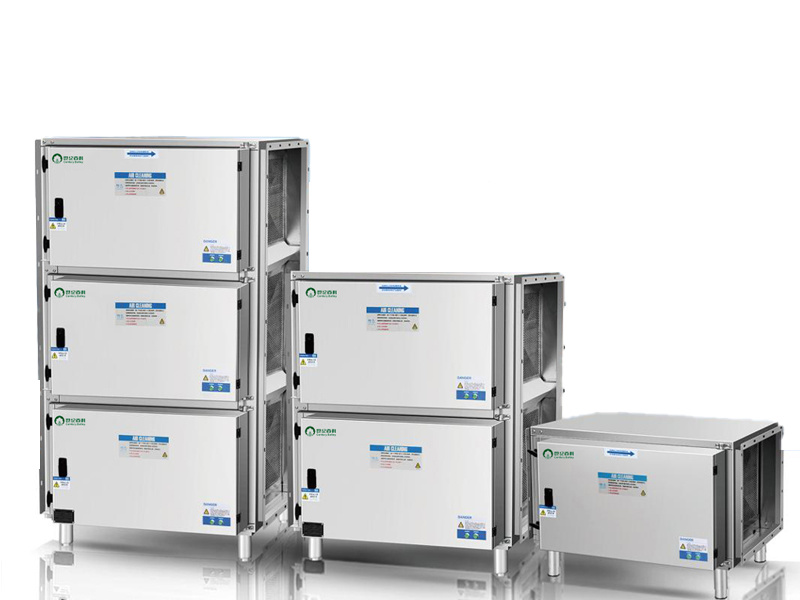
Dynamic fume purifiers are advanced air filtration systems designed specifically to capture and eliminate pollutants like oil mist and fumes from the air in industrial settings. These systems are essential in environments where machining, grinding, and other processes generate oil mist. By using sophisticated filtration technologies, dynamic fume purifiers ensure that the air quality is maintained at optimal levels, contributing to a safer workplace.
The Importance of Oil Mist Elimination
Oil mist is a common byproduct in manufacturing processes that utilize cutting fluids and oils. When not adequately managed, oil mist can lead to various health hazards for employees, including respiratory issues and skin irritations. Additionally, oil mist can coat machinery and surfaces, leading to corrosion and increased wear and tear. Therefore, eliminating oil mist is not just a regulatory requirement; it is vital for maintaining employee well-being and ensuring the longevity of equipment.
How Do Dynamic Fume Purifiers Work?
Dynamic fume purifiers employ a combination of mechanical and electrostatic filtration techniques to effectively remove oil mist and other airborne contaminants from the environment.
Key Components of Dynamic Fume Purifiers
1. **Pre-Filters**: These initial filters capture larger particles and droplets, reducing the load on subsequent filtration stages.
2. **Electrostatic Filters**: Utilizing an electric charge, these filters attract and capture smaller particles that conventional filters may miss.
3. **HEPA Filters**: High-Efficiency Particulate Air (HEPA) filters are employed for their ability to trap 99.97% of particles that are 0.3 microns or larger, ensuring that even the finest oil mist is removed.
4. **Fan Units**: These components facilitate the movement of air through the filtration system, ensuring consistent airflow and effective contaminant capture.
The Filtration Process Explained
The filtration process begins with air being drawn into the dynamic fume purifier. As air enters, pre-filters capture larger particles. Next, the air moves through the electrostatic filters, where an electric charge collects smaller particles. Finally, the air passes through the HEPA filters, which remove the last traces of oil mist and other contaminants. The purified air is then expelled back into the workspace, significantly improving air quality.
Benefits of Using Dynamic Fume Purifiers
Investing in dynamic fume purifiers yields numerous benefits for businesses and employees alike.
1. **Improved Air Quality**: By effectively removing oil mist, these purifiers enhance the air quality, leading to a healthier work environment.
2. **Regulatory Compliance**: Many industries have strict regulations concerning air quality. Dynamic fume purifiers help companies comply with these regulations, avoiding fines and legal issues.
3. **Reduced Health Risks**: Lowering the concentration of airborne pollutants minimizes the risk of health problems for employees, resulting in fewer sick days and increased productivity.
4. **Equipment Longevity**: By preventing oil mist buildup on machinery, dynamic fume purifiers contribute to longer equipment life and reduced maintenance costs.
5. **Cost Efficiency**: While the initial investment may be significant, the long-term savings related to health care, equipment repairs, and enhanced productivity make dynamic fume purifiers a cost-effective solution.
Applications of Dynamic Fume Purifiers in Various Industries
Dynamic fume purifiers find applications across various industries, ensuring air quality control and compliance with environmental regulations.
1. **Machining and Metalworking**: In environments where cutting fluids are heavily used, dynamic fume purifiers capture oil mist generated during machining operations.
2. **Automotive Manufacturing**: The automotive industry relies on these purifiers to remove oil mist and other contaminants produced during engine assembly and machining processes.
3. **Aerospace**: In aerospace manufacturing, maintaining stringent air quality standards is vital. Dynamic fume purifiers help achieve this by efficiently removing oil mist.
4. **Food Processing**: In food manufacturing, maintaining hygiene is crucial. Dynamic fume purifiers help eliminate contaminants that could compromise product safety.
5. **Electronics**: The electronics industry also benefits from dynamic fume purifiers, as oil mist can affect delicate components and lead to operational failures.
Maintenance and Care for Optimal Performance
To ensure the efficiency of dynamic fume purifiers, regular maintenance is essential. Here are some tips for optimal care:
1. **Regular Filter Replacement**: Follow the manufacturer’s recommendations for filter replacement to maintain airflow and filtration efficiency.
2. **Routine Inspections**: Conduct periodic inspections to check for any signs of wear, leaks, or malfunctions.
3. **Cleaning**: Regularly clean the pre-filters and housing to prevent buildup and ensure effective operation.
4. **Monitoring Performance**: Utilize performance monitoring tools to track the efficiency of the purifier and identify potential issues quickly.
Choosing the Right Dynamic Fume Purifier for Your Needs
Selecting the right dynamic fume purifier requires careful consideration of several factors:
1. **Type of Operation**: Evaluate your specific industrial processes to determine the appropriate type and capacity of the fume purifier needed.
2. **Airflow Requirements**: Assess the airflow requirements based on the size of the workspace and the volume of air that needs purification.
3. **Space Constraints**: Consider the available space for installation. Dynamic fume purifiers come in various sizes, and choosing one that fits your operational space is crucial.
4. **Budget**: While cost is an important factor, consider the long-term savings on health care and equipment maintenance when making your decision.
Frequently Asked Questions (FAQs)
**1. What is the primary function of dynamic fume purifiers?**
Dynamic fume purifiers primarily capture and eliminate oil mist and other airborne contaminants to improve air quality in industrial settings.
**2. How often should filters be replaced?**
Filter replacement frequency varies by manufacturer and usage but generally should be conducted every 3 to 6 months or according to performance monitoring.
**3. Can dynamic fume purifiers be used in all industrial environments?**
While they are effective in many industries, it’s essential to evaluate specific operational conditions to determine suitability.
**4. How do dynamic fume purifiers contribute to worker safety?**
By significantly reducing airborne contaminants, these purifiers lower the risk of respiratory issues and other health hazards among employees.
**5. Are there energy-efficient options available for dynamic fume purifiers?**
Yes, many modern dynamic fume purifiers are designed with energy efficiency in mind, reducing operational costs while maintaining performance.
Conclusion
Dynamic fume purifiers play a crucial role in maintaining air quality in industrial environments by effectively eliminating oil mist and other airborne contaminants. Their ability to enhance workplace safety, comply with regulations, and extend equipment life makes them an invaluable asset for various industries. Investing in these advanced filtration systems not only ensures a healthier work environment but also contributes to long-term operational efficiency and cost savings. By understanding their functionality, benefits, and applications, businesses can make informed decisions about the best air purification solutions for their needs.
More news


Hotline:+86 136 849 29821
Email:13684929821@139.com
Address:No. 6, Junzibubujun Industrial Road, Guanlan, Longhua New District, Shenzhen


