

-
AboutShenzhen Century Bailey Environmental Protection Technology Co., Ltd. (referred to as "Century Bailey") is located by the Guanlan Lake of the World Golf Village, adjacent to the Shanshui Tianyuan Tourism and Culture Park. It is a national high-tech enterprise and a specialized and new enterprise focusing on the research, development, production, and sales of catering industry oil fume purification products.
-
ProductShenzhen Century Bailey Environmental Protection Technology Co., Ltd. (referred to as "Century Bailey") is located by the Guanlan Lake of the World Golf Village, adjacent to the Shanshui Tianyuan Tourism and Culture Park. It is a national high-tech enterprise and a specialized and new enterprise focusing on the research, development, production, and sales of catering industry oil fume purification products.
-
Core AdvantagesShenzhen Century Bailey Environmental Protection Technology Co., Ltd. (referred to as "Century Bailey") is located by the Guanlan Lake of the World Golf Village, adjacent to the Shanshui Tianyuan Tourism and Culture Park. It is a national high-tech enterprise and a specialized and new enterprise focusing on the research, development, production, and sales of catering industry oil fume purification products.
-
CasesShenzhen Century Bailey Environmental Protection Technology Co., Ltd. (referred to as "Century Bailey") is located by the Guanlan Lake of the World Golf Village, adjacent to the Shanshui Tianyuan Tourism and Culture Park. It is a national high-tech enterprise and a specialized and new enterprise focusing on the research, development, production, and sales of catering industry oil fume purification products.
-
Customer serviceShenzhen Century Bailey Environmental Protection Technology Co., Ltd. (referred to as "Century Bailey") is located by the Guanlan Lake of the World Golf Village, adjacent to the Shanshui Tianyuan Tourism and Culture Park. It is a national high-tech enterprise and a specialized and new enterprise focusing on the research, development, production, and sales of catering industry oil fume purification products.
-
ContactShenzhen Century Bailey Environmental Protection Technology Co., Ltd. (referred to as "Century Bailey") is located by the Guanlan Lake of the World Golf Village, adjacent to the Shanshui Tianyuan Tourism and Culture Park. It is a national high-tech enterprise and a specialized and new enterprise focusing on the research, development, production, and sales of catering industry oil fume purification products.
Transform Your Workspace with Advanced Combined Fume Purifiers: A Comprehensive Guide
Release time:
2026-07-20
Transform Your Workspace with Advanced Combined Fume Purifiers Table of Contents 1. Introduction to Combined Fume Purifiers 2. What Are Combined Fume Purifiers? 3. The Importance of Air Quality in the Workplace 4. Benefits of Advanced Combined Fume Purifiers 5. How Do Combined Fume Purifiers Work? 6. Applications of Combined Fume Purifiers in Various Industries 7. Choo

Transform Your Workspace with Advanced Combined Fume Purifiers
Table of Contents
- 1. Introduction to Combined Fume Purifiers
- 2. What Are Combined Fume Purifiers?
- 3. The Importance of Air Quality in the Workplace
- 4. Benefits of Advanced Combined Fume Purifiers
- 5. How Do Combined Fume Purifiers Work?
- 6. Applications of Combined Fume Purifiers in Various Industries
- 7. Choosing the Right Combined Fume Purifier for Your Workspace
- 8. Maintenance and Care for Optimal Performance
- 9. Frequently Asked Questions
- 10. Conclusion
1. Introduction to Combined Fume Purifiers
In today’s dynamic industrial landscape, maintaining a clean and safe working environment has never been more critical. **Air pollution** can significantly affect employee health and productivity. Advanced **combined fume purifiers** are at the forefront of solutions aimed at tackling these issues. These systems not only filter out harmful particles but also neutralize odors and volatile organic compounds (VOCs), creating a healthier workspace.
2. What Are Combined Fume Purifiers?
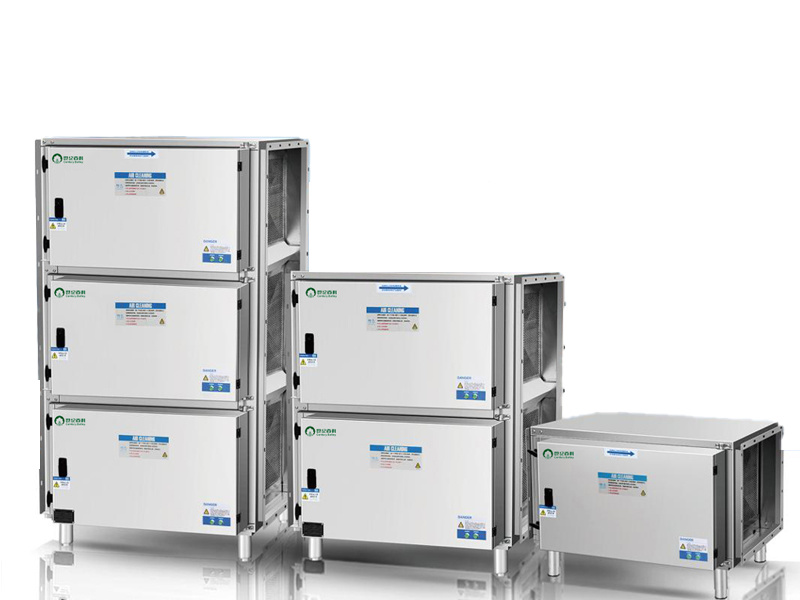
**Combined fume purifiers** are specialized devices designed to remove various contaminants from the air. They integrate multiple filtration technologies, allowing them to handle a broad spectrum of pollutants, including smoke, oil mist, chemical fumes, and dust. By employing methods such as HEPA filtration, activated carbon absorption, and electrostatic precipitation, these purifiers ensure a comprehensive approach to air quality management.
3. The Importance of Air Quality in the Workplace
The quality of air in the workplace can have profound implications for both employees' health and overall productivity. Poor air quality is associated with various health issues, including respiratory problems, allergies, and fatigue. Furthermore, studies have shown that **clean air** can enhance cognitive function, leading to improved decision-making and efficiency. Investing in combined fume purifiers is not just about compliance with safety regulations; it’s about fostering a culture of well-being within the organization.
4. Benefits of Advanced Combined Fume Purifiers
Advanced combined fume purifiers offer numerous advantages for workplaces, including:
4.1 Enhanced Air Quality
One of the primary benefits is the significant improvement in air quality. By effectively removing harmful contaminants, these purifiers help create a safer working environment.
4.2 Increased Employee Productivity
When employees breathe cleaner air, their overall health improves, leading to increased productivity levels. Studies indicate that better air quality correlates with higher employee performance.
4.3 Compliance with Safety Standards
Many industries are required to adhere to strict air quality standards. Using advanced fume purifiers ensures compliance and reduces the risk of legal issues.
4.4 Reduced Odors
Fume purifiers effectively neutralize unpleasant odors, which can be detrimental to workplace morale.
4.5 Cost-Effectiveness
Investing in combined fume purifiers can lead to long-term savings by reducing health-related costs and improving employee retention.
5. How Do Combined Fume Purifiers Work?
Combined fume purifiers utilize a multi-stage filtration process to cleanse the air.
5.1 Pre-Filtration
Initially, larger particles such as dust and debris are captured through pre-filters. This stage prolongs the life of more sensitive filters.
5.2 HEPA Filtration
HEPA filters trap 99.97% of particles down to 0.3 microns, effectively removing allergens and fine dust from the air.
5.3 Activated Carbon Filtration
Activated carbon filters absorb and neutralize odors and VOCs, ensuring that the air remains fresh and free from harmful substances.
5.4 Electrostatic Precipitators
These devices use electrical charges to capture particles, ensuring even smaller contaminants are eliminated from the environment.
6. Applications of Combined Fume Purifiers in Various Industries
Combined fume purifiers find applications across numerous sectors, including:
6.1 Manufacturing
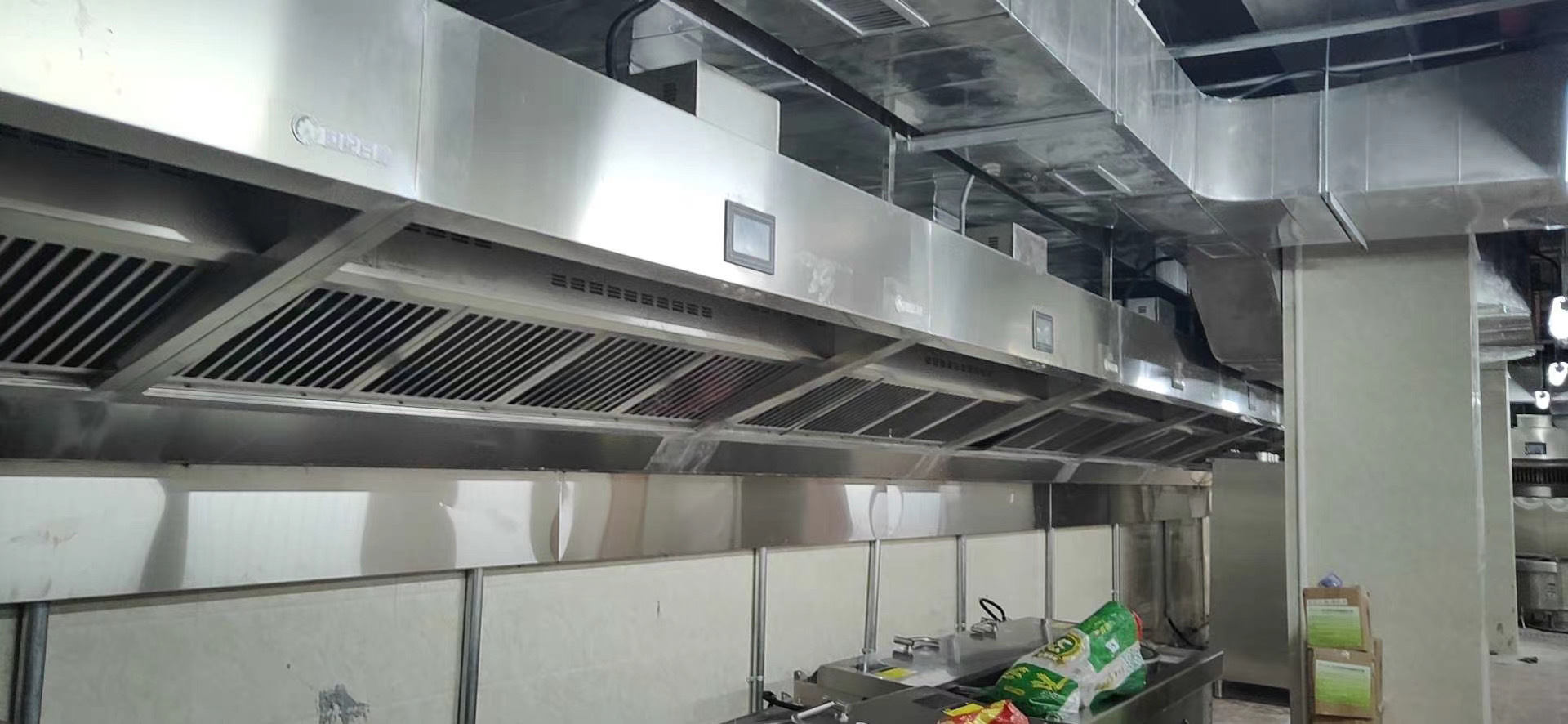
In manufacturing facilities, these purifiers control emissions from machinery, ensuring a safe environment for workers.
6.2 Food Processing
In food processing plants, maintaining air quality is paramount to avoid contamination and uphold hygiene standards.
6.4 Laboratories
Research laboratories often deal with hazardous fumes. Advanced fume purifiers are essential for ensuring a safe workspace for scientists and technicians.
6.5 Automotive
In the automotive industry, combined fume purifiers help manage fumes and vapors released during painting and other processes.
7. Choosing the Right Combined Fume Purifier for Your Workspace
Selecting the appropriate combined fume purifier involves several considerations:
7.1 Identify Your Needs
Assess the specific pollutants present in your workspace to determine the type of fume purifier required.
7.2 Consider the Size of the Space
Choose a purifier that is appropriately sized for your workspace to ensure efficient air cleansing.
7.3 Evaluate Maintenance Requirements
Opt for models that offer easy maintenance to keep operational costs low and ensure high performance.
7.4 Research the Brand and Reviews
Investigate various brands and read customer reviews to gauge reliability and effectiveness.
8. Maintenance and Care for Optimal Performance
Regular maintenance is crucial for ensuring the longevity and efficiency of combined fume purifiers:
8.1 Regular Filter Replacement
Filters must be replaced as per manufacturer guidelines to maintain optimal performance.
8.2 Routine Cleaning
Periodically clean the exterior and accessible internal components to prevent dust buildup.
8.3 Monitoring Performance
Keep an eye on the purifier's performance and address any issues promptly to avoid operational downtime.
9. Frequently Asked Questions
9.1 What is the lifespan of a combined fume purifier?
The lifespan can vary based on usage, filter replacement, and maintenance but generally ranges from 5 to 10 years.
9.2 Can combined fume purifiers remove all types of pollutants?
While they effectively reduce many contaminants, it’s essential to choose a model suited for your specific needs.
9.3 How often should I replace the filters?
Filter replacement frequency depends on usage and environmental conditions, but typically ranges from 6 months to 1 year.
9.4 Do combined fume purifiers produce noise?
Most modern purifiers are designed to operate quietly, making them suitable for various environments.
9.5 Are combined fume purifiers energy-efficient?
Many models are designed to consume minimal energy while providing maximum filtration performance.
10. Conclusion
Investing in advanced combined fume purifiers is a proactive step towards creating a healthier and more productive workspace. These systems not only enhance air quality but also contribute to employee well-being and compliance with safety regulations. By understanding their functionality and applications, businesses can make informed decisions that positively impact their operations. As industries continue to evolve, prioritizing air quality will be crucial in fostering a safe and efficient work environment.
More news


Hotline:+86 136 849 29821
Email:13684929821@139.com
Address:No. 6, Junzibubujun Industrial Road, Guanlan, Longhua New District, Shenzhen


