

-
AboutShenzhen Century Bailey Environmental Protection Technology Co., Ltd. (referred to as "Century Bailey") is located by the Guanlan Lake of the World Golf Village, adjacent to the Shanshui Tianyuan Tourism and Culture Park. It is a national high-tech enterprise and a specialized and new enterprise focusing on the research, development, production, and sales of catering industry oil fume purification products.
-
ProductShenzhen Century Bailey Environmental Protection Technology Co., Ltd. (referred to as "Century Bailey") is located by the Guanlan Lake of the World Golf Village, adjacent to the Shanshui Tianyuan Tourism and Culture Park. It is a national high-tech enterprise and a specialized and new enterprise focusing on the research, development, production, and sales of catering industry oil fume purification products.
-
Core AdvantagesShenzhen Century Bailey Environmental Protection Technology Co., Ltd. (referred to as "Century Bailey") is located by the Guanlan Lake of the World Golf Village, adjacent to the Shanshui Tianyuan Tourism and Culture Park. It is a national high-tech enterprise and a specialized and new enterprise focusing on the research, development, production, and sales of catering industry oil fume purification products.
-
CasesShenzhen Century Bailey Environmental Protection Technology Co., Ltd. (referred to as "Century Bailey") is located by the Guanlan Lake of the World Golf Village, adjacent to the Shanshui Tianyuan Tourism and Culture Park. It is a national high-tech enterprise and a specialized and new enterprise focusing on the research, development, production, and sales of catering industry oil fume purification products.
-
Customer serviceShenzhen Century Bailey Environmental Protection Technology Co., Ltd. (referred to as "Century Bailey") is located by the Guanlan Lake of the World Golf Village, adjacent to the Shanshui Tianyuan Tourism and Culture Park. It is a national high-tech enterprise and a specialized and new enterprise focusing on the research, development, production, and sales of catering industry oil fume purification products.
-
ContactShenzhen Century Bailey Environmental Protection Technology Co., Ltd. (referred to as "Century Bailey") is located by the Guanlan Lake of the World Golf Village, adjacent to the Shanshui Tianyuan Tourism and Culture Park. It is a national high-tech enterprise and a specialized and new enterprise focusing on the research, development, production, and sales of catering industry oil fume purification products.
What to Look for in an Automatic Cleaning Purifier for Your Business
Release time:
2026-07-14
What to Look for in an Automatic Cleaning Purifier for Your Business In today’s industrial landscape, maintaining clean air quality is not just a regulatory requirement; it's essential for the health and productivity of employees. **Automatic cleaning purifiers** have emerged as vital tools for businesses looking to enhance indoor air quality without the constant manual intervention. This article

What to Look for in an Automatic Cleaning Purifier for Your Business
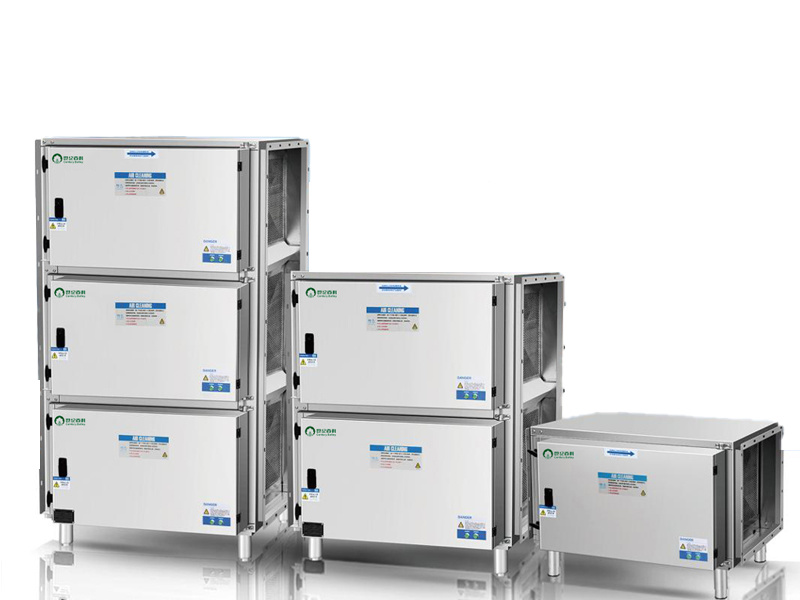
In today’s industrial landscape, maintaining clean air quality is not just a regulatory requirement; it's essential for the health and productivity of employees. **Automatic cleaning purifiers** have emerged as vital tools for businesses looking to enhance indoor air quality without the constant manual intervention. This article delves into the essential features to consider when selecting an automatic cleaning purifier for your business.
Understanding Automatic Cleaning Purifiers
Automatic cleaning purifiers are advanced devices designed to filter and purify air without the need for manual cleaning or frequent maintenance. They utilize various technologies to eliminate pollutants, allergens, and harmful particles from the air, ensuring a healthier work environment.
Key Benefits of Automatic Cleaning Purifiers
1. **Reduced Manual Labor**: One of the primary advantages is the reduced need for manual upkeep. With built-in automatic cleaning mechanisms, these purifiers maintain their efficiency without constant human intervention.
2. **Enhanced Air Quality**: These systems are designed to capture a wide range of airborne contaminants, including dust, smoke, and biological particles, promoting a healthier workplace.
3. **Cost-Effective**: Investing in an automatic cleaning purifier can save money over time by reducing the need for frequent filter replacements and manual cleaning services.
4. **Energy Efficiency**: Many modern purifiers are engineered for low energy consumption, providing effective purification without significantly increasing operational costs.
Key Features to Consider
When selecting an automatic cleaning purifier, several critical features can influence its effectiveness and suitability for your business.
1. Filtration Technology
The type of filtration technology used in an automatic cleaning purifier is paramount. Here are some common types:
- **HEPA Filters**: High Efficiency Particulate Air (HEPA) filters are known for their ability to trap 99.97% of particles that are 0.3 microns or larger. This makes them ideal for environments needing high air quality standards.
- **Activated Carbon Filters**: Effective for eliminating odors and harmful gases, activated carbon filters complement HEPA filters by enhancing overall air quality.
- **UV-C Light Technology**: Some purifiers use UV-C light to neutralize bacteria and viruses, providing an extra layer of protection against airborne pathogens.
2. Automatic Cleaning Mechanism
A crucial aspect of an automatic cleaning purifier is its self-cleaning mechanism. Here are a few systems to consider:
- **Self-Cleaning Filters**: Look for purifiers that have filters capable of self-cleaning, which can significantly reduce the frequency of manual checks and replacements.
- **Automatic Sensor Technology**: Automatic sensors can detect air quality levels and adjust the filtration settings accordingly, ensuring optimal performance without manual adjustments.
3. Coverage Area
Evaluate the purifier's coverage area to ensure it meets the needs of your workspace. Consider the following:
- **Room Size**: Understand the size of the area that needs purification. Automatic cleaning purifiers are available in various sizes, and selecting one suited for your square footage is vital for effective air cleaning.
- **Air Changes Per Hour (ACH)**: This metric indicates how many times the air in a room is replaced in one hour. A higher ACH is preferable for ensuring clean air continuously.
4. Noise Level
For businesses, noise can be a significant distraction. When selecting a purifier, consider:
- **Decibel Ratings**: Look for models with lower decibel ratings to ensure a quieter operation, particularly in environments like offices or libraries.
Installation and Maintenance Considerations
Aside from the features, the installation process and ongoing maintenance are critical to the effectiveness of an automatic cleaning purifier.
1. Installation Requirements
Understanding the installation requirements can save you time and hassle:
- **Power Source**: Ensure that your chosen purifier can be easily connected to your existing power supply.
- **Placement**: Consider where the purifier will be placed for optimal airflow and effectiveness in purifying the air.
2. Maintenance Needs
Even automatic purifiers require some level of maintenance:
- **Filter Replacement**: Check the manufacturer's recommendations on how often filters need to be replaced or cleaned.
- **Regular Checks**: Schedule routine checks to ensure the automatic cleaning functions are working effectively.
Energy Efficiency Ratings
Look for purifiers with **Energy Star certifications** or similar ratings. These certifications indicate that the unit meets energy efficiency standards, helping lower your operational costs while promoting eco-friendly practices.
1. Cost of Operation
Evaluate the total cost of ownership by considering:
- **Electricity Costs**: Understand the power consumption of the purifier. Units that use less electricity can provide significant savings over time.
- **Filter Replacement Costs**: Factor in the costs associated with replacing filters regularly. Some purifiers may have lower initial costs but higher ongoing expenses.
Comparative Analysis of Automatic Cleaning Purifiers
Conduct a comparative analysis of several models to determine which best meets your business needs. Consider creating a comparison chart that includes:
- Filtration technology
- Coverage area
- ACH ratings
- Noise levels
- Cost of operation
This analytical approach can help make an informed decision.
Why Choose an Automatic Cleaning Purifier for Your Business?
Investing in an automatic cleaning purifier provides numerous benefits, including improved employee health, reduced sick days, and increased productivity. Businesses that prioritize air quality often see tangible benefits in employee satisfaction and performance.
1. Improved Employee Health
Clean air is fundamental to employee well-being. By removing allergens and pollutants, businesses can reduce the incidence of respiratory issues and allergies, resulting in a healthier workforce.
2. Enhanced Productivity
When employees breathe clean air, their cognitive functions improve. This can lead to enhanced focus and productivity in the workplace.
FAQs About Automatic Cleaning Purifiers
1. How often should I replace the filters in my automatic cleaning purifier?
The frequency of filter replacement depends on the model and usage. Generally, filters should be changed every 6 to 12 months.
2. Can automatic cleaning purifiers eliminate odors?
Yes, many models equipped with activated carbon filters are effective in neutralizing odors.
3. How much energy do these purifiers consume?
Energy consumption varies by model. Look for energy-efficient models to minimize costs.
4. Are automatic cleaning purifiers effective against COVID-19?
Models with HEPA and UV-C technology can help reduce airborne viruses, including those that cause COVID-19.
5. What is the ideal ACH for office environments?
An ACH of 4 to 6 is generally recommended for offices, ensuring clean air circulation without disruption.
Conclusion
Choosing the right **automatic cleaning purifier** for your business is a critical decision that impacts the health and productivity of your workforce. By considering essential features such as filtration technology, maintenance needs, energy efficiency, and operational costs, we can ensure that the selected air purification system not only meets regulatory requirements but also creates a safe and healthy work environment. Investing in quality air purification will pay dividends in employee satisfaction and overall business success.
More news



Hotline:+86 136 849 29821
Email:13684929821@139.com
Address:No. 6, Junzibubujun Industrial Road, Guanlan, Longhua New District, Shenzhen


