

-
AboutShenzhen Century Bailey Environmental Protection Technology Co., Ltd. (referred to as "Century Bailey") is located by the Guanlan Lake of the World Golf Village, adjacent to the Shanshui Tianyuan Tourism and Culture Park. It is a national high-tech enterprise and a specialized and new enterprise focusing on the research, development, production, and sales of catering industry oil fume purification products.

-
ProductShenzhen Century Bailey Environmental Protection Technology Co., Ltd. (referred to as "Century Bailey") is located by the Guanlan Lake of the World Golf Village, adjacent to the Shanshui Tianyuan Tourism and Culture Park. It is a national high-tech enterprise and a specialized and new enterprise focusing on the research, development, production, and sales of catering industry oil fume purification products.
-
Core AdvantagesShenzhen Century Bailey Environmental Protection Technology Co., Ltd. (referred to as "Century Bailey") is located by the Guanlan Lake of the World Golf Village, adjacent to the Shanshui Tianyuan Tourism and Culture Park. It is a national high-tech enterprise and a specialized and new enterprise focusing on the research, development, production, and sales of catering industry oil fume purification products.
-
CasesShenzhen Century Bailey Environmental Protection Technology Co., Ltd. (referred to as "Century Bailey") is located by the Guanlan Lake of the World Golf Village, adjacent to the Shanshui Tianyuan Tourism and Culture Park. It is a national high-tech enterprise and a specialized and new enterprise focusing on the research, development, production, and sales of catering industry oil fume purification products.
-
Customer serviceShenzhen Century Bailey Environmental Protection Technology Co., Ltd. (referred to as "Century Bailey") is located by the Guanlan Lake of the World Golf Village, adjacent to the Shanshui Tianyuan Tourism and Culture Park. It is a national high-tech enterprise and a specialized and new enterprise focusing on the research, development, production, and sales of catering industry oil fume purification products.
-
ContactShenzhen Century Bailey Environmental Protection Technology Co., Ltd. (referred to as "Century Bailey") is located by the Guanlan Lake of the World Golf Village, adjacent to the Shanshui Tianyuan Tourism and Culture Park. It is a national high-tech enterprise and a specialized and new enterprise focusing on the research, development, production, and sales of catering industry oil fume purification products.
The Role of Low-Altitude Direct Exhaust Fume Purifiers in Reducing Emissions
Release time:
2026-07-08
The Role of Low-Altitude Direct Exhaust Fume Purifiers in Reducing Emissions Table of Contents 1. Introduction to Low-Altitude Direct Exhaust Fume Purifiers 2. Understanding Emissions and Their Impact on Air Quality 3. How Low-Altitude Direct Exhaust Fume Purifiers Work 3.1 Mechanisms of Air Purification 3.2 Types of Fume Purifiers 4. Benefits of Using Low-Altitude Direct Exhaust Fum

The Role of Low-Altitude Direct Exhaust Fume Purifiers in Reducing Emissions
Table of Contents
1. Introduction to Low-Altitude Direct Exhaust Fume Purifiers
2. Understanding Emissions and Their Impact on Air Quality
3. How Low-Altitude Direct Exhaust Fume Purifiers Work
3.1 Mechanisms of Air Purification
3.2 Types of Fume Purifiers
4. Benefits of Using Low-Altitude Direct Exhaust Fume Purifiers
4.1 Environmental Benefits
4.2 Health Benefits
4.3 Economic Advantages
5. Applications in Various Industries
5.1 Food Processing
5.2 Manufacturing
5.3 Automotive
6. Regulatory Compliance and Standards
7. Challenges and Considerations
8. Future Trends in Air Purification Technology
9. Frequently Asked Questions (FAQs)
10. Conclusion
1. Introduction to Low-Altitude Direct Exhaust Fume Purifiers
In recent years, air quality has emerged as a pressing global concern, particularly in industrial sectors where emissions can significantly impact public health and the environment. **Low-altitude direct exhaust fume purifiers** are innovative solutions designed to address these challenges. These systems not only capture and neutralize harmful emissions but also enhance air quality by ensuring that pollutants are effectively managed at their source.
2. Understanding Emissions and Their Impact on Air Quality
Emissions from industrial processes can include a wide range of harmful substances, such as volatile organic compounds (VOCs), particulate matter, and greenhouse gases. These pollutants can have detrimental effects on both human health and the environment, contributing to respiratory diseases, environmental degradation, and climate change.
Research indicates that exposure to high levels of emissions can lead to serious health complications, particularly in vulnerable populations. As industries continue to grow, the demand for effective emission control technologies becomes increasingly critical.
3. How Low-Altitude Direct Exhaust Fume Purifiers Work
Low-altitude direct exhaust fume purifiers operate on the principle of capturing and treating airborne pollutants before they enter the atmosphere. These systems utilize advanced filtration and separation technologies to reduce emissions at their source.
3.1 Mechanisms of Air Purification
The purification process typically involves several stages, including:
- **Pre-filtration:** Initial capture of larger particles to prevent clogging of downstream filters.
- **Chemical treatment:** Use of chemical reactions to neutralize harmful gases and VOCs.
- **HEPA filtration:** High-Efficiency Particulate Air (HEPA) filters capture fine particulate matter, ensuring that only clean air is released.
3.2 Types of Fume Purifiers
There are various types of low-altitude direct exhaust fume purifiers available, including:
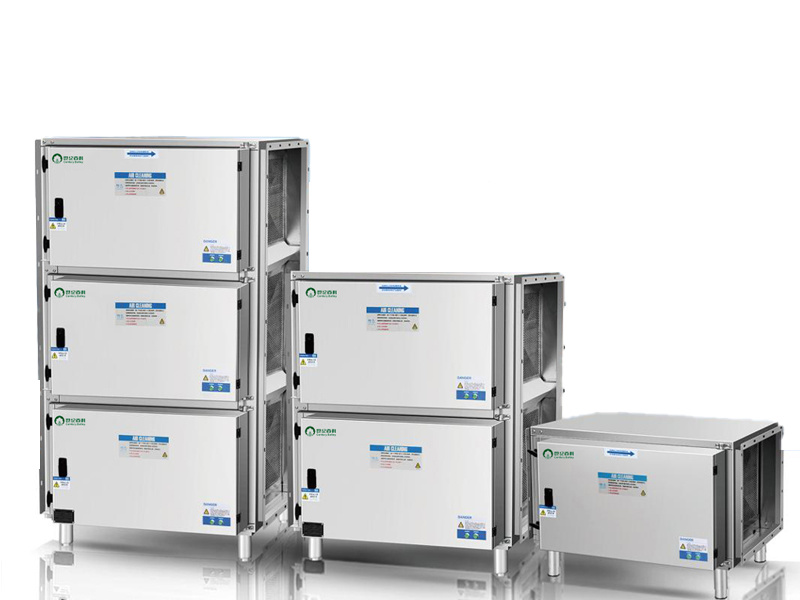
- **Wet scrubbers:** Utilize a liquid solution to capture and neutralize gases.
- **Electrostatic precipitators:** Use electrical charges to capture particulate matter.
- **Activated carbon filters:** Adsorb VOCs and other harmful gases, providing a high level of air purification.
4. Benefits of Using Low-Altitude Direct Exhaust Fume Purifiers
Implementing low-altitude direct exhaust fume purifiers offers numerous advantages for industries aiming to minimize their environmental footprint.
4.1 Environmental Benefits
By reducing the amount of harmful emissions released into the atmosphere, these purifiers contribute to cleaner air and a healthier ecosystem. This reduction in emissions can also help industries comply with increasingly stringent environmental regulations.
4.2 Health Benefits
The health benefits of using fume purifiers extend beyond regulatory compliance. By improving air quality, industries can protect the health of their employees and surrounding communities, reducing the risk of respiratory illnesses and other health issues associated with air pollution.
4.3 Economic Advantages
Investing in air purification technology can lead to long-term cost savings. Reduced emissions may lower operating costs by minimizing waste and energy consumption, while also decreasing potential fines associated with non-compliance with environmental regulations.
5. Applications in Various Industries
Low-altitude direct exhaust fume purifiers find applications across a wide range of industries, enhancing air quality and reducing emissions in diverse settings.
5.1 Food Processing
In the food processing industry, these purifiers play a crucial role in managing emissions from cooking processes, ensuring that odors and harmful particles are effectively removed from the air.
5.2 Manufacturing
Manufacturing facilities can benefit significantly from low-altitude direct exhaust fume purifiers, particularly in operations involving welding, painting, and machining, where emissions are a common concern.
5.3 Automotive
In the automotive industry, these systems are used to reduce emissions from paint booths and exhaust systems, ensuring compliance with environmental standards while improving workplace safety.
6. Regulatory Compliance and Standards
As environmental regulations become more stringent globally, industries must ensure compliance with various standards regarding emissions. Low-altitude direct exhaust fume purifiers can help organizations adhere to these regulations, reducing the risk of fines and enhancing their reputation as environmentally responsible businesses.
7. Challenges and Considerations
While the benefits of low-altitude direct exhaust fume purifiers are significant, there are also challenges to consider. Selecting the right technology for specific applications, ongoing maintenance, and initial capital investment can all impact the effectiveness of emission reduction strategies.
8. Future Trends in Air Purification Technology
The air purification technology landscape is continuously evolving, with innovations aimed at enhancing the efficiency and effectiveness of fume purifiers. Future trends may include the integration of IoT technologies for real-time monitoring and data collection, as well as advancements in filter materials that offer greater durability and performance.
9. Frequently Asked Questions (FAQs)
**Q1: What types of pollutants can low-altitude direct exhaust fume purifiers remove?**
A: These purifiers can effectively remove volatile organic compounds (VOCs), particulate matter, odors, and other harmful gases from industrial emissions.
**Q2: How often should the filters in these systems be replaced?**
A: The replacement frequency depends on the specific application and usage conditions, but regular maintenance is essential to ensure optimal performance.
**Q3: Are low-altitude direct exhaust fume purifiers expensive to operate?**
A: While there is an initial investment, these systems can lead to long-term savings by reducing emissions, minimizing waste, and ensuring compliance with regulations.
**Q4: Can these purifiers be retrofitted into existing systems?**
A: Many low-altitude direct exhaust fume purifiers can be integrated into existing industrial setups, providing a cost-effective solution for improving air quality.
**Q5: What is the return on investment for deploying these systems?**
A: The ROI can vary based on several factors, including emissions reduction, regulatory compliance, and operational efficiency improvements. Many industries see significant long-term savings.
10. Conclusion
Low-altitude direct exhaust fume purifiers represent a vital advancement in the quest for cleaner air and reduced emissions in industrial environments. By capturing harmful pollutants at their source, these systems not only enhance air quality but also promote a healthier environment and ensure compliance with increasingly stringent regulations. As industries continue to prioritize sustainability, the adoption of these innovative air purification technologies will play a critical role in shaping a cleaner, safer future for all.
More news



Hotline:+86 136 849 29821
Email:13684929821@139.com
Address:No. 6, Junzibubujun Industrial Road, Guanlan, Longhua New District, Shenzhen


