

-
AboutShenzhen Century Bailey Environmental Protection Technology Co., Ltd. (referred to as "Century Bailey") is located by the Guanlan Lake of the World Golf Village, adjacent to the Shanshui Tianyuan Tourism and Culture Park. It is a national high-tech enterprise and a specialized and new enterprise focusing on the research, development, production, and sales of catering industry oil fume purification products.
-
ProductShenzhen Century Bailey Environmental Protection Technology Co., Ltd. (referred to as "Century Bailey") is located by the Guanlan Lake of the World Golf Village, adjacent to the Shanshui Tianyuan Tourism and Culture Park. It is a national high-tech enterprise and a specialized and new enterprise focusing on the research, development, production, and sales of catering industry oil fume purification products.
-
Core AdvantagesShenzhen Century Bailey Environmental Protection Technology Co., Ltd. (referred to as "Century Bailey") is located by the Guanlan Lake of the World Golf Village, adjacent to the Shanshui Tianyuan Tourism and Culture Park. It is a national high-tech enterprise and a specialized and new enterprise focusing on the research, development, production, and sales of catering industry oil fume purification products.
-
CasesShenzhen Century Bailey Environmental Protection Technology Co., Ltd. (referred to as "Century Bailey") is located by the Guanlan Lake of the World Golf Village, adjacent to the Shanshui Tianyuan Tourism and Culture Park. It is a national high-tech enterprise and a specialized and new enterprise focusing on the research, development, production, and sales of catering industry oil fume purification products.
-
Customer serviceShenzhen Century Bailey Environmental Protection Technology Co., Ltd. (referred to as "Century Bailey") is located by the Guanlan Lake of the World Golf Village, adjacent to the Shanshui Tianyuan Tourism and Culture Park. It is a national high-tech enterprise and a specialized and new enterprise focusing on the research, development, production, and sales of catering industry oil fume purification products.
-
ContactShenzhen Century Bailey Environmental Protection Technology Co., Ltd. (referred to as "Century Bailey") is located by the Guanlan Lake of the World Golf Village, adjacent to the Shanshui Tianyuan Tourism and Culture Park. It is a national high-tech enterprise and a specialized and new enterprise focusing on the research, development, production, and sales of catering industry oil fume purification products.
Understanding the Importance of Combined Fume Purifiers in Industrial Air Quality Management
Release time:
2026-07-05
In today’s industrial landscape, managing air quality is paramount, and one effective solution is the use of combined fume purifiers. These devices are designed to eliminate various pollutants, including smoke, odors, and harmful particles, ensuring that the air in industrial settings is safe for workers and compliant with environmental regulations. Combined fume purifiers are versatile systems th

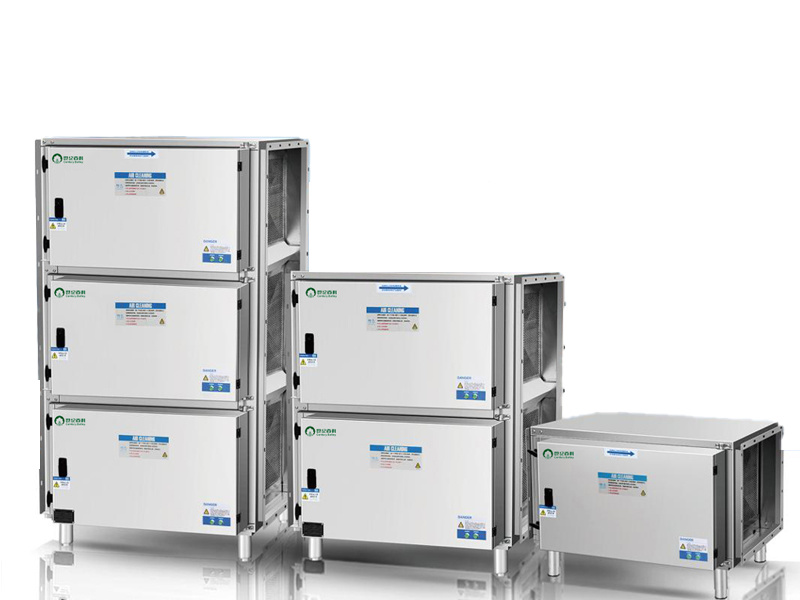
In today’s industrial landscape, managing air quality is paramount, and one effective solution is the use of combined fume purifiers. These devices are designed to eliminate various pollutants, including smoke, odors, and harmful particles, ensuring that the air in industrial settings is safe for workers and compliant with environmental regulations.
Combined fume purifiers are versatile systems that integrate multiple purification technologies, such as electrostatic precipitation, activated carbon filtration, and UV light treatment. This combination allows them to tackle a wider range of contaminants than traditional systems that rely on a single method. For instance, while electrostatic precipitation is excellent for capturing particulate matter like dust and smoke, activated carbon filters are adept at removing volatile organic compounds (VOCs) and unpleasant odors. By utilizing a multi-faceted approach, combined fume purifiers significantly enhance the overall efficiency of the air purification process.
One of the standout features of these purifiers is their ability to adapt to various industrial applications. Whether used in kitchens, manufacturing plants, or laboratories, combined fume purifiers can be tailored to meet specific air quality needs. This adaptability is crucial, as different environments generate different types of fumes and contaminants. For example, restaurants may experience high levels of grease and smoke, while factories could emit gases and chemical vapors. The capability to address diverse pollutants makes combined fume purifiers an invaluable asset in maintaining air quality across various sectors.
Moreover, the implementation of combined fume purifiers can lead to significant health benefits for workers. Poor air quality in industrial settings is linked to respiratory issues, skin problems, and other health concerns. By reducing exposure to harmful substances, businesses not only protect their employees but also foster a more productive workplace. A clean air environment can lead to fewer sick days, enhanced employee morale, and improved overall efficiency.
In addition to health benefits, using combined fume purifiers can result in cost savings for businesses. While the initial investment in advanced purification technology may be higher than conventional systems, the long-term savings associated with better air quality, reduced health care costs, and compliance with regulations can outweigh these costs. Furthermore, maintaining a safe working environment can mitigate the risk of fines and penalties related to environmental regulations.
In conclusion, combined fume purifiers represent a crucial advancement in industrial air quality management. By employing a variety of purification techniques, these devices effectively address the diverse challenges posed by industrial pollutants. As industries continue to prioritize employee health and regulatory compliance, the adoption of combined fume purifiers is set to rise, paving the way for safer and cleaner work environments.
Combined fume purifiers are versatile systems that integrate multiple purification technologies, such as electrostatic precipitation, activated carbon filtration, and UV light treatment. This combination allows them to tackle a wider range of contaminants than traditional systems that rely on a single method. For instance, while electrostatic precipitation is excellent for capturing particulate matter like dust and smoke, activated carbon filters are adept at removing volatile organic compounds (VOCs) and unpleasant odors. By utilizing a multi-faceted approach, combined fume purifiers significantly enhance the overall efficiency of the air purification process.
One of the standout features of these purifiers is their ability to adapt to various industrial applications. Whether used in kitchens, manufacturing plants, or laboratories, combined fume purifiers can be tailored to meet specific air quality needs. This adaptability is crucial, as different environments generate different types of fumes and contaminants. For example, restaurants may experience high levels of grease and smoke, while factories could emit gases and chemical vapors. The capability to address diverse pollutants makes combined fume purifiers an invaluable asset in maintaining air quality across various sectors.
Moreover, the implementation of combined fume purifiers can lead to significant health benefits for workers. Poor air quality in industrial settings is linked to respiratory issues, skin problems, and other health concerns. By reducing exposure to harmful substances, businesses not only protect their employees but also foster a more productive workplace. A clean air environment can lead to fewer sick days, enhanced employee morale, and improved overall efficiency.
In addition to health benefits, using combined fume purifiers can result in cost savings for businesses. While the initial investment in advanced purification technology may be higher than conventional systems, the long-term savings associated with better air quality, reduced health care costs, and compliance with regulations can outweigh these costs. Furthermore, maintaining a safe working environment can mitigate the risk of fines and penalties related to environmental regulations.
In conclusion, combined fume purifiers represent a crucial advancement in industrial air quality management. By employing a variety of purification techniques, these devices effectively address the diverse challenges posed by industrial pollutants. As industries continue to prioritize employee health and regulatory compliance, the adoption of combined fume purifiers is set to rise, paving the way for safer and cleaner work environments.
More news



Hotline:+86 136 849 29821
Email:13684929821@139.com
Address:No. 6, Junzibubujun Industrial Road, Guanlan, Longhua New District, Shenzhen


