

-
AboutShenzhen Century Bailey Environmental Protection Technology Co., Ltd. (referred to as "Century Bailey") is located by the Guanlan Lake of the World Golf Village, adjacent to the Shanshui Tianyuan Tourism and Culture Park. It is a national high-tech enterprise and a specialized and new enterprise focusing on the research, development, production, and sales of catering industry oil fume purification products.

-
ProductShenzhen Century Bailey Environmental Protection Technology Co., Ltd. (referred to as "Century Bailey") is located by the Guanlan Lake of the World Golf Village, adjacent to the Shanshui Tianyuan Tourism and Culture Park. It is a national high-tech enterprise and a specialized and new enterprise focusing on the research, development, production, and sales of catering industry oil fume purification products.
-
Core AdvantagesShenzhen Century Bailey Environmental Protection Technology Co., Ltd. (referred to as "Century Bailey") is located by the Guanlan Lake of the World Golf Village, adjacent to the Shanshui Tianyuan Tourism and Culture Park. It is a national high-tech enterprise and a specialized and new enterprise focusing on the research, development, production, and sales of catering industry oil fume purification products.
-
CasesShenzhen Century Bailey Environmental Protection Technology Co., Ltd. (referred to as "Century Bailey") is located by the Guanlan Lake of the World Golf Village, adjacent to the Shanshui Tianyuan Tourism and Culture Park. It is a national high-tech enterprise and a specialized and new enterprise focusing on the research, development, production, and sales of catering industry oil fume purification products.
-
Customer serviceShenzhen Century Bailey Environmental Protection Technology Co., Ltd. (referred to as "Century Bailey") is located by the Guanlan Lake of the World Golf Village, adjacent to the Shanshui Tianyuan Tourism and Culture Park. It is a national high-tech enterprise and a specialized and new enterprise focusing on the research, development, production, and sales of catering industry oil fume purification products.
-
ContactShenzhen Century Bailey Environmental Protection Technology Co., Ltd. (referred to as "Century Bailey") is located by the Guanlan Lake of the World Golf Village, adjacent to the Shanshui Tianyuan Tourism and Culture Park. It is a national high-tech enterprise and a specialized and new enterprise focusing on the research, development, production, and sales of catering industry oil fume purification products.

Evaluating the Long-Term Benefits of High-Volume Oil Fume Purifiers
Release time:
2026-07-02
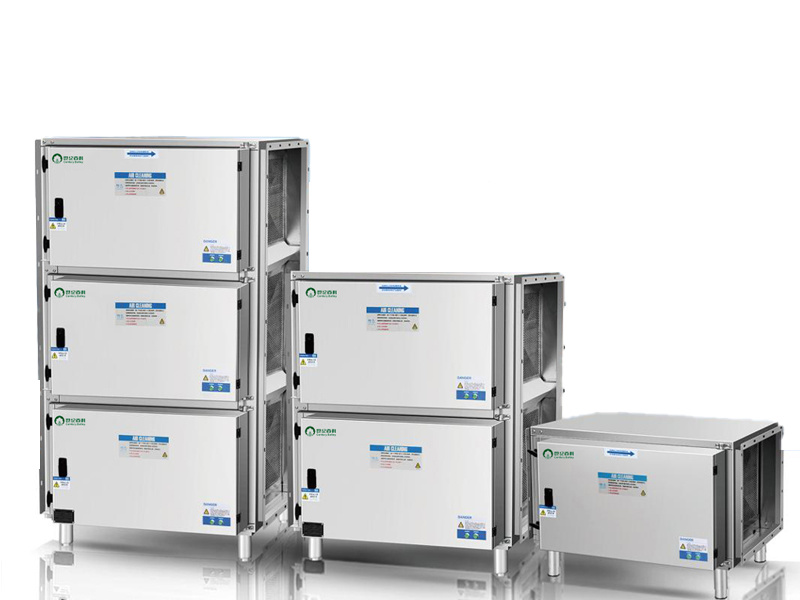
Evaluating the Long-Term Benefits of High-Volume Oil Fume Purifiers Introduction to High-Volume Oil Fume Purifiers In today’s industrial landscape, the significance of maintaining clean air cannot be overstated. High-volume oil fume purifiers play a crucial role in ensuring that harmful emissions from industrial processes are minimized. These advanced systems not only improve air quality but also

Evaluating the Long-Term Benefits of High-Volume Oil Fume Purifiers
Introduction to High-Volume Oil Fume Purifiers
In today’s industrial landscape, the significance of maintaining clean air cannot be overstated. High-volume oil fume purifiers play a crucial role in ensuring that harmful emissions from industrial processes are minimized. These advanced systems not only improve air quality but also contribute to compliance with environmental regulations, ensuring that businesses operate sustainably. In this article, we will explore the long-term benefits of high-volume oil fume purifiers, detailing their efficiency, cost-effectiveness, and impact on workplace safety.
The Importance of Air Quality in Industrial Settings
Air quality is a critical concern for industries that deal with oil and other volatile substances. Poor air quality can lead to a range of health issues for employees, including respiratory problems and long-term diseases. Moreover, non-compliance with air quality regulations can result in hefty fines and damage to a company's reputation. Implementing high-volume oil fume purifiers is an effective strategy to tackle these challenges head-on.
Understanding Oil Fume Emissions
Oil fume emissions are a byproduct of various industrial activities, especially in sectors such as manufacturing, automotive, and food processing. These emissions consist of tiny particles and volatile organic compounds (VOCs) that can be hazardous to human health and the environment. Effective removal of these pollutants is where high-volume oil fume purifiers come into play.
The Mechanism of High-Volume Oil Fume Purifiers
High-volume oil fume purifiers utilize advanced filtration technologies to capture airborne particles and gases. These systems are designed to handle large volumes of air, making them ideal for industrial settings where emissions can be substantial. Typically, these purifiers employ a combination of mechanical filters, electrostatic precipitators, and activated carbon filters to maximize efficiency.
Key Benefits of High-Volume Oil Fume Purifiers
Understanding the benefits of high-volume oil fume purifiers can help organizations appreciate the value they bring to industrial operations. Here are the most notable advantages:
1. Enhanced Air Quality
One of the primary benefits of high-volume oil fume purifiers is their ability to significantly improve air quality. By effectively removing harmful particles and VOCs, these systems create a healthier work environment. Employees are less likely to experience respiratory issues, leading to higher morale and productivity.
2. Compliance with Regulatory Standards
Regulatory bodies impose strict guidelines on air quality and emissions for industrial operations. High-volume oil fume purifiers help businesses comply with these regulations, avoiding potential fines and legal issues. Proactive adherence to environmental regulations also enhances a company’s reputation.
3. Cost-Effectiveness in the Long Run
While the initial investment in high-volume oil fume purifiers may seem significant, the long-term savings can be substantial. These systems reduce operational costs by minimizing equipment wear and tear caused by airborne contaminants. Additionally, improved employee health can lead to decreased healthcare costs and reduced absenteeism.
4. Versatility and Adaptability
High-volume oil fume purifiers are versatile and can be tailored to meet the specific needs of different industries. Whether in automotive manufacturing, food processing, or any other sector, these systems can be customized to handle various types of emissions, ensuring optimal performance across different environments.
5. Environmental Sustainability
Investing in high-volume oil fume purifiers is a step towards environmental sustainability. By reducing harmful emissions, businesses contribute to a cleaner environment and demonstrate corporate responsibility. This commitment can enhance brand loyalty and attract environmentally-conscious customers.
Factors to Consider When Choosing High-Volume Oil Fume Purifiers
Choosing the right high-volume oil fume purifier for your industrial operations requires careful consideration. Here are essential factors to keep in mind:
1. Airflow Requirements
Evaluate the airflow requirements based on the size of your facility and the volume of emissions produced. This will help you select a purifier that can efficiently handle the air quality needs of your operations.
2. Filtration Technology
Different purifiers utilize various filtration technologies. Understanding the differences between mechanical filters, electrostatic precipitators, and activated carbon filters can help you make an informed decision based on your specific requirements.
3. Maintenance and Service
Consider the maintenance needs of the purifiers. Choose a model that is easy to maintain and comes with reliable service support. Regular maintenance is critical for ensuring long-term performance and efficiency.
4. Energy Efficiency
Look for high-volume oil fume purifiers that are energy-efficient. These systems can help reduce energy consumption and lower operational costs over time.
5. Cost of Ownership
The total cost of ownership is an important consideration. Assess not only the initial purchase price but also the ongoing maintenance, energy costs, and potential savings from improved employee health and compliance.
Real-World Applications and Case Studies
To illustrate the effectiveness of high-volume oil fume purifiers, let’s examine a few real-world applications and case studies.
1. Automotive Manufacturing
In an automotive manufacturing plant, the use of high-volume oil fume purifiers resulted in a 75% reduction in airborne contaminants. This not only improved air quality but also led to a significant decrease in employee health complaints, thereby increasing productivity.
2. Food Processing Industry
A food processing facility that implemented high-volume oil fume purifiers was able to comply with strict food safety regulations. The purifiers effectively removed oil fume emissions, ensuring that the air quality met the standards required for food safety.
3. Metal Fabrication
In a metal fabrication workshop, high-volume oil fume purifiers helped reduce the risk of fire hazards associated with oil fumes. The implementation of these systems not only improved safety but also enhanced overall operational efficiency.
Maintenance Best Practices for High-Volume Oil Fume Purifiers
To ensure the longevity and effectiveness of high-volume oil fume purifiers, regular maintenance is essential. Here are some best practices:
1. Regular Filter Replacement
Filters should be replaced according to the manufacturer's recommendations to maintain optimal performance. Clogged filters can hinder airflow and reduce purification efficiency.
2. Routine Inspections
Conduct routine inspections of the purification system. Look for signs of wear and tear and address any issues promptly to prevent costly repairs.
3. Cleaning Procedures
Establish a cleaning schedule for the purifier’s components. Regular cleaning helps maintain efficiency and prolong the life of the equipment.
4. Monitoring Performance
Use monitoring systems to track the performance of high-volume oil fume purifiers. This data can help identify when maintenance is needed and ensure that the system is operating at peak efficiency.
Frequently Asked Questions (FAQs)
1. What is a high-volume oil fume purifier?
A high-volume oil fume purifier is an advanced filtration system designed to remove harmful oil fumes and particulate matter from industrial air, ensuring cleaner air quality.
2. How does a high-volume oil fume purifier work?
These purifiers utilize a combination of mechanical and electrostatic filtration technologies to capture particles and gases, ensuring effective air purification in industrial environments.
3. What are the primary benefits of using high-volume oil fume purifiers?
The primary benefits include enhanced air quality, compliance with regulations, cost-effectiveness, versatility, and contributions to environmental sustainability.
4. How often should I maintain my oil fume purifier?
Maintenance frequency depends on the model and usage conditions, but regular inspections and filter replacements are generally recommended every six months.
5. Are high-volume oil fume purifiers energy-efficient?
Yes, many high-volume oil fume purifiers are designed to be energy-efficient, helping to reduce operational costs over the long term.
Conclusion
The long-term benefits of high-volume oil fume purifiers in industrial settings are undeniable. From improving air quality and ensuring regulatory compliance to providing cost-effective solutions and enhancing workplace safety, these systems are essential for modern industrial operations. Investing in high-volume oil fume purifiers not only protects the health and well-being of employees but also strengthens a company’s commitment to environmental sustainability. By understanding their advantages and implementing best practices for maintenance, organizations can reap the rewards of cleaner air for years to come.
More news



Hotline:+86 136 849 29821
Email:13684929821@139.com
Address:No. 6, Junzibubujun Industrial Road, Guanlan, Longhua New District, Shenzhen


