

-
AboutShenzhen Century Bailey Environmental Protection Technology Co., Ltd. (referred to as "Century Bailey") is located by the Guanlan Lake of the World Golf Village, adjacent to the Shanshui Tianyuan Tourism and Culture Park. It is a national high-tech enterprise and a specialized and new enterprise focusing on the research, development, production, and sales of catering industry oil fume purification products.

-
ProductShenzhen Century Bailey Environmental Protection Technology Co., Ltd. (referred to as "Century Bailey") is located by the Guanlan Lake of the World Golf Village, adjacent to the Shanshui Tianyuan Tourism and Culture Park. It is a national high-tech enterprise and a specialized and new enterprise focusing on the research, development, production, and sales of catering industry oil fume purification products.
-
Core AdvantagesShenzhen Century Bailey Environmental Protection Technology Co., Ltd. (referred to as "Century Bailey") is located by the Guanlan Lake of the World Golf Village, adjacent to the Shanshui Tianyuan Tourism and Culture Park. It is a national high-tech enterprise and a specialized and new enterprise focusing on the research, development, production, and sales of catering industry oil fume purification products.
-
CasesShenzhen Century Bailey Environmental Protection Technology Co., Ltd. (referred to as "Century Bailey") is located by the Guanlan Lake of the World Golf Village, adjacent to the Shanshui Tianyuan Tourism and Culture Park. It is a national high-tech enterprise and a specialized and new enterprise focusing on the research, development, production, and sales of catering industry oil fume purification products.
-
Customer serviceShenzhen Century Bailey Environmental Protection Technology Co., Ltd. (referred to as "Century Bailey") is located by the Guanlan Lake of the World Golf Village, adjacent to the Shanshui Tianyuan Tourism and Culture Park. It is a national high-tech enterprise and a specialized and new enterprise focusing on the research, development, production, and sales of catering industry oil fume purification products.
-
ContactShenzhen Century Bailey Environmental Protection Technology Co., Ltd. (referred to as "Century Bailey") is located by the Guanlan Lake of the World Golf Village, adjacent to the Shanshui Tianyuan Tourism and Culture Park. It is a national high-tech enterprise and a specialized and new enterprise focusing on the research, development, production, and sales of catering industry oil fume purification products.

The Science Behind Dynamic Fume Purifiers and Air Quality Improvement
Release time:
2026-06-26
The Science Behind Dynamic Fume Purifiers and Air Quality Improvement Table of Contents 1. Introduction to Dynamic Fume Purifiers 2. Understanding Air Quality and Its Importance 3. How Dynamic Fume Purifiers Work 3.1 The Technology Behind Dynamic Filtration 3.2 Key Components of Fume Purifiers 4. Benefits of Using Dynamic Fume Purifiers 4.1 Health Benefits 4.2 Environmental Impact 5. Dynamic Fume

The Science Behind Dynamic Fume Purifiers and Air Quality Improvement
Table of Contents
1. Introduction to Dynamic Fume Purifiers
2. Understanding Air Quality and Its Importance
3. How Dynamic Fume Purifiers Work
3.1 The Technology Behind Dynamic Filtration
3.2 Key Components of Fume Purifiers
4. Benefits of Using Dynamic Fume Purifiers
4.1 Health Benefits
4.2 Environmental Impact
5. Dynamic Fume Purifiers vs. Traditional Air Filtration Systems
6. Applications of Dynamic Fume Purifiers in Various Industries
7. Best Practices for Implementing Fume Purification Systems
8. FAQs About Dynamic Fume Purifiers
9. Conclusion: The Future of Air Quality Improvement
1. Introduction to Dynamic Fume Purifiers
Dynamic fume purifiers represent a significant advancement in industrial air quality management. Designed to effectively eliminate airborne contaminants, these systems play a crucial role in maintaining a safe and healthy environment. By employing innovative technologies, dynamic fume purifiers can capture and neutralize harmful particles and gases generated by various industrial processes.
The importance of air quality cannot be overstated. Poor air quality can lead to severe health risks and environmental concerns. Therefore, understanding the mechanisms and benefits of dynamic fume purifiers is vital for any industry reliant on mechanical processes that generate fumes and particulates.
2. Understanding Air Quality and Its Importance
Air quality refers to the condition of the air within our environments, particularly in relation to the amount of pollutants it contains. It is a crucial factor for both health and environmental sustainability. Poor air quality can result in respiratory diseases, allergies, and even long-term health complications, such as cardiovascular diseases.
In industrial settings, the presence of volatile organic compounds (VOCs), particulate matter, and other hazardous emissions can significantly degrade air quality. As such, industries are increasingly focused on improving air quality as part of their operational responsibilities, aligning with regulatory standards and promoting worker health.
3. How Dynamic Fume Purifiers Work
Dynamic fume purifiers utilize advanced filtration technologies to capture and neutralize harmful emissions. Unlike static air filtration systems, which simply filter particles from the air, dynamic purifiers actively engage with the air stream, providing a more efficient air cleansing method.
3.1 The Technology Behind Dynamic Filtration
Dynamic filtration technology incorporates various mechanisms, such as electrostatic precipitation, activated carbon adsorption, and ultraviolet light treatment. These technologies work in tandem to effectively remove different types of pollutants from the air.
Electrostatic precipitation uses charged plates to attract and collect particulate matter, while activated carbon filters adsorb harmful gases and odors. Ultraviolet light treatment can further break down VOCs and pathogens, ensuring a comprehensive purification process.
3.2 Key Components of Fume Purifiers
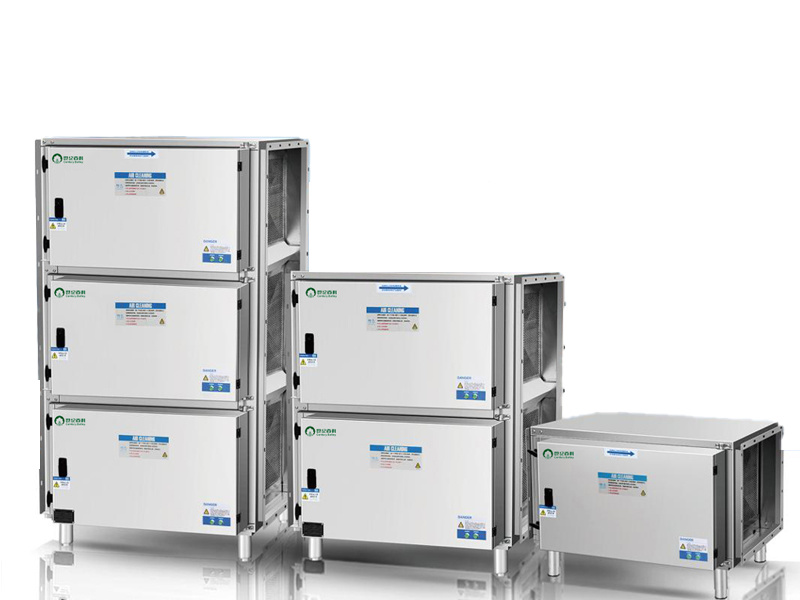
A typical dynamic fume purifier consists of several key components:
- **Pre-Filters**: These capture larger particles, extending the life of the main filter.
- **Main Filters**: These are designed to remove smaller particulate matter and harmful gases using advanced filtration methods.
- **Blower System**: This system circulates air through the unit, ensuring maximum contact with the filters.
- **Control System**: Modern fume purifiers often incorporate smart technology that allows for real-time monitoring and adjustments to optimize performance.
4. Benefits of Using Dynamic Fume Purifiers
The implementation of dynamic fume purifiers offers numerous benefits, enhancing not only workplace safety but also overall operational efficiency.
4.1 Health Benefits
Dynamic fume purifiers significantly reduce the presence of harmful airborne particles, thereby lowering the risk of respiratory issues, allergies, and other health problems for employees. Cleaner air contributes to better overall health, leading to increased productivity and reduced absenteeism.
4.2 Environmental Impact
By effectively removing harmful emissions from industrial processes, dynamic fume purifiers help industries comply with environmental regulations. This minimizes their ecological footprint and promotes sustainability. Moreover, cleaner emissions contribute to better air quality in surrounding communities.
5. Dynamic Fume Purifiers vs. Traditional Air Filtration Systems
Dynamic fume purifiers stand apart from traditional air filtration systems in several key ways. While traditional systems may rely solely on passive filtration, dynamic systems actively engage with pollutants, resulting in higher efficiency and effectiveness.
Dynamic systems typically have lower operational costs over time due to reduced maintenance needs and fewer filter replacements. Additionally, they often provide advanced monitoring capabilities, allowing for proactive management of air quality.
6. Applications of Dynamic Fume Purifiers in Various Industries
Dynamic fume purifiers find applications across diverse sectors, including:
- **Manufacturing**: Capturing emissions from welding, painting, and chemical processing.
- **Food Processing**: Eliminating odors and airborne contaminants in food production environments.
- **Healthcare**: Improving air quality in hospitals and clinics to protect patient health.
- **Automotive**: Removing harmful fumes from paint booths and assembly lines.
Each of these applications highlights the versatility and necessity of dynamic fume purifiers in maintaining air quality.
7. Best Practices for Implementing Fume Purification Systems
To maximize the effectiveness of dynamic fume purifiers, industries should follow best practices for implementation:
- **Conduct Air Quality Assessments**: Understanding the specific contaminants present in the work environment is crucial for selecting the right purifier system.
- **Regular Maintenance**: Establish a routine maintenance schedule to ensure optimal performance and longevity of the purification system.
- **Employee Training**: Educate employees on the importance of air quality and the role of fume purifiers, fostering a culture of health and safety.
8. FAQs About Dynamic Fume Purifiers
1. What are dynamic fume purifiers?
Dynamic fume purifiers are advanced air filtration systems designed to capture and neutralize airborne contaminants generated from industrial processes.
2. How do dynamic fume purifiers differ from traditional air filters?
Dynamic purifiers actively engage with air pollutants, providing higher efficiency through technologies like electrostatic precipitation and activated carbon adsorption, unlike traditional filters that passively collect particles.
3. What industries benefit from dynamic fume purifiers?
Industries such as manufacturing, food processing, healthcare, and automotive are among the primary sectors that benefit from the installation of dynamic fume purifiers.
4. Are dynamic fume purifiers environmentally friendly?
Yes, by reducing harmful emissions and improving air quality, dynamic fume purifiers help industries comply with environmental regulations and contribute to a cleaner environment.
5. How often should dynamic fume purifiers be maintained?
Regular maintenance is crucial and should typically be conducted every 6 to 12 months, depending on the usage and manufacturer recommendations, to ensure optimal performance.
9. Conclusion: The Future of Air Quality Improvement
The science behind dynamic fume purifiers is a testament to the innovative strides being made in air quality management. As industries continue to evolve and prioritize health and environmental responsibility, dynamic fume purifiers will play an increasingly integral role.
By understanding their operation, benefits, and applications, businesses can make informed decisions that not only protect their employees but also contribute to a sustainable future. Investing in these systems is not merely a compliance measure; it is a commitment to the health of individuals and the planet alike. Cleaner air is attainable, and dynamic fume purifiers are leading the charge towards that goal.
More news



Hotline:+86 136 849 29821
Email:13684929821@139.com
Address:No. 6, Junzibubujun Industrial Road, Guanlan, Longhua New District, Shenzhen


