

-
AboutShenzhen Century Bailey Environmental Protection Technology Co., Ltd. (referred to as "Century Bailey") is located by the Guanlan Lake of the World Golf Village, adjacent to the Shanshui Tianyuan Tourism and Culture Park. It is a national high-tech enterprise and a specialized and new enterprise focusing on the research, development, production, and sales of catering industry oil fume purification products.
-
ProductShenzhen Century Bailey Environmental Protection Technology Co., Ltd. (referred to as "Century Bailey") is located by the Guanlan Lake of the World Golf Village, adjacent to the Shanshui Tianyuan Tourism and Culture Park. It is a national high-tech enterprise and a specialized and new enterprise focusing on the research, development, production, and sales of catering industry oil fume purification products.
-
Core AdvantagesShenzhen Century Bailey Environmental Protection Technology Co., Ltd. (referred to as "Century Bailey") is located by the Guanlan Lake of the World Golf Village, adjacent to the Shanshui Tianyuan Tourism and Culture Park. It is a national high-tech enterprise and a specialized and new enterprise focusing on the research, development, production, and sales of catering industry oil fume purification products.
-
CasesShenzhen Century Bailey Environmental Protection Technology Co., Ltd. (referred to as "Century Bailey") is located by the Guanlan Lake of the World Golf Village, adjacent to the Shanshui Tianyuan Tourism and Culture Park. It is a national high-tech enterprise and a specialized and new enterprise focusing on the research, development, production, and sales of catering industry oil fume purification products.
-
Customer serviceShenzhen Century Bailey Environmental Protection Technology Co., Ltd. (referred to as "Century Bailey") is located by the Guanlan Lake of the World Golf Village, adjacent to the Shanshui Tianyuan Tourism and Culture Park. It is a national high-tech enterprise and a specialized and new enterprise focusing on the research, development, production, and sales of catering industry oil fume purification products.
-
ContactShenzhen Century Bailey Environmental Protection Technology Co., Ltd. (referred to as "Century Bailey") is located by the Guanlan Lake of the World Golf Village, adjacent to the Shanshui Tianyuan Tourism and Culture Park. It is a national high-tech enterprise and a specialized and new enterprise focusing on the research, development, production, and sales of catering industry oil fume purification products.
Understanding Low-Altitude Direct Exhaust Fume Purifiers: An Essential Tool for Air Quality Management
Release time:
2026-05-24
Low-altitude direct exhaust fume purifiers are critical components in industrial environments where air pollution from exhaust fumes poses a significant challenge. These devices are designed to effectively capture and neutralize harmful pollutants emitted during various industrial processes, particularly those involving the combustion of fuels, cooking oils, or chemical reactions. By understanding

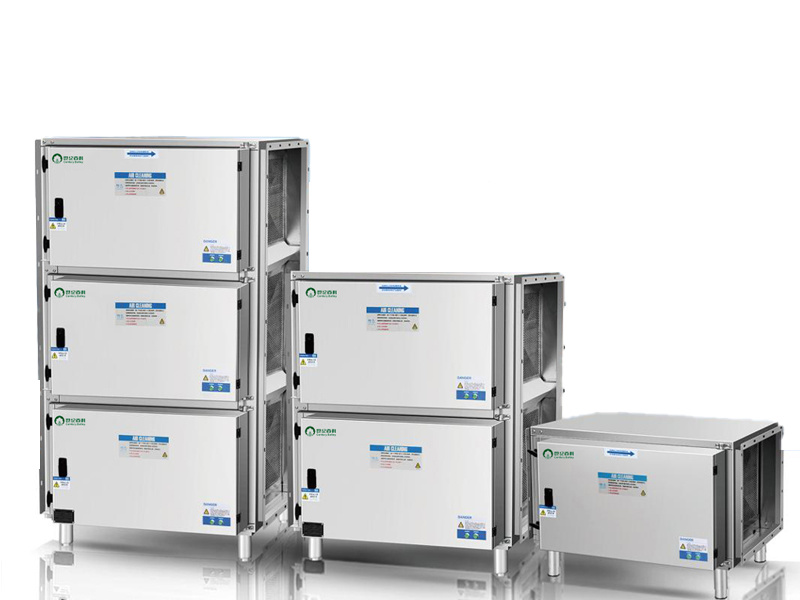
Low-altitude direct exhaust fume purifiers are critical components in industrial environments where air pollution from exhaust fumes poses a significant challenge. These devices are designed to effectively capture and neutralize harmful pollutants emitted during various industrial processes, particularly those involving the combustion of fuels, cooking oils, or chemical reactions. By understanding how these purifiers work, businesses can enhance their operations while prioritizing employee health and environmental sustainability.
These purifiers function by employing advanced filtration technologies that remove particulate matter, volatile organic compounds (VOCs), and other hazardous substances from exhaust streams. The design is particularly tailored for low-altitude applications, where the immediate release of fumes can directly impact the working environment. Through effective fume extraction and purification, these systems help to maintain optimal air quality standards crucial for health and safety in the workplace.
One of the key advantages of low-altitude direct exhaust fume purifiers is their ability to operate in real-time, actively reducing the concentration of harmful compounds as they are produced. This is especially beneficial in settings such as commercial kitchens, manufacturing plants, and laboratories, where continuous emissions can lead to serious health risks for workers. By integrating these purifiers into their operational infrastructure, companies can significantly mitigate the risks associated with poor air quality.
Additionally, these systems are often designed to be energy-efficient, thus minimizing their environmental impact. Many modern models incorporate features such as energy recovery and smart monitoring technologies, allowing for adaptive operation based on real-time air quality data. This not only ensures effective purification but also contributes to cost savings in energy consumption and maintenance.
Compliance with local air quality regulations is another critical aspect that low-altitude direct exhaust fume purifiers address. As regulatory standards become increasingly stringent, businesses must adopt technologies that help them meet these requirements. By utilizing these purifiers, companies can demonstrate their commitment to environmental stewardship and health safety, which can enhance their reputation and foster trust among stakeholders.
To conclude, low-altitude direct exhaust fume purifiers play an indispensable role in the industrial landscape. By effectively managing emissions and ensuring cleaner air, they provide a practical solution for businesses aiming to protect their workforce and the environment. Investing in such air purification systems not only supports regulatory compliance but also promotes overall sustainability in industrial operations.
These purifiers function by employing advanced filtration technologies that remove particulate matter, volatile organic compounds (VOCs), and other hazardous substances from exhaust streams. The design is particularly tailored for low-altitude applications, where the immediate release of fumes can directly impact the working environment. Through effective fume extraction and purification, these systems help to maintain optimal air quality standards crucial for health and safety in the workplace.
One of the key advantages of low-altitude direct exhaust fume purifiers is their ability to operate in real-time, actively reducing the concentration of harmful compounds as they are produced. This is especially beneficial in settings such as commercial kitchens, manufacturing plants, and laboratories, where continuous emissions can lead to serious health risks for workers. By integrating these purifiers into their operational infrastructure, companies can significantly mitigate the risks associated with poor air quality.
Additionally, these systems are often designed to be energy-efficient, thus minimizing their environmental impact. Many modern models incorporate features such as energy recovery and smart monitoring technologies, allowing for adaptive operation based on real-time air quality data. This not only ensures effective purification but also contributes to cost savings in energy consumption and maintenance.
Compliance with local air quality regulations is another critical aspect that low-altitude direct exhaust fume purifiers address. As regulatory standards become increasingly stringent, businesses must adopt technologies that help them meet these requirements. By utilizing these purifiers, companies can demonstrate their commitment to environmental stewardship and health safety, which can enhance their reputation and foster trust among stakeholders.
To conclude, low-altitude direct exhaust fume purifiers play an indispensable role in the industrial landscape. By effectively managing emissions and ensuring cleaner air, they provide a practical solution for businesses aiming to protect their workforce and the environment. Investing in such air purification systems not only supports regulatory compliance but also promotes overall sustainability in industrial operations.
More news



Hotline:+86 136 849 29821
Email:13684929821@139.com
Address:No. 6, Junzibubujun Industrial Road, Guanlan, Longhua New District, Shenzhen


