

-
AboutShenzhen Century Bailey Environmental Protection Technology Co., Ltd. (referred to as "Century Bailey") is located by the Guanlan Lake of the World Golf Village, adjacent to the Shanshui Tianyuan Tourism and Culture Park. It is a national high-tech enterprise and a specialized and new enterprise focusing on the research, development, production, and sales of catering industry oil fume purification products.

-
ProductShenzhen Century Bailey Environmental Protection Technology Co., Ltd. (referred to as "Century Bailey") is located by the Guanlan Lake of the World Golf Village, adjacent to the Shanshui Tianyuan Tourism and Culture Park. It is a national high-tech enterprise and a specialized and new enterprise focusing on the research, development, production, and sales of catering industry oil fume purification products.
-
Core AdvantagesShenzhen Century Bailey Environmental Protection Technology Co., Ltd. (referred to as "Century Bailey") is located by the Guanlan Lake of the World Golf Village, adjacent to the Shanshui Tianyuan Tourism and Culture Park. It is a national high-tech enterprise and a specialized and new enterprise focusing on the research, development, production, and sales of catering industry oil fume purification products.
-
CasesShenzhen Century Bailey Environmental Protection Technology Co., Ltd. (referred to as "Century Bailey") is located by the Guanlan Lake of the World Golf Village, adjacent to the Shanshui Tianyuan Tourism and Culture Park. It is a national high-tech enterprise and a specialized and new enterprise focusing on the research, development, production, and sales of catering industry oil fume purification products.
-
Customer serviceShenzhen Century Bailey Environmental Protection Technology Co., Ltd. (referred to as "Century Bailey") is located by the Guanlan Lake of the World Golf Village, adjacent to the Shanshui Tianyuan Tourism and Culture Park. It is a national high-tech enterprise and a specialized and new enterprise focusing on the research, development, production, and sales of catering industry oil fume purification products.
-
ContactShenzhen Century Bailey Environmental Protection Technology Co., Ltd. (referred to as "Century Bailey") is located by the Guanlan Lake of the World Golf Village, adjacent to the Shanshui Tianyuan Tourism and Culture Park. It is a national high-tech enterprise and a specialized and new enterprise focusing on the research, development, production, and sales of catering industry oil fume purification products.

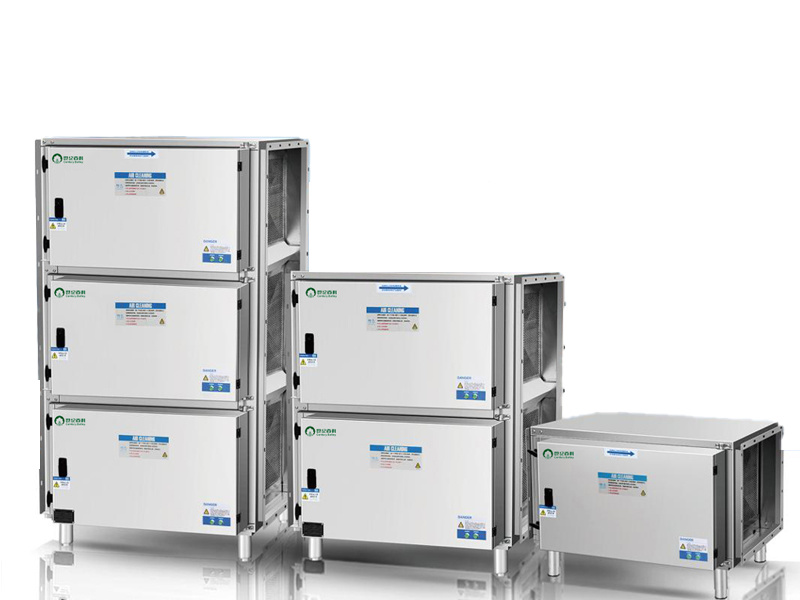
Maximizing Efficiency with Low-Altitude Direct Exhaust Fume Purifiers: The Ultimate Guide
Release time:
2026-05-09
Maximizing Efficiency with Low-Altitude Direct Exhaust Fume Purifiers Table of Contents 1. Introduction to Low-Altitude Direct Exhaust Fume Purifiers 2. Understanding Fume Purifiers and Their Importance 3. Benefits of Low-Altitude Direct Exhaust Fume Purifiers 4. Technology Behind Low-Altitude Direct Exhaust Fume Purifiers 5. Best Practices for Using Low-Altitude Direct Exhaus

Maximizing Efficiency with Low-Altitude Direct Exhaust Fume Purifiers
Table of Contents
- 1. Introduction to Low-Altitude Direct Exhaust Fume Purifiers
- 2. Understanding Fume Purifiers and Their Importance
- 3. Benefits of Low-Altitude Direct Exhaust Fume Purifiers
- 4. Technology Behind Low-Altitude Direct Exhaust Fume Purifiers
- 5. Best Practices for Using Low-Altitude Direct Exhaust Fume Purifiers
- 6. Real-World Applications: Case Studies
- 7. Regulatory Compliance in Air Quality Management
- 8. Future Trends in Air Purification Technology
- 9. Frequently Asked Questions
- 10. Conclusion
1. Introduction to Low-Altitude Direct Exhaust Fume Purifiers
In today's industrial landscape, maintaining air quality is not just a regulatory requirement but a vital component of operational efficiency. Low-altitude direct exhaust fume purifiers have emerged as a pivotal technology designed to enhance workplace safety and efficiency. By effectively capturing harmful emissions at the source, these systems minimize fume dispersion and significantly improve air quality.
2. Understanding Fume Purifiers and Their Importance
Fume purifiers are specialized systems designed to filter out harmful particulates and gases generated in various industrial processes, such as welding, soldering, and manufacturing. Understanding the significance of these purifiers is essential for any organization aiming for operational excellence.
Key Components of Fume Purifiers
Fume purifiers generally consist of several key components:
- **Filtration Systems**: These are designed to capture particulate matter and volatile organic compounds (VOCs).
- **Exhaust Fans**: Essential for drawing in contaminated air and expelling purified air.
- **Control Panels**: Allow operators to monitor and adjust settings in real-time for optimal performance.
3. Benefits of Low-Altitude Direct Exhaust Fume Purifiers
Low-altitude direct exhaust fume purifiers offer numerous advantages that contribute to maximizing efficiency in industrial environments.
Enhanced Air Quality
By capturing emissions close to the source, these purifiers significantly reduce airborne contaminants, creating a healthier workplace.
Improved Worker Productivity
With cleaner air, employees can work more efficiently, reducing downtime caused by health issues related to poor air quality.
Cost-Effectiveness
Investing in low-altitude direct exhaust fume purifiers can lead to long-term savings by minimizing health-related absences and ensuring compliance with environmental regulations.
Reduced Maintenance Costs
These systems often require less maintenance than traditional ventilation methods, leading to lower operational costs over time.
4. Technology Behind Low-Altitude Direct Exhaust Fume Purifiers
The technology employed in low-altitude direct exhaust fume purifiers represents a significant advancement in air purification.
Filtration Technologies
Modern fume purifiers utilize a variety of filtration methods, including:
- **HEPA Filters**: Capturing 99.97% of particles larger than 0.3 microns.
- **Activated Carbon Filters**: Efficiently removing odors and VOCs from the air.
- **Electrostatic Precipitators**: Using electrical charges to capture microscopic particles.
Smart Technology Integration
Many contemporary systems integrate smart technology, allowing for real-time monitoring and automatic adjustments based on air quality levels.
5. Best Practices for Using Low-Altitude Direct Exhaust Fume Purifiers
To maximize the effectiveness of low-altitude direct exhaust fume purifiers, organizations should adhere to several best practices.
Regular Maintenance and Inspections
Schedule routine checks and maintenance to ensure the filtration systems are functioning optimally.
Training and Awareness Programs
Implement training for employees on the importance of air quality and the proper use of fume purifiers.
Data Monitoring and Analysis
Use data analytics to track air quality trends and adjust settings accordingly for optimum performance.
6. Real-World Applications: Case Studies
Examining real-world implementations of low-altitude direct exhaust fume purifiers can provide valuable insights into their effectiveness.
Manufacturing Facility Success Story
A large manufacturing facility that implemented low-altitude direct exhaust fume purifiers reported a **35% decrease** in respiratory illness rates among employees, leading to substantial savings in healthcare costs and improved overall productivity.
Food Processing Plant Implementation
A food processing plant utilized these purifiers to reduce cooking-related emissions, resulting in compliance with strict health regulations and an enhanced working environment.
7. Regulatory Compliance in Air Quality Management
Compliance with environmental regulations is crucial for any industrial operation. Low-altitude direct exhaust fume purifiers help organizations meet or exceed regulatory standards set by governing bodies.
Understanding Local Regulations
Familiarize yourself with both local and national air quality regulations to ensure compliance and avoid potential fines.
Documentation and Reporting
Maintain thorough records of air quality measurements and purifier maintenance to demonstrate compliance during inspections.
8. Future Trends in Air Purification Technology
As technology continues to evolve, so do the methods and systems available for air purification.
Advancements in Smart Technology
The integration of IoT devices will allow for more precise monitoring and control of air quality, leading to even more efficient operations.
Emerging Filtration Technologies
Research into new materials and methods for filtration could result in more effective systems that capture a wider range of pollutants.
9. Frequently Asked Questions
What are low-altitude direct exhaust fume purifiers?
Low-altitude direct exhaust fume purifiers are specialized devices designed to capture and filter harmful emissions close to their source, improving air quality in industrial settings.
How do these systems improve workplace safety?
By effectively removing airborne contaminants, they reduce the risk of health-related issues among workers, promoting a safer work environment.
What types of industries benefit from these purifiers?
Industries such as manufacturing, food processing, and welding can all significantly benefit from implementing low-altitude direct exhaust fume purifiers.
Are there maintenance requirements for these systems?
Yes, regular maintenance and inspections are essential to ensure optimal performance and compliance with air quality regulations.
How do I choose the right fume purifier for my facility?
Consider factors such as the type of emissions produced, the size of your facility, and your specific air quality requirements when selecting a fume purifier.
10. Conclusion
In conclusion, low-altitude direct exhaust fume purifiers are indispensable tools for maximizing efficiency and ensuring a safe working environment in industrial settings. By understanding their technology, implementing best practices, and staying informed about regulatory compliance, organizations can significantly enhance air quality and operational productivity. Investing in these advanced systems is not just a step towards better air quality, but a strategic move towards a more efficient and sustainable future.
More news



Hotline:+86 136 849 29821
Email:13684929821@139.com
Address:No. 6, Junzibubujun Industrial Road, Guanlan, Longhua New District, Shenzhen


