

-
AboutShenzhen Century Bailey Environmental Protection Technology Co., Ltd. (referred to as "Century Bailey") is located by the Guanlan Lake of the World Golf Village, adjacent to the Shanshui Tianyuan Tourism and Culture Park. It is a national high-tech enterprise and a specialized and new enterprise focusing on the research, development, production, and sales of catering industry oil fume purification products.

-
ProductShenzhen Century Bailey Environmental Protection Technology Co., Ltd. (referred to as "Century Bailey") is located by the Guanlan Lake of the World Golf Village, adjacent to the Shanshui Tianyuan Tourism and Culture Park. It is a national high-tech enterprise and a specialized and new enterprise focusing on the research, development, production, and sales of catering industry oil fume purification products.
-
Core AdvantagesShenzhen Century Bailey Environmental Protection Technology Co., Ltd. (referred to as "Century Bailey") is located by the Guanlan Lake of the World Golf Village, adjacent to the Shanshui Tianyuan Tourism and Culture Park. It is a national high-tech enterprise and a specialized and new enterprise focusing on the research, development, production, and sales of catering industry oil fume purification products.
-
CasesShenzhen Century Bailey Environmental Protection Technology Co., Ltd. (referred to as "Century Bailey") is located by the Guanlan Lake of the World Golf Village, adjacent to the Shanshui Tianyuan Tourism and Culture Park. It is a national high-tech enterprise and a specialized and new enterprise focusing on the research, development, production, and sales of catering industry oil fume purification products.
-
Customer serviceShenzhen Century Bailey Environmental Protection Technology Co., Ltd. (referred to as "Century Bailey") is located by the Guanlan Lake of the World Golf Village, adjacent to the Shanshui Tianyuan Tourism and Culture Park. It is a national high-tech enterprise and a specialized and new enterprise focusing on the research, development, production, and sales of catering industry oil fume purification products.
-
ContactShenzhen Century Bailey Environmental Protection Technology Co., Ltd. (referred to as "Century Bailey") is located by the Guanlan Lake of the World Golf Village, adjacent to the Shanshui Tianyuan Tourism and Culture Park. It is a national high-tech enterprise and a specialized and new enterprise focusing on the research, development, production, and sales of catering industry oil fume purification products.

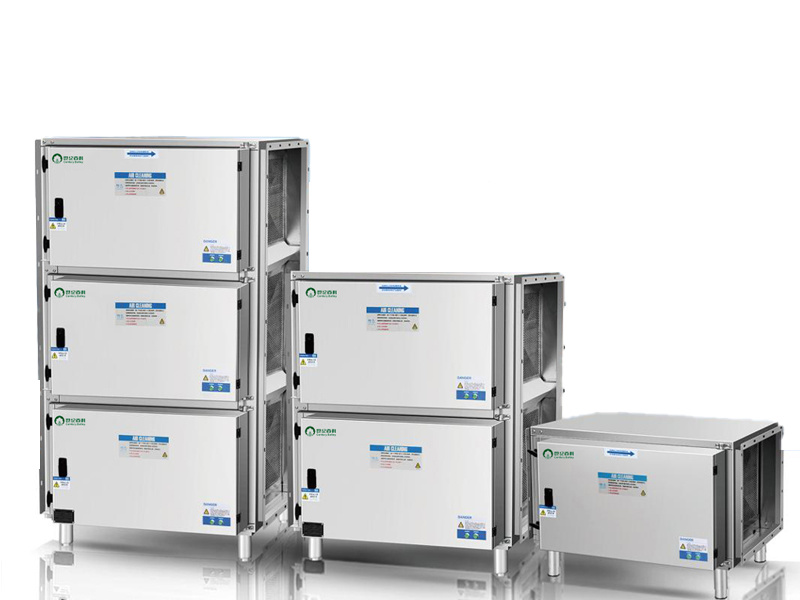
The Future of Industrial Air Quality: Innovations in High-Volume Oil Fume Purifiers
Release time:
2026-05-03
The Future of Industrial Air Quality: Innovations in High-Volume Oil Fume Purifiers Table of Contents 1. Introduction to Industrial Air Quality 2. Understanding Oil Fume Pollution 3. The Importance of High-Volume Oil Fume Purifiers 4. Innovative Technologies in Oil Fume Purification 4.1 Advanced Filtration Systems 4.2 Electrostatic Precipitators 4.3 Catalytic Oxidation 5. Efficiency and Sustainabi

The Future of Industrial Air Quality: Innovations in High-Volume Oil Fume Purifiers
Table of Contents
1. Introduction to Industrial Air Quality
2. Understanding Oil Fume Pollution
3. The Importance of High-Volume Oil Fume Purifiers
4. Innovative Technologies in Oil Fume Purification
4.1 Advanced Filtration Systems
4.2 Electrostatic Precipitators
4.3 Catalytic Oxidation
5. Efficiency and Sustainability in Air Purification
5.1 Energy-Efficient Systems
5.2 Reducing Carbon Footprint
6. Regulatory Compliance and Industry Standards
7. Case Studies: Successful Implementations
8. Future Trends in Industrial Air Quality Management
9. Frequently Asked Questions (FAQs)
10. Conclusion: Embracing the Future of Air Quality
1. Introduction to Industrial Air Quality
In the modern industrial landscape, maintaining high air quality standards is not merely a regulatory obligation but a crucial component in safeguarding employee health and enhancing operational efficiency. The rise in industrial activities has led to an increased concentration of airborne pollutants, particularly oil fumes. These hazardous emissions necessitate the adoption of high-volume oil fume purifiers that are designed to mitigate their impact on air quality.
2. Understanding Oil Fume Pollution
Oil fume pollution primarily arises from industrial processes such as machining, frying, and other operations involving heated oils. These fumes can contain a variety of harmful chemicals, including volatile organic compounds (VOCs), particulate matter, and other toxic substances that pose serious health risks. Prolonged exposure to oil fumes can lead to respiratory issues and long-term health concerns for workers, making efficient removal systems essential for modern manufacturing facilities.
3. The Importance of High-Volume Oil Fume Purifiers
High-volume oil fume purifiers play a pivotal role in maintaining industrial air quality. These systems are engineered to capture and eliminate harmful emissions before they disperse into the workplace environment. By integrating advanced purification technologies, these devices ensure that industrial facilities not only comply with environmental regulations but also foster a healthier, more productive workplace for employees.
4. Innovative Technologies in Oil Fume Purification
As industries evolve, so too do the technologies designed to address air quality issues. The following sections will explore some of the most cutting-edge innovations in high-volume oil fume purification.
4.1 Advanced Filtration Systems
Modern high-volume oil fume purifiers utilize sophisticated filtration systems that effectively trap particulate matter and oily aerosols. These filters are designed to handle a wide range of particle sizes, ensuring comprehensive removal of contaminants from the air. Utilizing multi-stage filtration processes, these systems can significantly reduce the concentration of harmful emissions.
4.2 Electrostatic Precipitators
Electrostatic precipitators (ESPs) have emerged as a critical technology in high-volume oil fume purification. These devices use electrical charges to attract and capture particles from the air stream. ESPs are highly efficient, capable of removing up to 99% of airborne particles, including fine oil mists. Their low operational costs and minimal maintenance requirements make them an attractive option for many industrial applications.
4.3 Catalytic Oxidation
Catalytic oxidation is another innovative method used in high-volume oil fume purifiers. This technology facilitates the breakdown of harmful VOCs and other toxic gases into harmless byproducts through a chemical reaction. By utilizing catalysts, this process operates at lower temperatures, improving energy efficiency while ensuring effective pollutant removal.
5. Efficiency and Sustainability in Air Purification
As businesses strive for sustainability, the efficiency of air purification systems has become increasingly significant. The following subsections describe how modern oil fume purifiers are designed to optimize energy use and reduce environmental impact.
5.1 Energy-Efficient Systems
Energy efficiency is a hallmark of contemporary high-volume oil fume purifiers. Manufacturers are developing systems that minimize energy consumption while maximizing output. Features such as variable speed fans and intelligent controls allow these systems to operate only when necessary, further enhancing their efficiency.
5.2 Reducing Carbon Footprint
By implementing high-volume oil fume purifiers that utilize sustainable practices, industries can significantly reduce their carbon footprint. Many modern units are designed to operate with renewable energy sources, contributing to a cleaner environment and aligning with global sustainability goals.
6. Regulatory Compliance and Industry Standards
The importance of complying with air quality regulations cannot be overstated. High-volume oil fume purifiers assist industries in meeting stringent environmental standards set by governmental agencies. Regulations concerning air emissions vary widely, but the implementation of advanced purification technologies ensures compliance while protecting public health.
7. Case Studies: Successful Implementations
Numerous industries have successfully adopted high-volume oil fume purifiers, showcasing their effectiveness in improving air quality. For instance, a leading automotive manufacturing facility reported a 90% reduction in airborne oil contaminants after installing an advanced purification system. Such success stories not only underline the technology's efficacy but also serve as a model for other businesses to follow.
8. Future Trends in Industrial Air Quality Management
As we look ahead, several trends are shaping the future of industrial air quality management. The integration of smart technologies, such as IoT sensors and real-time monitoring systems, will enable companies to track air quality data more effectively and make informed decisions regarding purification needs. Additionally, advancements in materials science may lead to even more efficient filtration technologies, further enhancing the capability of high-volume oil fume purifiers.
9. Frequently Asked Questions (FAQs)
Q1: What are high-volume oil fume purifiers?
A1: High-volume oil fume purifiers are advanced systems designed to capture and eliminate harmful oil fumes from industrial processes, ensuring improved air quality and worker safety.
Q2: How do oil fume purifiers work?
A2: These systems use various technologies, such as filtration, electrostatic precipitation, and catalytic oxidation, to effectively remove airborne pollutants.
Q3: Why is air quality important in industrial settings?
A3: Maintaining high air quality is crucial for protecting employee health, ensuring compliance with regulations, and enhancing overall operational efficiency.
Q4: What are the benefits of using high-volume oil fume purifiers?
A4: Benefits include reduced airborne contaminants, improved worker health, compliance with environmental regulations, and enhanced overall air quality.
Q5: How can companies ensure they choose the right oil fume purifier?
A5: Companies should evaluate their specific needs, consider the technology used in the purification system, and assess the efficiency and compliance capabilities of potential units.
10. Conclusion: Embracing the Future of Air Quality
The future of industrial air quality is bright, driven by innovations in high-volume oil fume purifiers. As industries continue to prioritize employee health and environmental sustainability, these advanced purification systems will play a crucial role in shaping a cleaner, safer future. By embracing these technologies, we can create healthier work environments and contribute to a more sustainable industrial landscape.
More news



Hotline:+86 136 849 29821
Email:13684929821@139.com
Address:No. 6, Junzibubujun Industrial Road, Guanlan, Longhua New District, Shenzhen


