

-
AboutShenzhen Century Bailey Environmental Protection Technology Co., Ltd. (referred to as "Century Bailey") is located by the Guanlan Lake of the World Golf Village, adjacent to the Shanshui Tianyuan Tourism and Culture Park. It is a national high-tech enterprise and a specialized and new enterprise focusing on the research, development, production, and sales of catering industry oil fume purification products.

-
ProductShenzhen Century Bailey Environmental Protection Technology Co., Ltd. (referred to as "Century Bailey") is located by the Guanlan Lake of the World Golf Village, adjacent to the Shanshui Tianyuan Tourism and Culture Park. It is a national high-tech enterprise and a specialized and new enterprise focusing on the research, development, production, and sales of catering industry oil fume purification products.
-
Core AdvantagesShenzhen Century Bailey Environmental Protection Technology Co., Ltd. (referred to as "Century Bailey") is located by the Guanlan Lake of the World Golf Village, adjacent to the Shanshui Tianyuan Tourism and Culture Park. It is a national high-tech enterprise and a specialized and new enterprise focusing on the research, development, production, and sales of catering industry oil fume purification products.
-
CasesShenzhen Century Bailey Environmental Protection Technology Co., Ltd. (referred to as "Century Bailey") is located by the Guanlan Lake of the World Golf Village, adjacent to the Shanshui Tianyuan Tourism and Culture Park. It is a national high-tech enterprise and a specialized and new enterprise focusing on the research, development, production, and sales of catering industry oil fume purification products.
-
Customer serviceShenzhen Century Bailey Environmental Protection Technology Co., Ltd. (referred to as "Century Bailey") is located by the Guanlan Lake of the World Golf Village, adjacent to the Shanshui Tianyuan Tourism and Culture Park. It is a national high-tech enterprise and a specialized and new enterprise focusing on the research, development, production, and sales of catering industry oil fume purification products.
-
ContactShenzhen Century Bailey Environmental Protection Technology Co., Ltd. (referred to as "Century Bailey") is located by the Guanlan Lake of the World Golf Village, adjacent to the Shanshui Tianyuan Tourism and Culture Park. It is a national high-tech enterprise and a specialized and new enterprise focusing on the research, development, production, and sales of catering industry oil fume purification products.

Top Features to Look for in a Dynamic Fume Purifier: Ensuring Optimal Air Quality in Industrial Environments
Release time:
2026-04-27
Top Features to Look for in a Dynamic Fume Purifier In the industrial landscape, maintaining a healthy and safe work environment is paramount. Fume purifiers play a crucial role in eliminating harmful emissions, ensuring that air quality meets safety standards. This article focuses on the top features to look for in a dynamic fume purifier, helping you make informed decisions when selecting equipm

Top Features to Look for in a Dynamic Fume Purifier
In the industrial landscape, maintaining a healthy and safe work environment is paramount. Fume purifiers play a crucial role in eliminating harmful emissions, ensuring that air quality meets safety standards. This article focuses on the top features to look for in a dynamic fume purifier, helping you make informed decisions when selecting equipment that best fits your operational requirements.
Understanding Dynamic Fume Purifiers
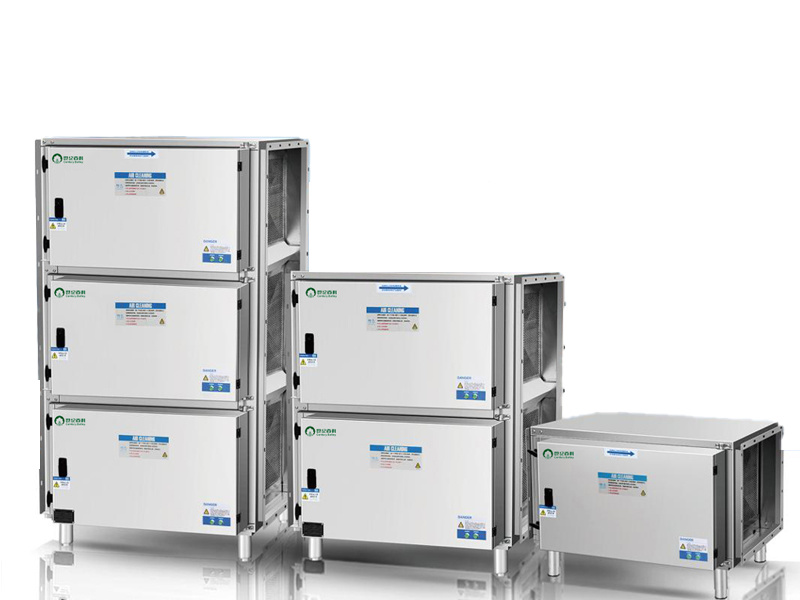
A dynamic fume purifier is designed to effectively capture and neutralize toxic fumes, vapors, and odors generated during industrial processes. These systems combine advanced technologies to ensure optimal air filtration and purification, creating a safer environment for workers. With various models available, understanding the key features can significantly impact your choice.
Table of Contents
- 1. Efficient Filtration System
- 2. Customizable Airflow Management
- 3. Advanced Monitoring and Control Systems
- 4. Compact Design and Space Optimization
- 5. Energy Efficiency and Sustainability
- 6. Low Maintenance Requirements
- 7. Safety Features and Compliance
- 8. Cost-Effectiveness and ROI
- FAQs
1. Efficient Filtration System
The heart of any fume purifier is its filtration system. Investing in a unit with high-efficiency particulate air (HEPA) filters or activated carbon filters can enhance air purification. HEPA filters are capable of trapping particles as small as 0.3 microns, while activated carbon filters effectively absorb a wide range of volatile organic compounds (VOCs).
Consider systems that offer multiple filtration stages, including pre-filters that capture larger particles, ensuring that the main filters operate efficiently. An efficient filtration system minimizes the risk of pollutants being released back into the environment, thereby protecting workers' health.
2. Customizable Airflow Management
Dynamic fume purifiers should provide customizable airflow management to adapt to varying operational needs. This feature allows for the adjustment of airflow rates based on specific processes, ensuring optimal fume capture and minimizing energy consumption.
Look for models that include variable speed fans or automated airflow adjustment capabilities. These systems can dynamically respond to changes in fume generation, enhancing efficiency and maintaining a consistent level of air quality.
3. Advanced Monitoring and Control Systems
Real-time monitoring capabilities are essential for maintaining air quality standards. Advanced fume purifiers come equipped with sensors and control systems that continuously monitor air quality parameters, including particulate matter levels and VOC concentrations.
Choose systems that provide user-friendly interfaces and remote access features. This allows operators to make informed decisions based on real-time data, optimizing the purifier's performance and ensuring compliance with health and safety regulations.
4. Compact Design and Space Optimization
In many industrial settings, space is at a premium. A compact design is a significant advantage for dynamic fume purifiers, enabling them to fit seamlessly into existing workflows without occupying excessive floor space.
Evaluate units that offer vertical or wall-mounted configurations. These designs not only save space but also improve accessibility for maintenance and operation without disrupting existing processes.
5. Energy Efficiency and Sustainability
As industries increasingly prioritize sustainability, selecting energy-efficient fume purifiers becomes crucial. Look for systems that have been certified for energy efficiency, which can lead to substantial cost savings over time.
Energy-efficient models often feature low-energy fans and motors, as well as smart control systems that minimize energy consumption during low-activity periods. Choosing eco-friendly options not only reduces operational costs but also aligns with corporate sustainability goals.
6. Low Maintenance Requirements
Maintenance can be a significant factor in the total cost of ownership for fume purifiers. Opt for models that emphasize low maintenance requirements, such as easy-access filter compartments and self-cleaning features.
Regular maintenance should be straightforward, with clear guidelines provided by the manufacturer. Systems that require less frequent filter changes and have durable components will minimize downtime and reduce ongoing operational expenses.
7. Safety Features and Compliance
Safety should be a top priority when selecting a dynamic fume purifier. Ensure that the model you choose complies with local and international air quality regulations. Look for certifications that confirm the equipment meets or exceeds industry standards for emissions control.
Additionally, consider purifiers equipped with safety features such as automatic shut-off systems in case of filter saturation or malfunction. These features protect workers and the environment by preventing the release of untreated fumes.
8. Cost-Effectiveness and ROI
Finally, consider the overall cost-effectiveness and return on investment (ROI) of the fume purifier. While upfront costs are important, analyze the long-term savings associated with energy efficiency, reduced maintenance, and compliance with health regulations.
Conduct a cost-benefit analysis to determine the total cost of ownership over the lifespan of the equipment. This approach allows you to assess which models offer the best value while meeting your specific operational needs.
Frequently Asked Questions
1. What is a dynamic fume purifier?
A dynamic fume purifier is an industrial air treatment system designed to capture and neutralize harmful fumes and vapors, ensuring compliance with air quality regulations and protecting worker health.
2. How often should filters be replaced in a fume purifier?
The frequency of filter replacement depends on the specific model and operational conditions. Generally, filters should be checked regularly and replaced according to the manufacturer's recommendations or when monitoring indicates reduced performance.
3. Are dynamic fume purifiers noisy during operation?
Many modern dynamic fume purifiers are designed with noise reduction technologies, making them quieter than older models. However, the noise level can vary based on the fan speed and model specifications.
4. Can fume purifiers be used in various industries?
Yes, dynamic fume purifiers are versatile and can be used across various industries, including manufacturing, chemical processing, and food production, where air quality is vital.
5. What maintenance is required for a dynamic fume purifier?
Maintenance typically includes regular filter inspections and changes, cleaning of components, and ensuring that monitoring systems are functioning correctly. Consult the manufacturer’s guidelines for specifics.
Conclusion
Selecting the right dynamic fume purifier involves considering multiple factors that contribute to operational efficiency and worker safety. By focusing on features such as efficient filtration systems, customizable airflow management, advanced monitoring, and maintenance needs, you can make an informed decision that enhances air quality in your industrial environment. Prioritize equipment that not only meets regulatory standards but also aligns with your operational goals for long-term success.
More news


Hotline:+86 136 849 29821
Email:13684929821@139.com
Address:No. 6, Junzibubujun Industrial Road, Guanlan, Longhua New District, Shenzhen


