

-
AboutShenzhen Century Bailey Environmental Protection Technology Co., Ltd. (referred to as "Century Bailey") is located by the Guanlan Lake of the World Golf Village, adjacent to the Shanshui Tianyuan Tourism and Culture Park. It is a national high-tech enterprise and a specialized and new enterprise focusing on the research, development, production, and sales of catering industry oil fume purification products.
-
ProductShenzhen Century Bailey Environmental Protection Technology Co., Ltd. (referred to as "Century Bailey") is located by the Guanlan Lake of the World Golf Village, adjacent to the Shanshui Tianyuan Tourism and Culture Park. It is a national high-tech enterprise and a specialized and new enterprise focusing on the research, development, production, and sales of catering industry oil fume purification products.
-
Core AdvantagesShenzhen Century Bailey Environmental Protection Technology Co., Ltd. (referred to as "Century Bailey") is located by the Guanlan Lake of the World Golf Village, adjacent to the Shanshui Tianyuan Tourism and Culture Park. It is a national high-tech enterprise and a specialized and new enterprise focusing on the research, development, production, and sales of catering industry oil fume purification products.
-
CasesShenzhen Century Bailey Environmental Protection Technology Co., Ltd. (referred to as "Century Bailey") is located by the Guanlan Lake of the World Golf Village, adjacent to the Shanshui Tianyuan Tourism and Culture Park. It is a national high-tech enterprise and a specialized and new enterprise focusing on the research, development, production, and sales of catering industry oil fume purification products.
-
Customer serviceShenzhen Century Bailey Environmental Protection Technology Co., Ltd. (referred to as "Century Bailey") is located by the Guanlan Lake of the World Golf Village, adjacent to the Shanshui Tianyuan Tourism and Culture Park. It is a national high-tech enterprise and a specialized and new enterprise focusing on the research, development, production, and sales of catering industry oil fume purification products.
-
ContactShenzhen Century Bailey Environmental Protection Technology Co., Ltd. (referred to as "Century Bailey") is located by the Guanlan Lake of the World Golf Village, adjacent to the Shanshui Tianyuan Tourism and Culture Park. It is a national high-tech enterprise and a specialized and new enterprise focusing on the research, development, production, and sales of catering industry oil fume purification products.
Combined Fume Purifiers vs. Traditional Air Filters: What You Need to Know for Optimal Air Quality
Release time:
2026-04-21
Combined Fume Purifiers vs. Traditional Air Filters: What You Need to Know for Optimal Air Quality Table of Contents 1. Introduction to Air Quality in Industrial Environments 2. Understanding Air Filtration Technologies 3. What are Combined Fume Purifiers? 3.1 Key Features of Combined Fume Purifiers 3.2 Benefits of Using Combined Fume Purifiers 4. What are Traditional Air Filters? 4.1 Key Features

Combined Fume Purifiers vs. Traditional Air Filters: What You Need to Know for Optimal Air Quality
Table of Contents
1. Introduction to Air Quality in Industrial Environments
2. Understanding Air Filtration Technologies
3. What are Combined Fume Purifiers?
3.1 Key Features of Combined Fume Purifiers
3.2 Benefits of Using Combined Fume Purifiers
4. What are Traditional Air Filters?
4.1 Key Features of Traditional Air Filters
4.2 Limitations of Traditional Air Filters
5. Comparing Efficiency: Combined Fume Purifiers vs. Traditional Air Filters
5.1 Filtration Mechanisms
5.2 Performance in Real-World Scenarios
6. Health Implications of Air Quality
6.1 Respiratory Issues and Contaminants
6.2 Long-Term Exposure Risks
7. Cost Analysis: Combined Fume Purifiers vs. Traditional Air Filters
7.1 Initial Investment and Maintenance Costs
7.2 Long-Term Savings and Efficiency
8. Conclusion: Making the Right Choice for Your Facility
9. Frequently Asked Questions (FAQs)
1. Introduction to Air Quality in Industrial Environments
In today's industrial landscape, maintaining optimal air quality is not just a regulatory compliance issue but a fundamental necessity for the health and productivity of employees. With various pollutants present in factories and manufacturing plants, selecting the right air purification technology becomes crucial. In this article, we will explore **combined fume purifiers** and **traditional air filters**, comparing their features, benefits, and suitability for different industrial applications.
2. Understanding Air Filtration Technologies
Air filtration technologies have evolved significantly over the years. Industries often grapple with a range of airborne pollutants, including volatile organic compounds (VOCs), particulate matter, and smoke. The choice between **combined fume purifiers** and **traditional air filters** plays a vital role in ensuring a safe working environment.
3. What are Combined Fume Purifiers?
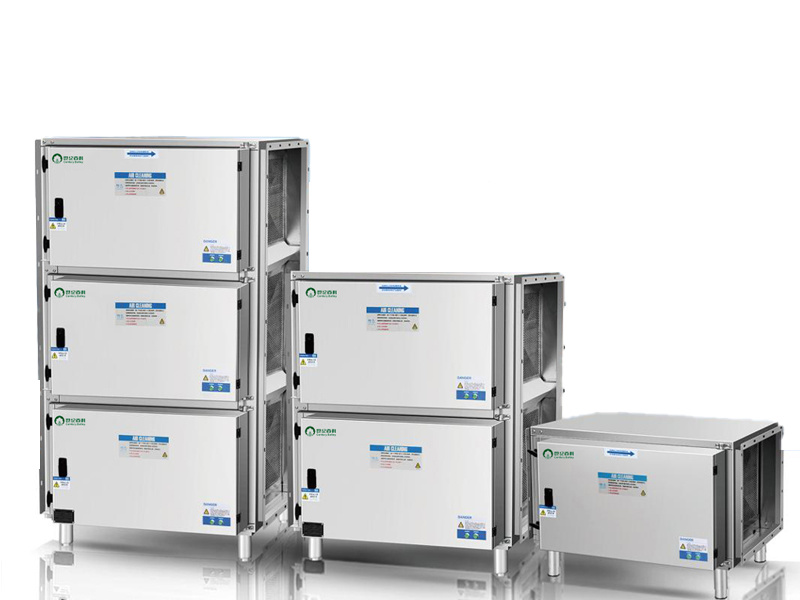
Combined fume purifiers represent a sophisticated approach to air purification, effectively handling a wide array of contaminants.
3.1 Key Features of Combined Fume Purifiers
- **Multi-stage Filtration:** These purifiers utilize various filtration stages, including pre-filters, activated carbon filters, and HEPA filters, enabling them to capture both particulate matter and gaseous pollutants.
- **Advanced Technology:** Many combined fume purifiers incorporate technologies such as electrostatic precipitation and UV light for additional contaminant reduction.
- **Adaptability:** Designed to handle different types of fumes and odors, these systems are adaptable across various industrial applications.
3.2 Benefits of Using Combined Fume Purifiers
- **Enhanced Air Quality:** By efficiently removing a broad range of pollutants, combined fume purifiers significantly improve indoor air quality.
- **Health Protection:** The effective filtration of harmful fumes can reduce health risks associated with respiratory issues and long-term exposure to harmful substances.
- **Energy Efficiency:** Modern combined fume purifiers are designed to be energy-efficient, often incorporating features that reduce operational costs.
4. What are Traditional Air Filters?
Traditional air filters are the most commonly used air purification solutions in various industrial settings.
4.1 Key Features of Traditional Air Filters
- **Basic Filtration:** Typically consisting of a single filter medium, traditional air filters primarily focus on removing larger particulate matter.
- **Simplicity:** Their straightforward design makes them easy to install and maintain, often featuring replaceable filter cartridges.
- **Cost-Effective:** Generally lower in initial cost compared to combined fume purifiers, making them an attractive option for budget-conscious facilities.
4.2 Limitations of Traditional Air Filters
- **Limited Contaminant Capture:** Traditional filters are less effective at capturing smaller particles and gaseous pollutants, which can lead to poor air quality.
- **Frequent Replacement:** Since they do not provide comprehensive filtration, these filters require more frequent replacements, leading to higher long-term costs.
- **Inefficiency in High-Contaminant Environments:** In industrial settings where fumes and VOCs are prevalent, traditional filters may fall short in effectiveness.
5. Comparing Efficiency: Combined Fume Purifiers vs. Traditional Air Filters
When choosing the right air purification system, efficiency is a primary concern.
5.1 Filtration Mechanisms
Combined fume purifiers employ a multi-faceted approach to filtration, capturing a wider range of contaminants than traditional air filters, which primarily target dust and larger particles. This multi-stage process enhances their overall efficiency.
5.2 Performance in Real-World Scenarios
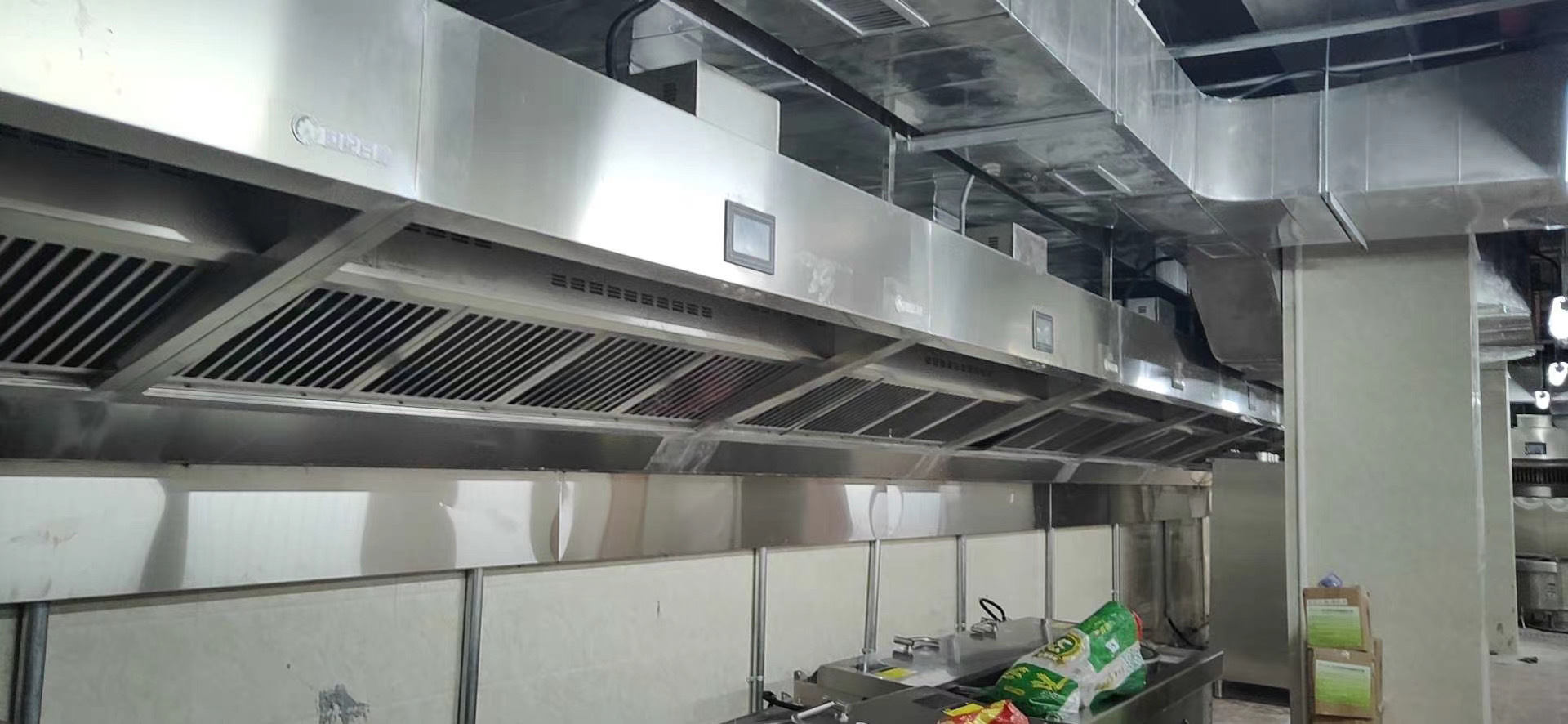
In environments with heavy fume generation, such as kitchens, manufacturing plants, and laboratories, combined fume purifiers demonstrate superior performance. They not only reduce particulate matter but also effectively remove noxious gases, providing a cleaner and safer air environment.
6. Health Implications of Air Quality
The importance of air quality in industrial settings cannot be overstated. Poor air quality can lead to serious health issues for workers.
6.1 Respiratory Issues and Contaminants
Studies have linked poor air quality to respiratory problems, including asthma and chronic obstructive pulmonary disease (COPD). The effective filtration of air contaminants is essential to mitigate these risks.
6.2 Long-Term Exposure Risks
Long-term exposure to industrial pollutants can result in severe health complications, including lung cancer and other serious diseases. Implementing advanced purification systems like combined fume purifiers can significantly reduce these risks.
7. Cost Analysis: Combined Fume Purifiers vs. Traditional Air Filters
Understanding the financial implications of air filtration systems is crucial for businesses.
7.1 Initial Investment and Maintenance Costs
While combined fume purifiers generally require a higher initial investment, their advanced technology can lead to significant savings over time by reducing maintenance costs and minimizing employee health risks. Conversely, traditional air filters have lower upfront costs but may incur higher ongoing expenses due to frequent replacements.
7.2 Long-Term Savings and Efficiency
When evaluating long-term savings, combined fume purifiers often prove more cost-effective, offering enhanced efficiency and lower health-related costs.
8. Conclusion: Making the Right Choice for Your Facility
In the quest for optimal air quality, the choice between combined fume purifiers and traditional air filters is critical. For facilities that generate significant fumes and pollutants, investing in combined fume purifiers is often the best choice, offering superior filtration, health protection, and long-term savings. By understanding the nuances of each technology, businesses can make informed decisions that protect their workforce and enhance operational efficiency.
9. Frequently Asked Questions (FAQs)
Q1: What types of pollutants can combined fume purifiers remove?
A1: Combined fume purifiers can capture particulate matter, volatile organic compounds (VOCs), odors, and other gaseous contaminants.
Q2: Are combined fume purifiers more energy-efficient than traditional air filters?
A2: Yes, many combined fume purifiers are designed with energy efficiency in mind, potentially leading to lower operational costs.
Q3: How often should air filters be replaced?
A3: The replacement frequency depends on the type of filter and the level of contaminants. Traditional filters may require replacement every month or two, while combined fume purifiers may have longer intervals.
Q4: Can combined fume purifiers improve employee health?
A4: Yes, by effectively removing harmful contaminants from the air, combined fume purifiers can contribute significantly to employee health and well-being.
Q5: What is the most critical factor when choosing an air purification system?
A5: The primary considerations should include the types of pollutants present, the specific needs of your facility, and the overall cost-effectiveness of the system.
This comprehensive guide provides a detailed understanding of air purification technologies, helping you make an informed decision for your industrial air quality needs.
More news


Hotline:+86 136 849 29821
Email:13684929821@139.com
Address:No. 6, Junzibubujun Industrial Road, Guanlan, Longhua New District, Shenzhen


