

-
AboutShenzhen Century Bailey Environmental Protection Technology Co., Ltd. (referred to as "Century Bailey") is located by the Guanlan Lake of the World Golf Village, adjacent to the Shanshui Tianyuan Tourism and Culture Park. It is a national high-tech enterprise and a specialized and new enterprise focusing on the research, development, production, and sales of catering industry oil fume purification products.

-
ProductShenzhen Century Bailey Environmental Protection Technology Co., Ltd. (referred to as "Century Bailey") is located by the Guanlan Lake of the World Golf Village, adjacent to the Shanshui Tianyuan Tourism and Culture Park. It is a national high-tech enterprise and a specialized and new enterprise focusing on the research, development, production, and sales of catering industry oil fume purification products.
-
Core AdvantagesShenzhen Century Bailey Environmental Protection Technology Co., Ltd. (referred to as "Century Bailey") is located by the Guanlan Lake of the World Golf Village, adjacent to the Shanshui Tianyuan Tourism and Culture Park. It is a national high-tech enterprise and a specialized and new enterprise focusing on the research, development, production, and sales of catering industry oil fume purification products.
-
CasesShenzhen Century Bailey Environmental Protection Technology Co., Ltd. (referred to as "Century Bailey") is located by the Guanlan Lake of the World Golf Village, adjacent to the Shanshui Tianyuan Tourism and Culture Park. It is a national high-tech enterprise and a specialized and new enterprise focusing on the research, development, production, and sales of catering industry oil fume purification products.
-
Customer serviceShenzhen Century Bailey Environmental Protection Technology Co., Ltd. (referred to as "Century Bailey") is located by the Guanlan Lake of the World Golf Village, adjacent to the Shanshui Tianyuan Tourism and Culture Park. It is a national high-tech enterprise and a specialized and new enterprise focusing on the research, development, production, and sales of catering industry oil fume purification products.
-
ContactShenzhen Century Bailey Environmental Protection Technology Co., Ltd. (referred to as "Century Bailey") is located by the Guanlan Lake of the World Golf Village, adjacent to the Shanshui Tianyuan Tourism and Culture Park. It is a national high-tech enterprise and a specialized and new enterprise focusing on the research, development, production, and sales of catering industry oil fume purification products.

Enhancing Industrial Efficiency with High-Volume Oil Fume Purifiers
Release time:
2026-04-18
In industries where oil-based processes dominate, the generation of oil fumes is a common challenge. High-volume oil fume purifiers play a crucial role in mitigating the adverse effects of these emissions on both health and the environment. These advanced systems are specifically designed to handle large volumes of oil mist and fume, ensuring the air remains free from harmful particulate matter an

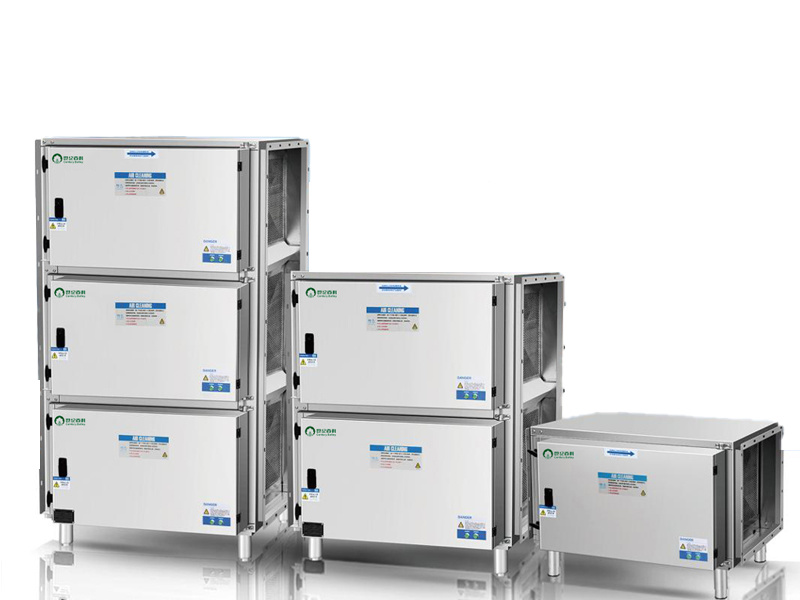
In industries where oil-based processes dominate, the generation of oil fumes is a common challenge. High-volume oil fume purifiers play a crucial role in mitigating the adverse effects of these emissions on both health and the environment. These advanced systems are specifically designed to handle large volumes of oil mist and fume, ensuring the air remains free from harmful particulate matter and volatile organic compounds (VOCs).
One of the primary advantages of high-volume oil fume purifiers is their capacity to improve air quality significantly. By employing various filtration technologies, including electrostatic precipitators and activated carbon filters, these systems can efficiently capture and neutralize airborne contaminants. This is particularly important in manufacturing facilities, where oil mist can complicate the working environment, leading to potential health risks for employees and equipment damage.
Moreover, the implementation of high-volume oil fume purifiers can lead to considerable cost savings. Cleaner air translates to reduced maintenance costs for machinery and lower health-related absenteeism among workers. Additionally, many jurisdictions have stringent regulations regarding air quality and emissions, making it imperative for companies to invest in effective purification technologies to remain compliant and avoid potential fines.
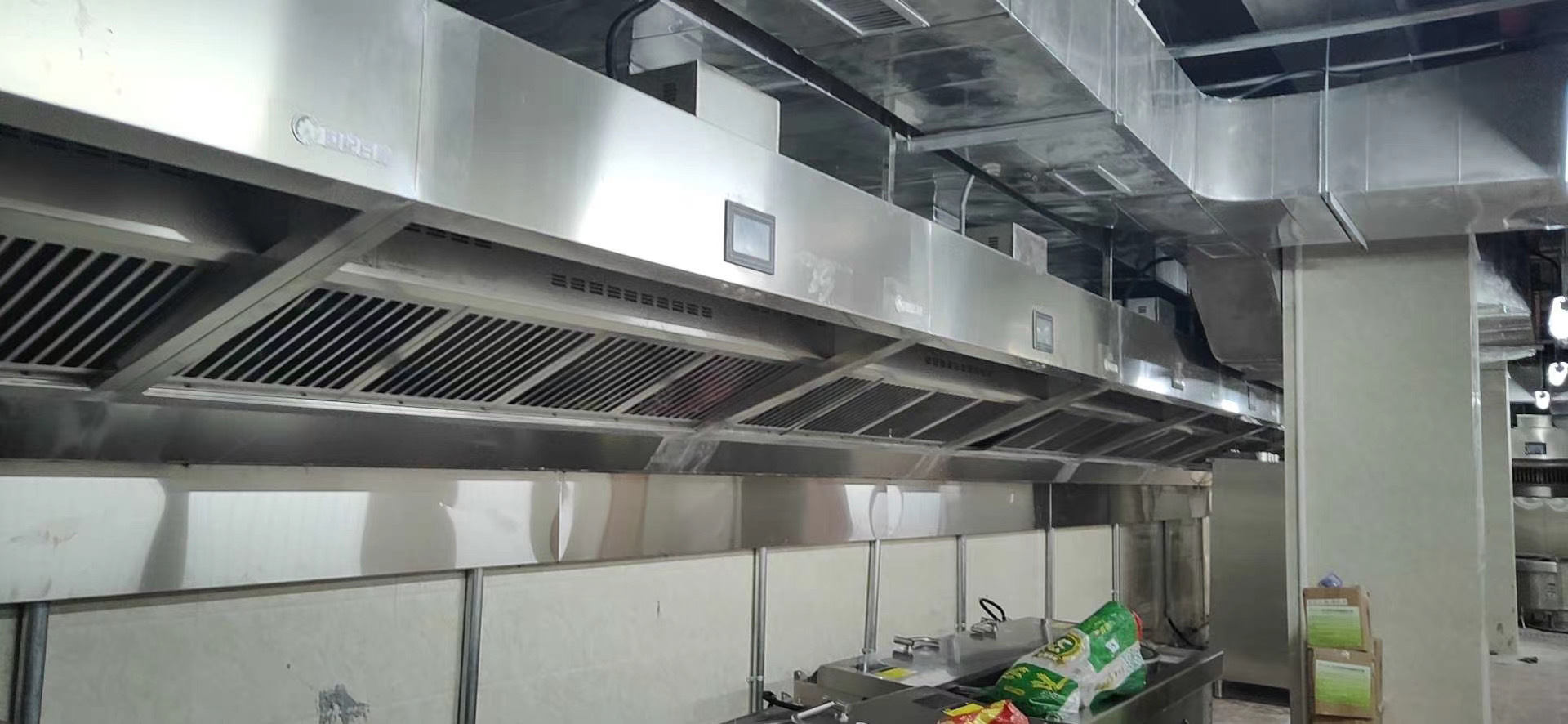
From a technical standpoint, high-volume oil fume purifiers are often equipped with advanced monitoring and control systems that optimize their performance. These systems can adjust filtration rates based on real-time air quality data, ensuring that the purification process is both efficient and energy-saving. This adaptability is particularly beneficial in environments where oil fume generation rates can fluctuate widely.
The integration of high-volume oil fume purifiers also supports sustainability initiatives. By reducing oil fume emissions, these systems contribute to lower carbon footprints and align with global efforts to minimize industrial pollution. Companies that prioritize environmental responsibility often find that investing in high-performance air purification solutions can enhance their brand reputation and customer loyalty.
In conclusion, high-volume oil fume purifiers are not merely a regulatory compliance tool; they are essential components of modern industrial processes that enhance air quality, safeguard employee health, and contribute to overall operational efficiency. For professionals in the air purification equipment industry, understanding the technology and benefits of these systems is critical for making informed decisions that align with both operational goals and environmental standards. Investing in high-volume oil fume purifiers is a step toward a cleaner, more efficient industrial future.
One of the primary advantages of high-volume oil fume purifiers is their capacity to improve air quality significantly. By employing various filtration technologies, including electrostatic precipitators and activated carbon filters, these systems can efficiently capture and neutralize airborne contaminants. This is particularly important in manufacturing facilities, where oil mist can complicate the working environment, leading to potential health risks for employees and equipment damage.
Moreover, the implementation of high-volume oil fume purifiers can lead to considerable cost savings. Cleaner air translates to reduced maintenance costs for machinery and lower health-related absenteeism among workers. Additionally, many jurisdictions have stringent regulations regarding air quality and emissions, making it imperative for companies to invest in effective purification technologies to remain compliant and avoid potential fines.
From a technical standpoint, high-volume oil fume purifiers are often equipped with advanced monitoring and control systems that optimize their performance. These systems can adjust filtration rates based on real-time air quality data, ensuring that the purification process is both efficient and energy-saving. This adaptability is particularly beneficial in environments where oil fume generation rates can fluctuate widely.
The integration of high-volume oil fume purifiers also supports sustainability initiatives. By reducing oil fume emissions, these systems contribute to lower carbon footprints and align with global efforts to minimize industrial pollution. Companies that prioritize environmental responsibility often find that investing in high-performance air purification solutions can enhance their brand reputation and customer loyalty.
In conclusion, high-volume oil fume purifiers are not merely a regulatory compliance tool; they are essential components of modern industrial processes that enhance air quality, safeguard employee health, and contribute to overall operational efficiency. For professionals in the air purification equipment industry, understanding the technology and benefits of these systems is critical for making informed decisions that align with both operational goals and environmental standards. Investing in high-volume oil fume purifiers is a step toward a cleaner, more efficient industrial future.
More news


Hotline:+86 136 849 29821
Email:13684929821@139.com
Address:No. 6, Junzibubujun Industrial Road, Guanlan, Longhua New District, Shenzhen


