

-
AboutShenzhen Century Bailey Environmental Protection Technology Co., Ltd. (referred to as "Century Bailey") is located by the Guanlan Lake of the World Golf Village, adjacent to the Shanshui Tianyuan Tourism and Culture Park. It is a national high-tech enterprise and a specialized and new enterprise focusing on the research, development, production, and sales of catering industry oil fume purification products.

-
ProductShenzhen Century Bailey Environmental Protection Technology Co., Ltd. (referred to as "Century Bailey") is located by the Guanlan Lake of the World Golf Village, adjacent to the Shanshui Tianyuan Tourism and Culture Park. It is a national high-tech enterprise and a specialized and new enterprise focusing on the research, development, production, and sales of catering industry oil fume purification products.
-
Core AdvantagesShenzhen Century Bailey Environmental Protection Technology Co., Ltd. (referred to as "Century Bailey") is located by the Guanlan Lake of the World Golf Village, adjacent to the Shanshui Tianyuan Tourism and Culture Park. It is a national high-tech enterprise and a specialized and new enterprise focusing on the research, development, production, and sales of catering industry oil fume purification products.
-
CasesShenzhen Century Bailey Environmental Protection Technology Co., Ltd. (referred to as "Century Bailey") is located by the Guanlan Lake of the World Golf Village, adjacent to the Shanshui Tianyuan Tourism and Culture Park. It is a national high-tech enterprise and a specialized and new enterprise focusing on the research, development, production, and sales of catering industry oil fume purification products.
-
Customer serviceShenzhen Century Bailey Environmental Protection Technology Co., Ltd. (referred to as "Century Bailey") is located by the Guanlan Lake of the World Golf Village, adjacent to the Shanshui Tianyuan Tourism and Culture Park. It is a national high-tech enterprise and a specialized and new enterprise focusing on the research, development, production, and sales of catering industry oil fume purification products.
-
ContactShenzhen Century Bailey Environmental Protection Technology Co., Ltd. (referred to as "Century Bailey") is located by the Guanlan Lake of the World Golf Village, adjacent to the Shanshui Tianyuan Tourism and Culture Park. It is a national high-tech enterprise and a specialized and new enterprise focusing on the research, development, production, and sales of catering industry oil fume purification products.
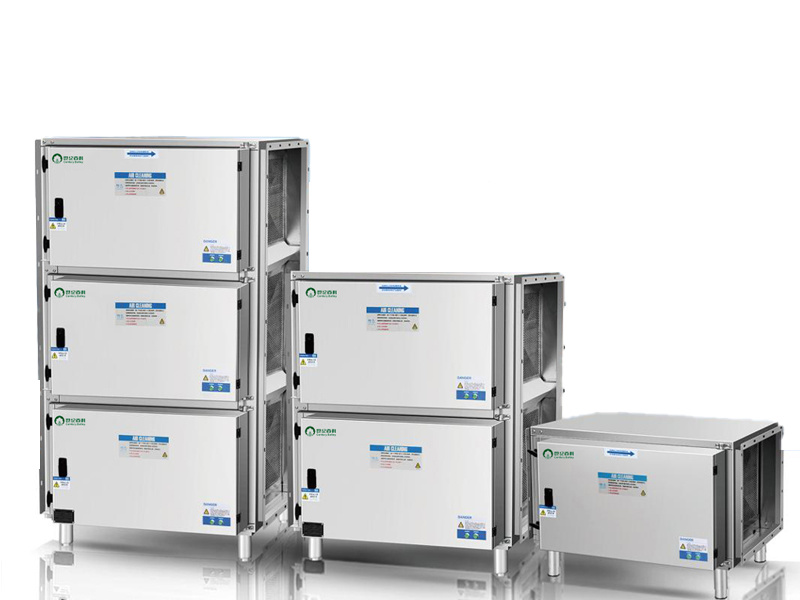
Top Features to Consider When Choosing a Low-Altitude Direct Exhaust Fume Purifier
Release time:
2026-04-09
Top Features to Consider When Choosing a Low-Altitude Direct Exhaust Fume Purifier In today’s industrial landscape, the importance of air quality cannot be overstated. Low-altitude direct exhaust fume purifiers are crucial for ensuring that harmful emissions from manufacturing processes do not compromise the health of workers or the environment. This article provides a comprehensive guide on the t

Top Features to Consider When Choosing a Low-Altitude Direct Exhaust Fume Purifier
In today’s industrial landscape, the importance of air quality cannot be overstated. Low-altitude direct exhaust fume purifiers are crucial for ensuring that harmful emissions from manufacturing processes do not compromise the health of workers or the environment. This article provides a comprehensive guide on the top features to look for when selecting a low-altitude direct exhaust fume purifier, ensuring you make an informed decision for your industrial needs.
Table of Contents
- Understanding Low-Altitude Direct Exhaust Fume Purifiers
- Essential Features to Look for in Fume Purifiers
- 1. Filtration Efficiency
- 2. Airflow Capacity
- 3. Construction Materials
- 4. Noise Levels
- 5. Energy Consumption
- 6. Maintenance Requirements
- 7. Portability
- 8. Compliance and Certification
- Benefits of Investing in a Quality Fume Purifier
- How to Choose the Right Purifier for Your Needs
- Frequently Asked Questions
- Conclusion
Understanding Low-Altitude Direct Exhaust Fume Purifiers
Low-altitude direct exhaust fume purifiers are designed to effectively capture and eliminate harmful airborne contaminants produced during industrial processes. These devices are strategically positioned near the source of emissions to optimize their performance, ensuring that pollutants are filtered out before they can disperse into the environment.
The primary function of these purifiers is to enhance indoor air quality, safeguarding the health of workers while also complying with environmental regulations. The selection of appropriate features is essential for maximizing efficiency and ensuring longevity in demanding industrial environments.
Essential Features to Look for in Fume Purifiers
When selecting a low-altitude direct exhaust fume purifier, consider the following critical features:
1. Filtration Efficiency
**Filtration efficiency** is arguably the most vital aspect of any fume purifier. The device should have a multi-stage filtration system capable of removing various particulate sizes, including both large particles and fine aerosols. Look for purifiers that use HEPA filters or ULPA filters, as these are known for their high filtration efficiency rates, typically over 99.97% for particles as small as 0.3 microns.
2. Airflow Capacity
The **airflow capacity** of a fume purifier is essential for ensuring that it can handle the volume of air required for effective filtration. This is measured in cubic feet per minute (CFM). A purifier with a higher CFM rating will be able to circulate air more rapidly, thus improving overall air quality in the workspace. It's crucial to match the airflow capacity to the specific needs of your industrial environment.
3. Construction Materials
The **construction materials** of the purifier impact its durability and effectiveness. Look for models made from high-quality, corrosion-resistant materials that can withstand the harsh conditions of industrial settings. Stainless steel and robust plastics are favorable choices, providing longevity and maintaining structural integrity over time.
4. Noise Levels
Consider the **noise levels** produced by the purifier during operation. Excessive noise can be disruptive in a work environment, impacting worker productivity and comfort. Many manufacturers provide specifications on noise levels, usually measured in decibels (dB). Aim for models that operate quietly while still delivering optimal performance.
5. Energy Consumption
**Energy consumption** is another critical factor to consider, especially with rising energy costs. Look for low-altitude direct exhaust fume purifiers that are energy efficient. Devices with energy-saving modes and those that meet Energy Star standards can significantly reduce operating costs over time.
6. Maintenance Requirements
The **maintenance requirements** of the purifier should also be a priority. Choose models that offer easy access to filters for replacement and cleaning. Some purifiers come equipped with filter replacement alerts, helping to ensure that the device operates at peak efficiency.
7. Portability
In many industrial settings, **portability** can be a key advantage. If the fume purifier needs to be moved between different workstations or areas, consider models with wheels or a lightweight design. Portability aids in flexibility and allows for enhanced air quality management across a range of operational areas.
8. Compliance and Certification
Lastly, ensure that the purifier meets relevant **compliance and certification standards**. Certification from recognized bodies indicates that the equipment adheres to safety and performance benchmarks. Look for models that comply with OSHA (Occupational Safety and Health Administration) guidelines and EPA (Environmental Protection Agency) regulations.
Benefits of Investing in a Quality Fume Purifier
Investing in a quality low-altitude direct exhaust fume purifier offers numerous benefits, including:
- **Improved Worker Health**: By reducing exposure to harmful fumes, companies can significantly lower the risk of respiratory issues and other health problems among employees.
- **Enhanced Productivity**: Clean air contributes to better concentration and productivity levels among workers, ultimately benefiting the company’s bottom line.
- **Regulatory Compliance**: Adhering to air quality regulations helps avoid fines and legal issues, ensuring that businesses operate within the law.
- **Environmental Responsibility**: Effective fume purification contributes to a cleaner environment, reflecting a company’s commitment to sustainability.
How to Choose the Right Purifier for Your Needs
Selecting the right fume purifier involves understanding your specific requirements. Start by assessing the types of fumes produced in your facility, the volume of air that needs to be treated, and any space constraints. Consult with experts and consider conducting air quality assessments to gather data that can guide your decision-making.
It’s also advisable to solicit feedback from employees who will be utilizing the equipment. Their comfort and safety are paramount, and involving them in the decision-making process can lead to a better overall outcome.
Frequently Asked Questions
What types of industries benefit from low-altitude direct exhaust fume purifiers?
Many industries, including manufacturing, automotive, food processing, and chemical production, can benefit from low-altitude direct exhaust fume purifiers. These devices help mitigate harmful emissions commonly found in these sectors.
How often should filters be replaced in fume purifiers?
Filter replacement frequency varies by model and usage, but generally, filters should be checked every few months and replaced as needed. Many purifiers are equipped with indicators to alert users when a filter change is necessary.
Can low-altitude fume purifiers be used outdoors?
Typically, low-altitude direct exhaust fume purifiers are designed for indoor use. Outdoor applications may require different equipment better suited for varying environmental conditions.
Are there any specific certifications that a fume purifier should have?
Look for certifications such as CE, UL, or EPA compliance, which indicate that the purifier meets safety and performance standards.
What is the average lifespan of a low-altitude fume purifier?
The lifespan can vary based on usage and maintenance but typically ranges from 5 to 10 years. Regular maintenance can extend the life of the unit significantly.
Conclusion
Choosing the right low-altitude direct exhaust fume purifier is a crucial decision for ensuring workplace safety and regulatory compliance in industrial environments. By focusing on essential features such as filtration efficiency, airflow capacity, construction materials, and energy consumption, businesses can select a unit that meets their specific needs. Beyond just compliance, investing in a quality fume purifier contributes to improved employee health and productivity, underscoring the importance of clean air in the workplace. By understanding and prioritizing these factors, companies can make informed choices that lead to long-term success and safety.
More news



Hotline:+86 136 849 29821
Email:13684929821@139.com
Address:No. 6, Junzibubujun Industrial Road, Guanlan, Longhua New District, Shenzhen


