

-
AboutShenzhen Century Bailey Environmental Protection Technology Co., Ltd. (referred to as "Century Bailey") is located by the Guanlan Lake of the World Golf Village, adjacent to the Shanshui Tianyuan Tourism and Culture Park. It is a national high-tech enterprise and a specialized and new enterprise focusing on the research, development, production, and sales of catering industry oil fume purification products.

-
ProductShenzhen Century Bailey Environmental Protection Technology Co., Ltd. (referred to as "Century Bailey") is located by the Guanlan Lake of the World Golf Village, adjacent to the Shanshui Tianyuan Tourism and Culture Park. It is a national high-tech enterprise and a specialized and new enterprise focusing on the research, development, production, and sales of catering industry oil fume purification products.
-
Core AdvantagesShenzhen Century Bailey Environmental Protection Technology Co., Ltd. (referred to as "Century Bailey") is located by the Guanlan Lake of the World Golf Village, adjacent to the Shanshui Tianyuan Tourism and Culture Park. It is a national high-tech enterprise and a specialized and new enterprise focusing on the research, development, production, and sales of catering industry oil fume purification products.
-
CasesShenzhen Century Bailey Environmental Protection Technology Co., Ltd. (referred to as "Century Bailey") is located by the Guanlan Lake of the World Golf Village, adjacent to the Shanshui Tianyuan Tourism and Culture Park. It is a national high-tech enterprise and a specialized and new enterprise focusing on the research, development, production, and sales of catering industry oil fume purification products.
-
Customer serviceShenzhen Century Bailey Environmental Protection Technology Co., Ltd. (referred to as "Century Bailey") is located by the Guanlan Lake of the World Golf Village, adjacent to the Shanshui Tianyuan Tourism and Culture Park. It is a national high-tech enterprise and a specialized and new enterprise focusing on the research, development, production, and sales of catering industry oil fume purification products.
-
ContactShenzhen Century Bailey Environmental Protection Technology Co., Ltd. (referred to as "Century Bailey") is located by the Guanlan Lake of the World Golf Village, adjacent to the Shanshui Tianyuan Tourism and Culture Park. It is a national high-tech enterprise and a specialized and new enterprise focusing on the research, development, production, and sales of catering industry oil fume purification products.

Real-World Case Studies: High-Volume Oil Fume Purifiers in Action
Release time:
2026-04-03
Real-World Case Studies: High-Volume Oil Fume Purifiers in Action Introduction to High-Volume Oil Fume Purifiers In the industrial sector, maintaining a clean and safe working environment is paramount. High-volume oil fume purifiers are critical in mitigating the risks associated with airborne contaminants generated during manufacturing and cooking processes. These purifiers help reduce harmful em

Real-World Case Studies: High-Volume Oil Fume Purifiers in Action
Introduction to High-Volume Oil Fume Purifiers
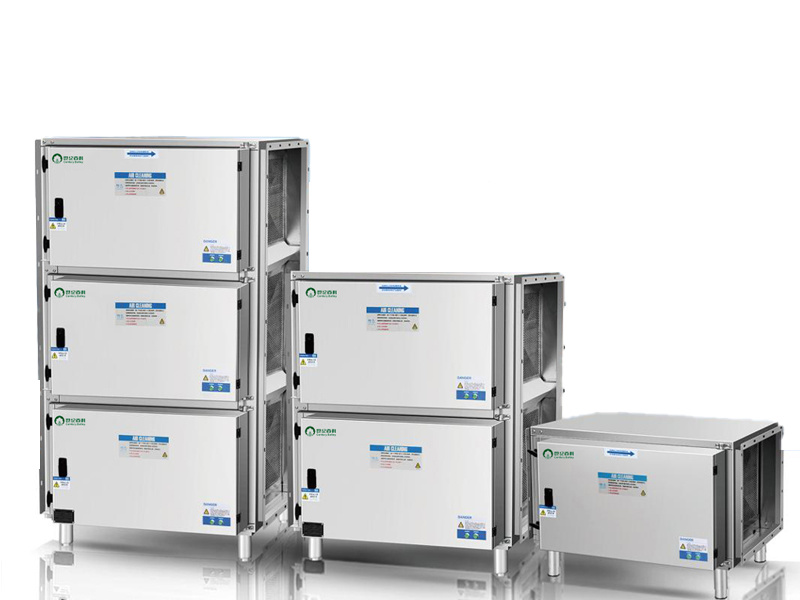
In the industrial sector, maintaining a clean and safe working environment is paramount. High-volume oil fume purifiers are critical in mitigating the risks associated with airborne contaminants generated during manufacturing and cooking processes. These purifiers help reduce harmful emissions, improving air quality and ensuring compliance with health and safety regulations. Through a series of real-world case studies, we will illustrate the effectiveness of these devices in different industrial settings.
Understanding Oil Fume Contaminants
Before delving into the case studies, it’s essential to understand what oil fume contaminants are and why their removal is necessary. Oil fumes are generated from various processes, including cooking, metalworking, and machinery operation. They consist of:
- **Particulate Matter (PM)**: Tiny particles that can cause respiratory issues.
- **Volatile Organic Compounds (VOCs)**: Harmful chemicals that can lead to long-term health problems.
- **Grease and Smoke Residues**: These can accumulate in the work environment, leading to fire hazards.
The effectiveness of high-volume oil fume purifiers lies in their ability to filter these pollutants efficiently.
The Importance of Case Studies in Industrial Applications
Case studies provide valuable insights into the practical application of high-volume oil fume purifiers. By examining real-world scenarios, we can evaluate their effectiveness, uncover innovative solutions to common challenges, and highlight the benefits achieved by various industries.
Case Study 1: Restaurant Chain Installation
Background and Challenge
A prominent restaurant chain faced significant challenges with oil fume emissions, particularly during peak cooking hours. The existing ventilation system was unable to handle the high volume of fumes, resulting in poor air quality and customer complaints.
Solution Implementation
The restaurant chain opted for a high-volume oil fume purifier system custom-designed for their needs. This system featured:
- **Multi-stage filtration**: To capture a wide range of particulate sizes and chemical compounds.
- **Real-time monitoring technology**: Allowing for adjustments based on air quality metrics.
- **Energy-efficient design**: Minimizing overall operational costs.
Results Achieved
After the installation of the high-volume oil fume purifiers, the restaurant chain reported a **60% reduction in indoor air pollutants**. Employee absenteeism due to respiratory issues decreased, and customer satisfaction ratings improved significantly, leading to an increase in repeat business.
Case Study 2: Automotive Manufacturing Facility
Background and Challenge
An automotive manufacturing facility struggled with high levels of oil fumes from machining processes. These fumes not only posed health risks but also contaminated the workspace, necessitating frequent cleaning and maintenance.
Solution Implementation
To address the issue, the facility installed a high-volume oil fume purification system, which included:
- **Ultrasonic mist eliminators**: To remove moisture and oily residues from the air.
- **Activated carbon filters**: For effective VOC removal.
- **Advanced control systems**: To automate airflow based on real-time air quality data.
Results Achieved
Post-implementation assessments revealed an **80% reduction in airborne contaminants**. The facility saw decreased downtime and maintenance costs, and employee productivity increased as a result of improved air quality.
Case Study 3: Food Processing Plant
Background and Challenge
A large food processing plant encountered challenges with oil fumes generated during frying and cooking processes. The air quality was poor, affecting both workers and product quality.
Solution Implementation
The plant implemented a high-volume oil fume purifier with:
- **HEPA filtration**: To capture fine particles and improve air cleanliness.
- **Odor control systems**: To mitigate unpleasant smells associated with cooking processes.
- **Integrated cleaning systems**: To ensure the filters remained effective over time.
Results Achieved
The results were transformative; the plant recorded a **75% reduction in airborne oil fume concentrations**. Worker health improved, resulting in fewer respiratory complaints, and the quality of the food products also saw a marked enhancement.
Case Study 4: Metalworking Shop
Background and Challenge
A metalworking shop was facing regulatory compliance issues due to excessive oil fume emissions. The existing system was outdated and could not efficiently filter the high volume of contaminants produced.
Solution Implementation
The shop upgraded to a state-of-the-art high-volume oil fume purification system, featuring:
- **Centrifugal mist collectors**: For efficient removal of large particulate matter.
- **Dual filtration systems**: To ensure thorough purification of both vapors and particulates.
- **Remote monitoring capabilities**: Allowing for real-time analysis of air quality.
Results Achieved
The upgraded system led to a **90% reduction in oil fume levels**, ensuring compliance with environmental regulations. The shop not only improved its operational efficiency but also enhanced its reputation among clients and regulatory bodies.
Best Practices for Implementing High-Volume Oil Fume Purifiers
To maximize the effectiveness of high-volume oil fume purifiers, companies should consider the following best practices:
Regular Maintenance and Monitoring
Regular maintenance of purification systems is crucial. This includes timely filter changes and system checks to ensure optimal performance.
Employee Training
Training employees on the importance of air quality and how to operate purification systems effectively can enhance the overall success of the implementation.
Custom Solutions
Every industrial environment is unique. Customizing purification solutions to meet specific operational needs can significantly improve air quality outcomes.
Frequently Asked Questions (FAQs)
What are high-volume oil fume purifiers?
High-volume oil fume purifiers are specialized systems designed to filter and remove airborne oil fumes, particulate matter, and VOCs from industrial environments.
How do high-volume oil fume purifiers work?
These systems use a combination of filtration technologies, including HEPA filters, activated carbon, and mist eliminators, to capture and neutralize harmful contaminants in the air.
What industries benefit from oil fume purification systems?
Industries such as food processing, automotive manufacturing, metalworking, and restaurant chains are among those that benefit significantly from high-volume oil fume purifiers.
How often should oil fume purification systems be maintained?
Regular maintenance should occur according to the manufacturer's recommendations, typically every 6 to 12 months, or more frequently if air quality declines.
Can high-volume oil fume purifiers help with regulatory compliance?
Yes, these systems can help businesses meet environmental regulations by significantly reducing airborne contaminants and improving overall air quality.
Conclusion
High-volume oil fume purifiers play an essential role in enhancing air quality across various industrial applications. The real-world case studies highlighted above demonstrate their effectiveness in improving worker health, ensuring regulatory compliance, and increasing operational efficiency. By implementing best practices and investing in tailored purification solutions, industries can create safer, healthier work environments that benefit both employees and the bottom line. The future of air quality management in industrial settings looks promising, driven by innovative technologies and a commitment to health and safety.
More news



Hotline:+86 136 849 29821
Email:13684929821@139.com
Address:No. 6, Junzibubujun Industrial Road, Guanlan, Longhua New District, Shenzhen


