

-
AboutShenzhen Century Bailey Environmental Protection Technology Co., Ltd. (referred to as "Century Bailey") is located by the Guanlan Lake of the World Golf Village, adjacent to the Shanshui Tianyuan Tourism and Culture Park. It is a national high-tech enterprise and a specialized and new enterprise focusing on the research, development, production, and sales of catering industry oil fume purification products.
-
ProductShenzhen Century Bailey Environmental Protection Technology Co., Ltd. (referred to as "Century Bailey") is located by the Guanlan Lake of the World Golf Village, adjacent to the Shanshui Tianyuan Tourism and Culture Park. It is a national high-tech enterprise and a specialized and new enterprise focusing on the research, development, production, and sales of catering industry oil fume purification products.
-
Core AdvantagesShenzhen Century Bailey Environmental Protection Technology Co., Ltd. (referred to as "Century Bailey") is located by the Guanlan Lake of the World Golf Village, adjacent to the Shanshui Tianyuan Tourism and Culture Park. It is a national high-tech enterprise and a specialized and new enterprise focusing on the research, development, production, and sales of catering industry oil fume purification products.
-
CasesShenzhen Century Bailey Environmental Protection Technology Co., Ltd. (referred to as "Century Bailey") is located by the Guanlan Lake of the World Golf Village, adjacent to the Shanshui Tianyuan Tourism and Culture Park. It is a national high-tech enterprise and a specialized and new enterprise focusing on the research, development, production, and sales of catering industry oil fume purification products.
-
Customer serviceShenzhen Century Bailey Environmental Protection Technology Co., Ltd. (referred to as "Century Bailey") is located by the Guanlan Lake of the World Golf Village, adjacent to the Shanshui Tianyuan Tourism and Culture Park. It is a national high-tech enterprise and a specialized and new enterprise focusing on the research, development, production, and sales of catering industry oil fume purification products.
-
ContactShenzhen Century Bailey Environmental Protection Technology Co., Ltd. (referred to as "Century Bailey") is located by the Guanlan Lake of the World Golf Village, adjacent to the Shanshui Tianyuan Tourism and Culture Park. It is a national high-tech enterprise and a specialized and new enterprise focusing on the research, development, production, and sales of catering industry oil fume purification products.
Exploring Low-Altitude Direct Exhaust Fume Purifiers: Key Insights for Industrial Applications
Release time:
2026-03-25
In the modern industrial landscape, maintaining air quality is paramount, particularly in environments where fumes and emissions are prevalent. Low-altitude direct exhaust fume purifiers have emerged as an essential solution for businesses aiming to minimize airborne pollutants. These systems are designed to capture and neutralize harmful particles directly at the source, ensuring a safer workplac

In the modern industrial landscape, maintaining air quality is paramount, particularly in environments where fumes and emissions are prevalent. Low-altitude direct exhaust fume purifiers have emerged as an essential solution for businesses aiming to minimize airborne pollutants. These systems are designed to capture and neutralize harmful particles directly at the source, ensuring a safer workplace and compliance with environmental regulations.
One of the primary benefits of low-altitude direct exhaust fume purifiers is their ability to operate at lower heights, making them ideal for various industrial applications, including kitchens, manufacturing plants, and automotive workshops. By positioning the purifier closer to the source of emissions, these systems can effectively reduce the dispersion of pollutants into the air. This localized approach not only enhances the efficiency of the purification process but also helps in conserving energy, as the system can operate on lower power settings while still achieving optimal results.
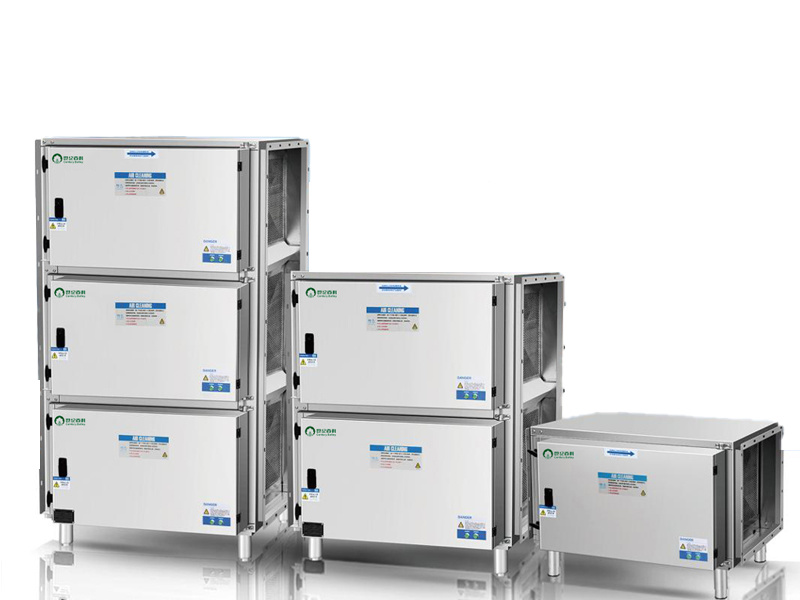
The design of low-altitude direct exhaust fume purifiers typically incorporates advanced filtration technologies. These may include electrostatic precipitators, activated carbon filters, and HEPA filters, each serving a distinct purpose in capturing varying sizes of particulate matter and volatile organic compounds (VOCs). By integrating multiple filtration stages, these purifiers can significantly lower the concentration of harmful substances in the air, thus improving the overall air quality within the facility.
Moreover, the installation of these purifiers can lead to substantial cost savings for businesses. By reducing the emission of harmful fumes, companies can potentially lower their operational costs related to health hazards and regulatory compliance. A cleaner work environment not only boosts employee morale but also enhances productivity, reducing downtime due to health-related issues.
It’s essential for professionals considering the adoption of low-altitude direct exhaust fume purifiers to assess their specific industrial needs. Factors such as the type of emissions, the volume of air being processed, and the layout of the facility will play a critical role in determining the most suitable solution. Consulting with experts in air purification technology can provide tailored recommendations that align with the unique circumstances of the business.
In conclusion, low-altitude direct exhaust fume purifiers represent a vital investment for industries looking to uphold air quality and employee safety. With their efficient design and advanced filtration capabilities, these purifiers offer a proactive approach to managing industrial emissions, ensuring a healthier environment while promoting sustainable practices. By embracing these technologies, businesses not only comply with regulations but also contribute to a more sustainable future.
One of the primary benefits of low-altitude direct exhaust fume purifiers is their ability to operate at lower heights, making them ideal for various industrial applications, including kitchens, manufacturing plants, and automotive workshops. By positioning the purifier closer to the source of emissions, these systems can effectively reduce the dispersion of pollutants into the air. This localized approach not only enhances the efficiency of the purification process but also helps in conserving energy, as the system can operate on lower power settings while still achieving optimal results.
The design of low-altitude direct exhaust fume purifiers typically incorporates advanced filtration technologies. These may include electrostatic precipitators, activated carbon filters, and HEPA filters, each serving a distinct purpose in capturing varying sizes of particulate matter and volatile organic compounds (VOCs). By integrating multiple filtration stages, these purifiers can significantly lower the concentration of harmful substances in the air, thus improving the overall air quality within the facility.
Moreover, the installation of these purifiers can lead to substantial cost savings for businesses. By reducing the emission of harmful fumes, companies can potentially lower their operational costs related to health hazards and regulatory compliance. A cleaner work environment not only boosts employee morale but also enhances productivity, reducing downtime due to health-related issues.
It’s essential for professionals considering the adoption of low-altitude direct exhaust fume purifiers to assess their specific industrial needs. Factors such as the type of emissions, the volume of air being processed, and the layout of the facility will play a critical role in determining the most suitable solution. Consulting with experts in air purification technology can provide tailored recommendations that align with the unique circumstances of the business.
In conclusion, low-altitude direct exhaust fume purifiers represent a vital investment for industries looking to uphold air quality and employee safety. With their efficient design and advanced filtration capabilities, these purifiers offer a proactive approach to managing industrial emissions, ensuring a healthier environment while promoting sustainable practices. By embracing these technologies, businesses not only comply with regulations but also contribute to a more sustainable future.
More news



Hotline:+86 136 849 29821
Email:13684929821@139.com
Address:No. 6, Junzibubujun Industrial Road, Guanlan, Longhua New District, Shenzhen


