

-
AboutShenzhen Century Bailey Environmental Protection Technology Co., Ltd. (referred to as "Century Bailey") is located by the Guanlan Lake of the World Golf Village, adjacent to the Shanshui Tianyuan Tourism and Culture Park. It is a national high-tech enterprise and a specialized and new enterprise focusing on the research, development, production, and sales of catering industry oil fume purification products.

-
ProductShenzhen Century Bailey Environmental Protection Technology Co., Ltd. (referred to as "Century Bailey") is located by the Guanlan Lake of the World Golf Village, adjacent to the Shanshui Tianyuan Tourism and Culture Park. It is a national high-tech enterprise and a specialized and new enterprise focusing on the research, development, production, and sales of catering industry oil fume purification products.
-
Core AdvantagesShenzhen Century Bailey Environmental Protection Technology Co., Ltd. (referred to as "Century Bailey") is located by the Guanlan Lake of the World Golf Village, adjacent to the Shanshui Tianyuan Tourism and Culture Park. It is a national high-tech enterprise and a specialized and new enterprise focusing on the research, development, production, and sales of catering industry oil fume purification products.
-
CasesShenzhen Century Bailey Environmental Protection Technology Co., Ltd. (referred to as "Century Bailey") is located by the Guanlan Lake of the World Golf Village, adjacent to the Shanshui Tianyuan Tourism and Culture Park. It is a national high-tech enterprise and a specialized and new enterprise focusing on the research, development, production, and sales of catering industry oil fume purification products.
-
Customer serviceShenzhen Century Bailey Environmental Protection Technology Co., Ltd. (referred to as "Century Bailey") is located by the Guanlan Lake of the World Golf Village, adjacent to the Shanshui Tianyuan Tourism and Culture Park. It is a national high-tech enterprise and a specialized and new enterprise focusing on the research, development, production, and sales of catering industry oil fume purification products.
-
ContactShenzhen Century Bailey Environmental Protection Technology Co., Ltd. (referred to as "Century Bailey") is located by the Guanlan Lake of the World Golf Village, adjacent to the Shanshui Tianyuan Tourism and Culture Park. It is a national high-tech enterprise and a specialized and new enterprise focusing on the research, development, production, and sales of catering industry oil fume purification products.
Enhancing Workplace Safety with Advanced Combined Fume Purifier Technology
Release time:
2026-03-22
Enhancing Workplace Safety with Advanced Combined Fume Purifier Technology Table of Contents 1. Understanding Combined Fume Purifier Technology 2. The Importance of Workplace Safety 3. How Combined Fume Purifiers Work 4. Advantages of Combined Fume Purifiers for Safety 5. Applications of Combined Fume Purifiers in Various Industries 6. Regulatory Compliance and Standards

Enhancing Workplace Safety with Advanced Combined Fume Purifier Technology
Table of Contents
- 1. Understanding Combined Fume Purifier Technology
- 2. The Importance of Workplace Safety
- 3. How Combined Fume Purifiers Work
- 4. Advantages of Combined Fume Purifiers for Safety
- 5. Applications of Combined Fume Purifiers in Various Industries
- 6. Regulatory Compliance and Standards
- 7. Case Studies: Real-World Impact of Fume Purifiers
- 8. The Future of Fume Purification Technology
- 9. Frequently Asked Questions
- 10. Conclusion
1. Understanding Combined Fume Purifier Technology
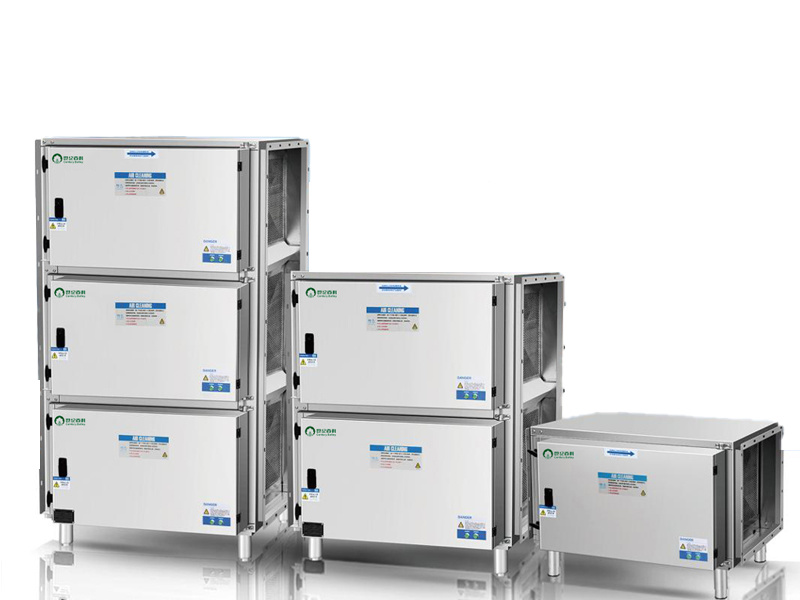
Combined fume purifier technology represents a significant advancement in the field of industrial air filtration. This innovative technology integrates multiple filtration processes to effectively capture and neutralize hazardous pollutants emitted during industrial processes. By employing a sophisticated multi-stage filtration system, these purifiers can address a wide array of airborne contaminants, making them indispensable in maintaining workplace safety.
The technology typically combines various filtration methods such as electrostatic precipitation, activated carbon adsorption, and HEPA filtration. This combination allows for the systematic removal of particulate matter, volatile organic compounds (VOCs), and other toxic fumes from the air, ensuring that the air quality meets or exceeds industry standards.
2. The Importance of Workplace Safety
Workplace safety is a critical aspect of any organization. The health and well-being of employees directly impact productivity, morale, and the overall success of a business. According to the Occupational Safety and Health Administration (OSHA), a safe working environment can lead to increased employee retention and reduced costs associated with injuries and illnesses.
Harmful fumes released during various industrial processes pose a significant threat to worker safety. Exposure to these fumes can result in immediate health issues, including respiratory problems, eye irritation, and skin conditions, as well as long-term health consequences such as chronic respiratory diseases and even cancer. Therefore, implementing effective air purification methods is essential for safeguarding employee health.
3. How Combined Fume Purifiers Work
Understanding the operational mechanics of combined fume purifiers is essential to appreciate their effectiveness. These systems utilize a multi-layered approach to air purification:
3.1. Pre-Filtration Stage
The initial stage of the purification process involves pre-filtration, where larger particles, such as dust and debris, are captured. This step is crucial for extending the lifespan of subsequent filters and ensuring that the system operates efficiently.
3.2. Electrostatic Precipitation
Next, the air passes through an electrostatic precipitator. In this stage, airborne particles are charged and subsequently attracted to oppositely charged plates, effectively removing them from the air stream. This method is particularly effective for fine particulate matter that is often missed by traditional filters.
3.3. Activated Carbon Filtration
Following electrostatic precipitation, the air is directed through an activated carbon filter. This filter is designed to adsorb volatile organic compounds (VOCs) and other chemical pollutants. The porous structure of activated carbon provides a large surface area for trapping harmful gases, thus neutralizing unpleasant odors and toxic fumes.
3.4. HEPA Filtration
Finally, the purified air passes through a HEPA (High-Efficiency Particulate Air) filter, which captures 99.97% of particles as small as 0.3 microns. This stage ensures that the air released back into the environment is free of harmful contaminants.
4. Advantages of Combined Fume Purifiers for Safety
The implementation of combined fume purifier technology offers numerous advantages that contribute to an overall safer workplace:
4.1. Improved Air Quality
By effectively removing harmful airborne pollutants, combined fume purifiers significantly enhance indoor air quality. This improvement not only benefits employee health but also leads to increased productivity.
4.2. Compliance with Health Standards
These purifiers help businesses adhere to strict health and safety regulations set forth by environmental agencies. Compliance not only protects employees but also shields organizations from potential fines and legal repercussions.
4.3. Enhanced Employee Morale
A clean and safe working environment fosters employee satisfaction and morale. Workers who feel safe and valued are more likely to be productive and engaged.
4.4. Cost-Effectiveness
Investing in combined fume purifiers can lead to long-term cost savings. By reducing workplace injuries and illnesses, businesses can lower healthcare costs and insurance premiums, while also minimizing downtime associated with worker absences.
4.5. Versatility
Combined fume purifiers can be tailored to suit various industrial processes and environments, making them versatile solutions for a wide range of applications, from manufacturing to healthcare.
5. Applications of Combined Fume Purifiers in Various Industries
Combined fume purifiers find applications across numerous industries, each with unique requirements for air quality management:
5.1. Manufacturing
In manufacturing facilities, combined fume purifiers are essential for controlling emissions from processes such as welding, painting, and chemical manufacturing. These purifiers effectively mitigate the release of hazardous fumes and particulates into the workplace.
5.2. Food Processing
In the food industry, maintaining a clean and safe environment is pivotal. Combined fume purifiers help in eliminating odors and contaminants that could compromise food safety, ensuring compliance with health regulations.
5.3. Healthcare
Healthcare facilities also benefit from combined fume purifiers, particularly in areas where surgical procedures or chemical treatments occur. Effective air purification reduces the risk of airborne infections and ensures a sterile environment.
5.4. Automotive
In the automotive industry, fume purifiers help manage emissions from paint booths and engine assembly areas. By ensuring cleaner air, these systems contribute to a safer working environment for employees.
5.5. Laboratories
Research laboratories often deal with volatile substances. Combined fume purifiers are integral in these settings to ensure that harmful vapors do not pose a risk to researchers and technicians.
6. Regulatory Compliance and Standards
Adhering to regulations is crucial for any business operating in a regulated environment. Combined fume purifiers assist companies in meeting the guidelines set by agencies such as OSHA and the Environmental Protection Agency (EPA). These organizations provide standards for permissible exposure limits (PEL) for various harmful substances. By implementing advanced air purification systems, businesses can demonstrate their commitment to employee safety and environmental stewardship.
7. Case Studies: Real-World Impact of Fume Purifiers
Real-world examples illustrate the efficacy of combined fume purifiers in enhancing workplace safety:
7.1. Case Study: Manufacturing Plant
A manufacturing plant that produces metal components faced challenges with airborne contaminants from welding processes. After installing combined fume purifiers, the plant reported a 40% reduction in employee respiratory complaints and improved overall air quality measurements, leading to increased production efficiency.
7.2. Case Study: Food Processing Facility
A food processing facility struggling with foul odors from processing operations implemented combined fume purifiers. Post-installation, the facility not only eliminated the unpleasant smells but also achieved compliance with health regulations, resulting in enhanced customer satisfaction and business reputation.
8. The Future of Fume Purification Technology
The future of fume purification technology is promising, driven by advancements in filtration materials and smart technology integration. Continuous innovation is expected to improve the efficiency and effectiveness of purification systems. Future trends may include the development of more sustainable materials, enhanced monitoring capabilities, and the integration of artificial intelligence for real-time air quality management.
As industries evolve, the demand for advanced air purification solutions will only grow, highlighting the crucial role that combined fume purifiers play in ensuring a safe and healthy work environment.
9. Frequently Asked Questions
9.1. What is combined fume purification technology?
Combined fume purification technology integrates multiple filtration methods to effectively remove airborne pollutants, including particulates and volatile organic compounds.
9.2. How do combined fume purifiers improve workplace safety?
These purifiers reduce exposure to harmful fumes, resulting in lower health risks for employees and enhanced air quality in the workplace.
9.3. Are combined fume purifiers expensive to operate?
While the initial investment may be substantial, the long-term savings from reduced health issues and regulatory compliance often outweigh operational costs.
9.4. Can combined fume purifiers be used in all industries?
Yes, combined fume purifiers can be tailored for various industrial applications, making them versatile solutions for diverse environments.
9.5. How often do combined fume purifiers need maintenance?
Regular maintenance schedules vary based on usage and environmental conditions, but routine checks and filter replacements are crucial to ensure optimal performance.
10. Conclusion
Investing in combined fume purifier technology is a proactive step toward enhancing workplace safety. By effectively reducing harmful airborne pollutants, these systems not only protect employee health but also contribute to a more productive and compliant workplace. As industries increasingly prioritize safety and environmental responsibility, the adoption of advanced air purification solutions will play a vital role in achieving these goals. Embracing this technology now will pave the way for a safer, healthier future for all employees.
More news



Hotline:+86 136 849 29821
Email:13684929821@139.com
Address:No. 6, Junzibubujun Industrial Road, Guanlan, Longhua New District, Shenzhen


