

-
AboutShenzhen Century Bailey Environmental Protection Technology Co., Ltd. (referred to as "Century Bailey") is located by the Guanlan Lake of the World Golf Village, adjacent to the Shanshui Tianyuan Tourism and Culture Park. It is a national high-tech enterprise and a specialized and new enterprise focusing on the research, development, production, and sales of catering industry oil fume purification products.

-
ProductShenzhen Century Bailey Environmental Protection Technology Co., Ltd. (referred to as "Century Bailey") is located by the Guanlan Lake of the World Golf Village, adjacent to the Shanshui Tianyuan Tourism and Culture Park. It is a national high-tech enterprise and a specialized and new enterprise focusing on the research, development, production, and sales of catering industry oil fume purification products.
-
Core AdvantagesShenzhen Century Bailey Environmental Protection Technology Co., Ltd. (referred to as "Century Bailey") is located by the Guanlan Lake of the World Golf Village, adjacent to the Shanshui Tianyuan Tourism and Culture Park. It is a national high-tech enterprise and a specialized and new enterprise focusing on the research, development, production, and sales of catering industry oil fume purification products.
-
CasesShenzhen Century Bailey Environmental Protection Technology Co., Ltd. (referred to as "Century Bailey") is located by the Guanlan Lake of the World Golf Village, adjacent to the Shanshui Tianyuan Tourism and Culture Park. It is a national high-tech enterprise and a specialized and new enterprise focusing on the research, development, production, and sales of catering industry oil fume purification products.
-
Customer serviceShenzhen Century Bailey Environmental Protection Technology Co., Ltd. (referred to as "Century Bailey") is located by the Guanlan Lake of the World Golf Village, adjacent to the Shanshui Tianyuan Tourism and Culture Park. It is a national high-tech enterprise and a specialized and new enterprise focusing on the research, development, production, and sales of catering industry oil fume purification products.
-
ContactShenzhen Century Bailey Environmental Protection Technology Co., Ltd. (referred to as "Century Bailey") is located by the Guanlan Lake of the World Golf Village, adjacent to the Shanshui Tianyuan Tourism and Culture Park. It is a national high-tech enterprise and a specialized and new enterprise focusing on the research, development, production, and sales of catering industry oil fume purification products.

The Future of Air Quality Management: Understanding Dynamic Fume Purifiers
Release time:
2026-03-13
Dynamic fume purifiers are advanced air treatment systems designed to effectively capture and neutralize harmful airborne contaminants generated in various industrial processes. Unlike traditional fume extraction systems, these purifiers adapt to changes in air quality and pollutant concentrations, ensuring optimal performance and efficiency. The core technology of dynamic fume purifiers often inc

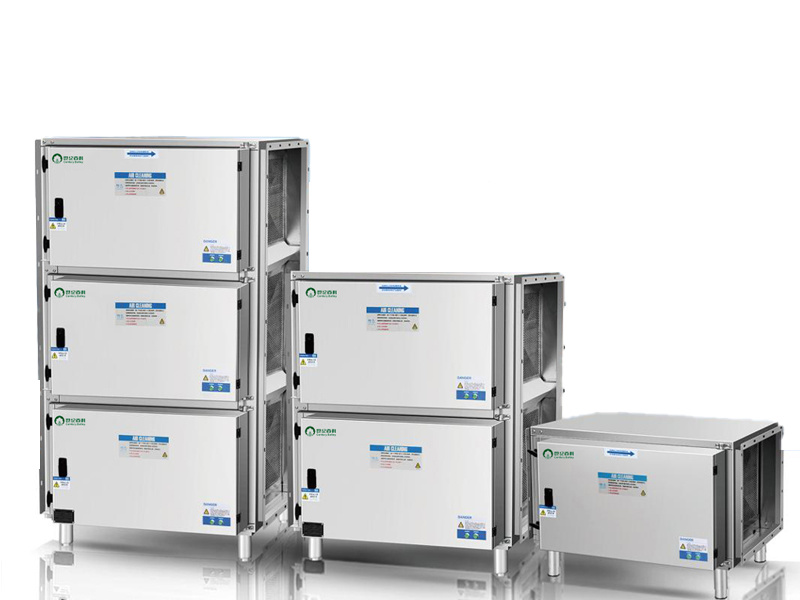
Dynamic fume purifiers are advanced air treatment systems designed to effectively capture and neutralize harmful airborne contaminants generated in various industrial processes. Unlike traditional fume extraction systems, these purifiers adapt to changes in air quality and pollutant concentrations, ensuring optimal performance and efficiency. The core technology of dynamic fume purifiers often includes the use of multi-stage filtration systems, electrostatic precipitation, and advanced catalytic oxidation processes.
One of the key advantages of dynamic fume purifiers is their ability to dynamically adjust to varying levels of emissions. This feature is particularly beneficial in environments where pollutant levels fluctuate due to changes in production activities. By continuously monitoring air quality in real time, these purifiers can optimize their operational parameters, ensuring that they effectively address even the most challenging air quality issues.
The implementation of dynamic fume purifiers not only helps to maintain a cleaner and safer working environment but also assists organizations in complying with stringent environmental regulations. As industries face increasing pressure to reduce their environmental footprint, these advanced systems provide a proactive solution to managing and reducing industrial emissions. Moreover, a well-maintained dynamic fume purification system can lead to decreased maintenance costs, as they are designed to minimize wear and tear through their adaptive capabilities.
In terms of applications, dynamic fume purifiers are particularly useful in industries such as manufacturing, food processing, and automotive, where the release of volatile organic compounds (VOCs) and other hazardous pollutants is common. Their versatility allows them to be integrated into existing manufacturing setups without significant modifications, making them an attractive option for businesses looking to enhance their air quality management systems.
In summary, dynamic fume purifiers represent a significant advancement in the field of air quality management. Their ability to adapt to varying pollutant levels while ensuring compliance with environmental regulations makes them an essential component for industries aiming to improve their air quality and operational efficiency. As the demand for cleaner air and sustainable practices continues to grow, investing in dynamic fume purification technology will be crucial for industries striving to meet these challenges head-on.
One of the key advantages of dynamic fume purifiers is their ability to dynamically adjust to varying levels of emissions. This feature is particularly beneficial in environments where pollutant levels fluctuate due to changes in production activities. By continuously monitoring air quality in real time, these purifiers can optimize their operational parameters, ensuring that they effectively address even the most challenging air quality issues.
The implementation of dynamic fume purifiers not only helps to maintain a cleaner and safer working environment but also assists organizations in complying with stringent environmental regulations. As industries face increasing pressure to reduce their environmental footprint, these advanced systems provide a proactive solution to managing and reducing industrial emissions. Moreover, a well-maintained dynamic fume purification system can lead to decreased maintenance costs, as they are designed to minimize wear and tear through their adaptive capabilities.
In terms of applications, dynamic fume purifiers are particularly useful in industries such as manufacturing, food processing, and automotive, where the release of volatile organic compounds (VOCs) and other hazardous pollutants is common. Their versatility allows them to be integrated into existing manufacturing setups without significant modifications, making them an attractive option for businesses looking to enhance their air quality management systems.
In summary, dynamic fume purifiers represent a significant advancement in the field of air quality management. Their ability to adapt to varying pollutant levels while ensuring compliance with environmental regulations makes them an essential component for industries aiming to improve their air quality and operational efficiency. As the demand for cleaner air and sustainable practices continues to grow, investing in dynamic fume purification technology will be crucial for industries striving to meet these challenges head-on.
More news



Hotline:+86 136 849 29821
Email:13684929821@139.com
Address:No. 6, Junzibubujun Industrial Road, Guanlan, Longhua New District, Shenzhen


