

-
AboutShenzhen Century Bailey Environmental Protection Technology Co., Ltd. (referred to as "Century Bailey") is located by the Guanlan Lake of the World Golf Village, adjacent to the Shanshui Tianyuan Tourism and Culture Park. It is a national high-tech enterprise and a specialized and new enterprise focusing on the research, development, production, and sales of catering industry oil fume purification products.
-
ProductShenzhen Century Bailey Environmental Protection Technology Co., Ltd. (referred to as "Century Bailey") is located by the Guanlan Lake of the World Golf Village, adjacent to the Shanshui Tianyuan Tourism and Culture Park. It is a national high-tech enterprise and a specialized and new enterprise focusing on the research, development, production, and sales of catering industry oil fume purification products.
-
Core AdvantagesShenzhen Century Bailey Environmental Protection Technology Co., Ltd. (referred to as "Century Bailey") is located by the Guanlan Lake of the World Golf Village, adjacent to the Shanshui Tianyuan Tourism and Culture Park. It is a national high-tech enterprise and a specialized and new enterprise focusing on the research, development, production, and sales of catering industry oil fume purification products.
-
CasesShenzhen Century Bailey Environmental Protection Technology Co., Ltd. (referred to as "Century Bailey") is located by the Guanlan Lake of the World Golf Village, adjacent to the Shanshui Tianyuan Tourism and Culture Park. It is a national high-tech enterprise and a specialized and new enterprise focusing on the research, development, production, and sales of catering industry oil fume purification products.
-
Customer serviceShenzhen Century Bailey Environmental Protection Technology Co., Ltd. (referred to as "Century Bailey") is located by the Guanlan Lake of the World Golf Village, adjacent to the Shanshui Tianyuan Tourism and Culture Park. It is a national high-tech enterprise and a specialized and new enterprise focusing on the research, development, production, and sales of catering industry oil fume purification products.
-
ContactShenzhen Century Bailey Environmental Protection Technology Co., Ltd. (referred to as "Century Bailey") is located by the Guanlan Lake of the World Golf Village, adjacent to the Shanshui Tianyuan Tourism and Culture Park. It is a national high-tech enterprise and a specialized and new enterprise focusing on the research, development, production, and sales of catering industry oil fume purification products.
Why Your Facility Needs a Low-Altitude Direct Exhaust Fume Purifier
Release time:
2026-03-10
Why Your Facility Needs a Low-Altitude Direct Exhaust Fume Purifier Understanding Fume Purification Fume purification is a critical process in various industries, particularly in manufacturing, food preparation, and laboratories. These environments often generate harmful airborne pollutants, which can pose serious health risks. A **low-altitude direct exhaust fume purifier** addresses these danger

Why Your Facility Needs a Low-Altitude Direct Exhaust Fume Purifier
Understanding Fume Purification
Fume purification is a critical process in various industries, particularly in manufacturing, food preparation, and laboratories. These environments often generate harmful airborne pollutants, which can pose serious health risks. A **low-altitude direct exhaust fume purifier** addresses these dangers by capturing and neutralizing harmful emissions at their source, ensuring cleaner air for your employees and compliance with safety regulations.
The Importance of Air Quality in Industrial Facilities
Air quality directly impacts employee health, productivity, and overall workplace safety. Poor air quality can lead to various health issues, from respiratory problems to chronic illnesses. The **World Health Organization (WHO)** emphasizes that air pollution is one of the leading causes of health problems worldwide. By investing in a low-altitude direct exhaust fume purifier, your facility can significantly improve air quality and create a safer work environment.
Health Implications of Poor Air Quality
Employees exposed to polluted air are at risk for multiple health complications. Common symptoms include headaches, dizziness, fatigue, and respiratory issues. Long-term exposure can exacerbate existing conditions like asthma and lead to more severe diseases. Implementing a fume purifier not only protects employees but also enhances their productivity and morale.
Regulatory Compliance and Liability
Many industries are subject to strict air quality regulations. Failing to comply with these standards can result in hefty fines, legal troubles, and reputational damage. A low-altitude direct exhaust fume purifier helps ensure that your facility meets or exceeds local and federal air quality standards, safeguarding your business against potential liabilities.
How Low-Altitude Direct Exhaust Fume Purifiers Work
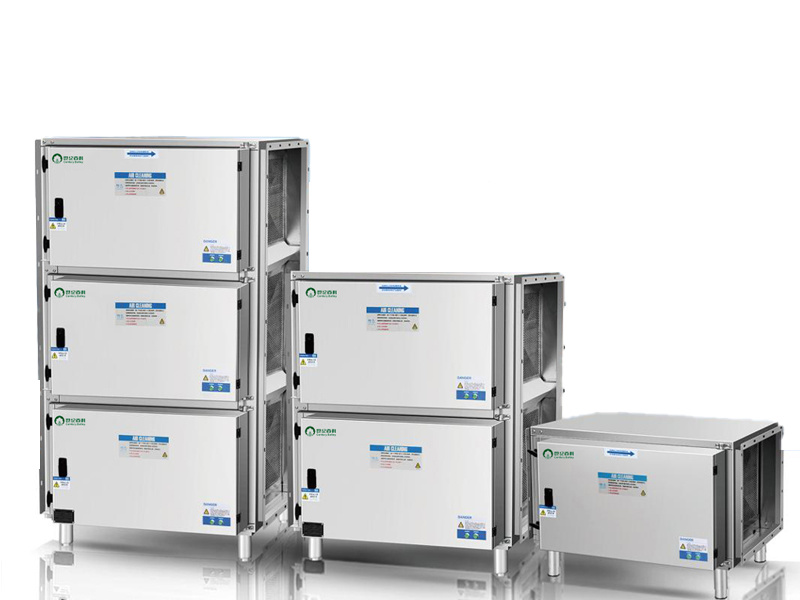
Understanding the mechanics of low-altitude direct exhaust fume purifiers is essential for recognizing their benefits. These systems are designed to capture airborne pollutants at their source, using advanced filtration and purification technologies.
Key Features of Low-Altitude Fume Purifiers
1. **Direct Capture Technology**: These purifiers are strategically positioned close to the source of emissions, ensuring that harmful particles are captured before they disperse into the air.
2. **Multi-Stage Filtration**: Most low-altitude fume purifiers employ multiple filtration stages, including pre-filters, HEPA filters, and activated carbon filters, to remove various particle sizes and odors effectively.
3. **Energy Efficiency**: Modern units are designed to be energy-efficient, reducing operational costs while maintaining high-performance standards.
4. **Real-Time Air Monitoring**: Many systems come equipped with sensors that monitor air quality in real-time, providing valuable data for facility managers to make informed decisions.
5. **Modular Design**: Low-altitude direct exhaust fume purifiers can be tailored to fit the specific needs of your facility, allowing for easy integration into existing systems.
Benefits of Implementing Low-Altitude Direct Exhaust Fume Purifiers
The advantages of incorporating low-altitude direct exhaust fume purifiers in your facility are numerous and impactful.
1. Enhanced Employee Health and Safety
The primary benefit of installing a fume purifier is the significant improvement in employee health. By reducing the concentration of harmful particles, you create a safer workspace, which can decrease the incidence of work-related illnesses.
2. Improved Operational Efficiency
Cleaner air often translates to enhanced operational efficiency. Employees are likely to experience fewer sick days and higher productivity levels when they work in a healthier environment. A well-functioning purification system also minimizes downtime related to health concerns.
3. Cost Savings
While the initial investment in a low-altitude direct exhaust fume purifier may seem significant, the long-term savings can be substantial. Reduced healthcare costs, fewer regulatory fines, and improved productivity all contribute to a favorable return on investment.
4. Environmental Responsibility
By utilizing advanced fume purification systems, your facility demonstrates a commitment to environmental stewardship. Reducing emissions not only benefits your employees but also contributes to the broader goal of sustainable industrial practices.
5. Customization and Scalability
Low-altitude fume purifiers can be customized to meet the specific needs of your facility, regardless of the industry. Whether you operate a small workshop or a large manufacturing plant, these systems can be scaled to match your operational requirements.
Choosing the Right Low-Altitude Direct Exhaust Fume Purifier
Selecting the right fume purifier for your facility is crucial for maximizing its benefits. Consider the following factors when making your choice:
1. Emission Types and Concentrations
Different industries produce various types of emissions. Understanding the specific pollutants your facility generates will guide you in selecting the appropriate filtration technology.
2. Facility Layout and Design
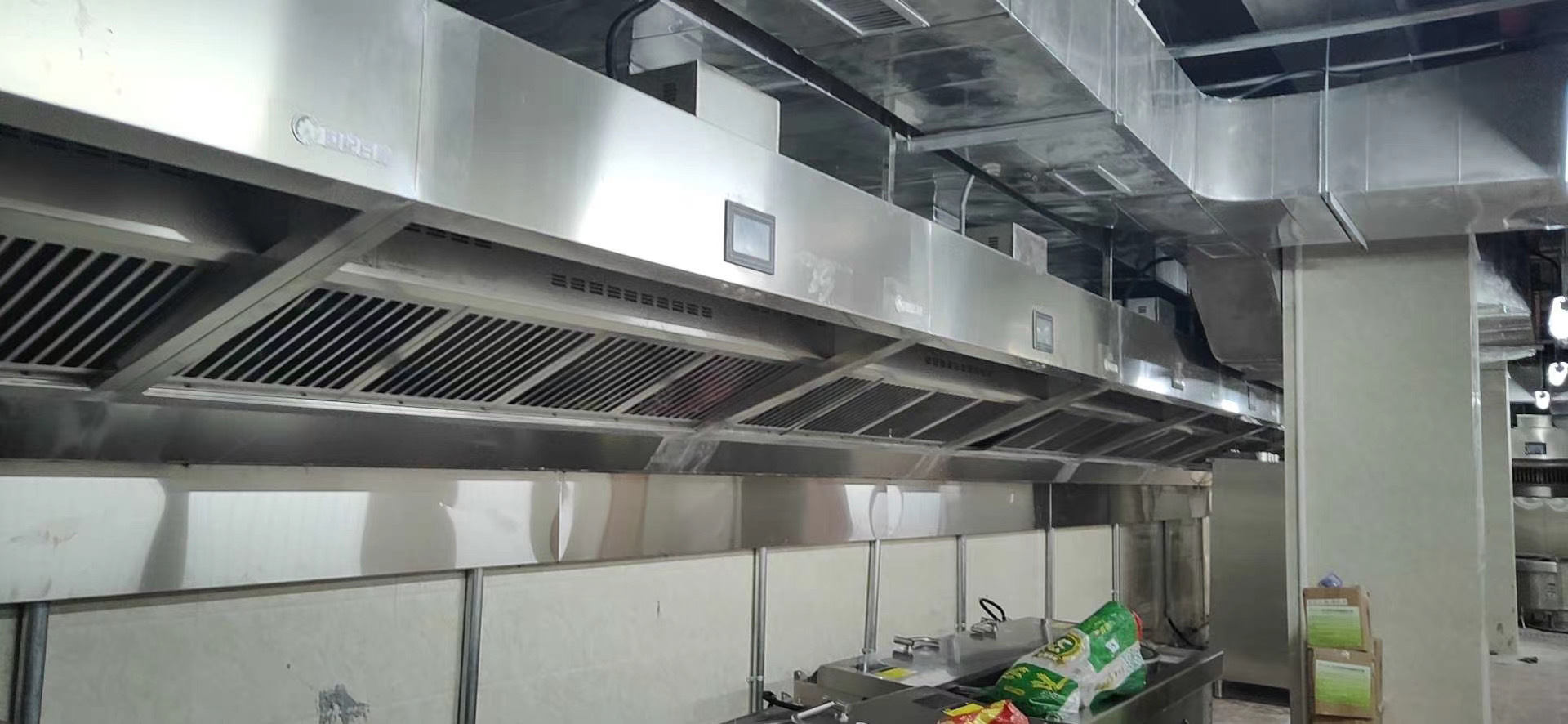
Consider the layout of your facility when choosing a fume purifier. Low-altitude systems need to be strategically placed for optimal performance, taking into account air flow patterns and potential obstructions.
3. Maintenance Requirements
Regular maintenance is essential for ensuring the longevity and effectiveness of your fume purifier. Evaluate the maintenance needs of prospective units and consider your facility's capacity to manage these requirements.
4. Compliance with Industry Standards
Ensure that the purifier you select meets all relevant industry standards and regulations. Consult with manufacturers to confirm that their systems are compliant with local and federal guidelines.
5. Budget Considerations
While it's essential to consider the upfront costs of purchasing a fume purifier, also account for long-term operational expenses. Evaluate the total cost of ownership, including energy consumption and maintenance, to make an informed decision.
Installation and Maintenance of Low-Altitude Direct Exhaust Fume Purifiers
Proper installation and maintenance are critical for the efficiency of low-altitude direct exhaust fume purifiers.
Installation Guidelines
1. **Professional Assessment**: Hire professionals to assess your facility and recommend the best location for the purifier.
2. **Follow Manufacturer Instructions**: Adhere strictly to the manufacturer's installation guidelines to ensure optimal performance.
3. **Testing and Calibration**: After installation, conduct thorough testing to ensure the system operates effectively and meets the desired air quality standards.
Regular Maintenance Practices
1. **Filter Replacement**: Establish a routine schedule for changing filters according to the manufacturer's recommendations.
2. **System Inspections**: Regularly inspect the system for any signs of wear and tear or malfunction. Promptly address any issues to maintain performance.
3. **Performance Monitoring**: Use the built-in air quality monitoring features to track system performance and identify when adjustments are necessary.
Conclusion
In today’s industrial landscape, ensuring the safety and health of employees is non-negotiable. A **low-altitude direct exhaust fume purifier** serves as an essential component in achieving this goal. By improving air quality, enhancing operational efficiency, and ensuring regulatory compliance, these systems not only protect your workforce but also contribute to the overall success and sustainability of your facility. Investing in a fume purifier is a proactive measure that pays dividends in health, productivity, and peace of mind. Embrace this technology to foster a safer and more efficient work environment.
FAQs
1. What industries benefit most from low-altitude direct exhaust fume purifiers?
Industries such as manufacturing, food processing, automotive, and laboratories can significantly benefit from these systems due to the nature of their operations.
2. How often should filters be replaced in a fume purifier?
Filter replacement frequency depends on usage and manufacturer's recommendations, but a general guideline is every 6 to 12 months.
3. Can low-altitude fume purifiers improve workplace morale?
Yes, by ensuring better air quality, these purifiers contribute to a healthier environment, which can enhance employee morale and productivity.
4. Are low-altitude fume purifiers energy efficient?
Modern units are designed with energy efficiency in mind, minimizing operational costs while providing effective air purification.
5. How do I choose the best fume purifier for my facility?
Consider factors such as emission types, facility layout, maintenance requirements, regulatory compliance, and budget when selecting a fume purifier.
More news


Hotline:+86 136 849 29821
Email:13684929821@139.com
Address:No. 6, Junzibubujun Industrial Road, Guanlan, Longhua New District, Shenzhen


