

-
AboutShenzhen Century Bailey Environmental Protection Technology Co., Ltd. (referred to as "Century Bailey") is located by the Guanlan Lake of the World Golf Village, adjacent to the Shanshui Tianyuan Tourism and Culture Park. It is a national high-tech enterprise and a specialized and new enterprise focusing on the research, development, production, and sales of catering industry oil fume purification products.

-
ProductShenzhen Century Bailey Environmental Protection Technology Co., Ltd. (referred to as "Century Bailey") is located by the Guanlan Lake of the World Golf Village, adjacent to the Shanshui Tianyuan Tourism and Culture Park. It is a national high-tech enterprise and a specialized and new enterprise focusing on the research, development, production, and sales of catering industry oil fume purification products.
-
Core AdvantagesShenzhen Century Bailey Environmental Protection Technology Co., Ltd. (referred to as "Century Bailey") is located by the Guanlan Lake of the World Golf Village, adjacent to the Shanshui Tianyuan Tourism and Culture Park. It is a national high-tech enterprise and a specialized and new enterprise focusing on the research, development, production, and sales of catering industry oil fume purification products.
-
CasesShenzhen Century Bailey Environmental Protection Technology Co., Ltd. (referred to as "Century Bailey") is located by the Guanlan Lake of the World Golf Village, adjacent to the Shanshui Tianyuan Tourism and Culture Park. It is a national high-tech enterprise and a specialized and new enterprise focusing on the research, development, production, and sales of catering industry oil fume purification products.
-
Customer serviceShenzhen Century Bailey Environmental Protection Technology Co., Ltd. (referred to as "Century Bailey") is located by the Guanlan Lake of the World Golf Village, adjacent to the Shanshui Tianyuan Tourism and Culture Park. It is a national high-tech enterprise and a specialized and new enterprise focusing on the research, development, production, and sales of catering industry oil fume purification products.
-
ContactShenzhen Century Bailey Environmental Protection Technology Co., Ltd. (referred to as "Century Bailey") is located by the Guanlan Lake of the World Golf Village, adjacent to the Shanshui Tianyuan Tourism and Culture Park. It is a national high-tech enterprise and a specialized and new enterprise focusing on the research, development, production, and sales of catering industry oil fume purification products.

A Comprehensive Analysis of High-Volume Oil Fume Purifiers: Efficiency and Impact
Release time:
2026-03-04
A Comprehensive Analysis of High-Volume Oil Fume Purifiers: Efficiency and Impact Table of Contents 1. Introduction to High-Volume Oil Fume Purifiers 2. What Are Oil Fume Purifiers? 3. Importance of Air Quality in Industrial Settings 4. How High-Volume Oil Fume Purifiers Work 4.1 The Filtration Process 4.2 The Role of Active Components

A Comprehensive Analysis of High-Volume Oil Fume Purifiers: Efficiency and Impact
Table of Contents
- 1. Introduction to High-Volume Oil Fume Purifiers
- 2. What Are Oil Fume Purifiers?
- 3. Importance of Air Quality in Industrial Settings
- 4. How High-Volume Oil Fume Purifiers Work
- 5. Evaluating the Efficiency of High-Volume Oil Fume Purifiers
- 6. Benefits of Using High-Volume Oil Fume Purifiers
- 7. Case Studies: Success Stories of High-Volume Oil Fume Purifiers
- 8. The Future of Oil Fume Purification Technology
- 9. FAQs about High-Volume Oil Fume Purifiers
- 10. Conclusion
1. Introduction to High-Volume Oil Fume Purifiers
In today’s industrial landscape, the emphasis on maintaining air quality has never been more crucial. High-volume oil fume purifiers emerge as a vital solution to combat the harmful emissions produced during industrial processes. These advanced systems not only enhance workplace safety but also contribute significantly to environmental sustainability.
2. What Are Oil Fume Purifiers?
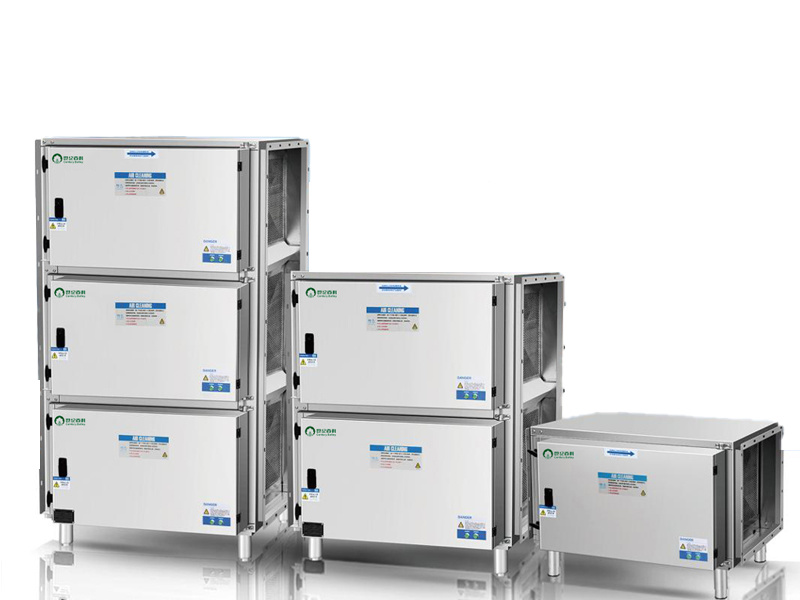
Oil fume purifiers are specialized devices designed to capture and eliminate harmful oil vapors and particulates from the air. They are essential in environments where heavy oils are utilized, such as in manufacturing, cooking, and automotive industries. By efficiently filtering these pollutants, oil fume purifiers play a vital role in ensuring a safer and cleaner atmosphere.
3. Importance of Air Quality in Industrial Settings
Maintaining good air quality is paramount in industrial settings. Contaminated air can lead to severe health issues among workers, including respiratory problems and long-term illnesses. Furthermore, poor air quality can adversely affect machinery performance and increase the risk of accidents. Hence, implementing effective air purification systems becomes essential for operational efficiency and worker health.
4. How High-Volume Oil Fume Purifiers Work
Understanding the operational mechanics of high-volume oil fume purifiers is crucial in appreciating their efficiency.
4.1 The Filtration Process
High-volume oil fume purifiers utilize a multi-stage filtration process to remove impurities. Initially, larger particulates are captured using pre-filters, followed by advanced filtration methods that target smaller particles, including oil mists and fumes. The final stage often involves activated carbon filters to neutralize residual odors and harmful gases.
4.2 The Role of Active Components
Active components, such as electrostatic precipitators or UV light, enhance the filtration process. These components not only increase the purifier’s overall efficiency but also contribute to the longevity of the filtering media by reducing contaminant buildup.
5. Evaluating the Efficiency of High-Volume Oil Fume Purifiers
To understand the effectiveness of high-volume oil fume purifiers, one must evaluate their performance metrics.
5.1 Real-World Performance Metrics
Efficiency metrics are typically determined by measuring the reduction of airborne contaminants. The best units can achieve up to 99% removal efficiency under optimal conditions. Regular monitoring and maintenance ensure these systems operate within their designed parameters.
5.2 Comparison with Traditional Oil Fume Removal Methods
When compared to traditional methods, such as simple exhaust systems, high-volume oil fume purifiers exhibit significantly better performance in terms of capturing harmful particles. Traditional systems may rely on passive filtration, which often falls short in environments with high pollutant loads.
6. Benefits of Using High-Volume Oil Fume Purifiers
The integration of high-volume oil fume purifiers offers numerous advantages to industries.
6.1 Cost-Effectiveness
While the initial investment may seem substantial, the long-term cost savings from reduced health issues, improved worker productivity, and lower equipment maintenance costs often outweigh the initial expenditure. Additionally, many jurisdictions offer incentives for adopting environmentally friendly technologies, further enhancing the cost-effectiveness of these systems.
6.2 Regulatory Compliance
With rising environmental regulations, industries are pressed to comply with stringent air quality standards. High-volume oil fume purifiers not only help to meet these regulations but also position companies as responsible corporate citizens committed to sustainability.
7. Case Studies: Success Stories of High-Volume Oil Fume Purifiers
Several industries have reaped the benefits of high-volume oil fume purifiers. For instance, a large automotive manufacturer reported a 75% reduction in airborne particulates after installing these systems, resulting in significant health benefits for employees and compliance with local regulations.
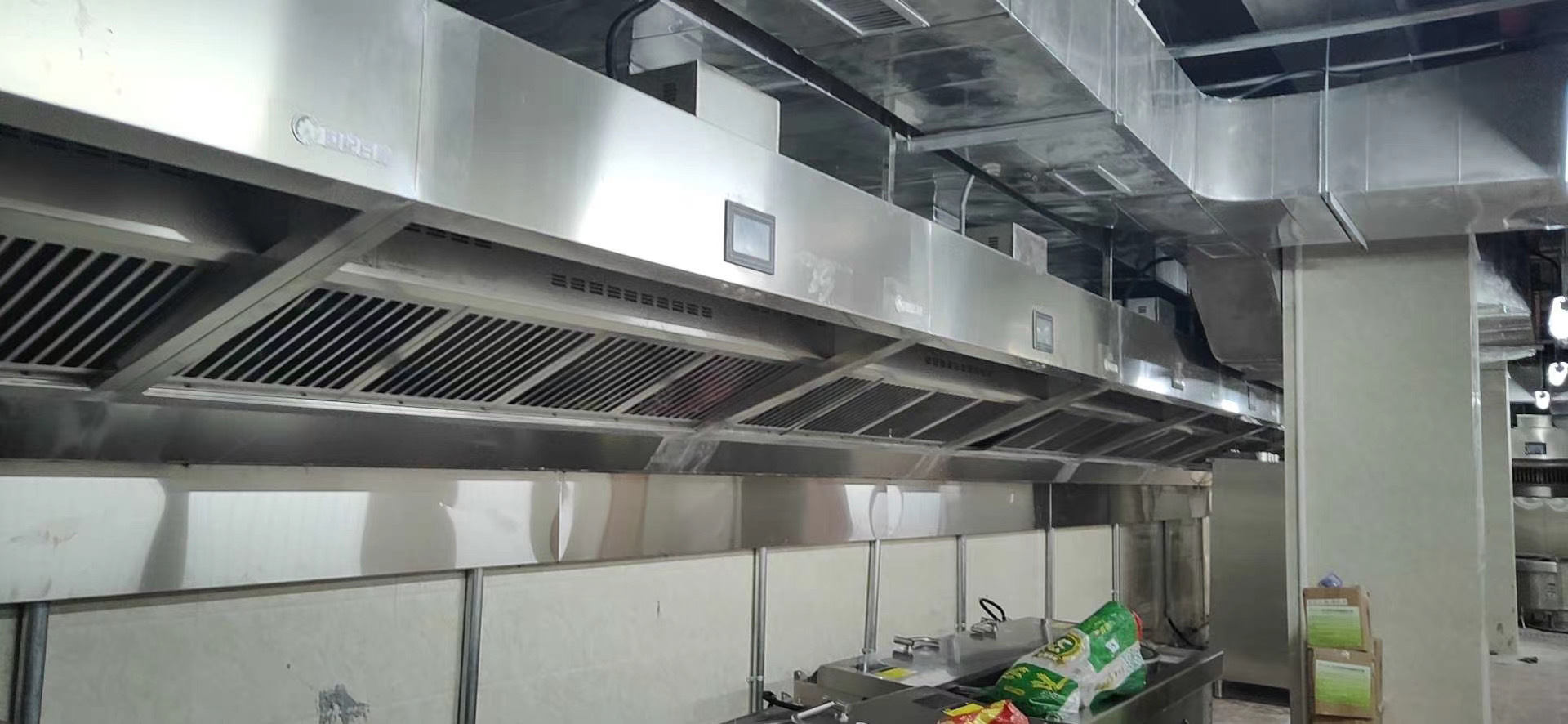
Another case involved a cooking facility using heavy oils, which saw a marked improvement in air quality, with employee satisfaction ratings increasing alongside productivity levels.
8. The Future of Oil Fume Purification Technology
As technology advances, the future of oil fume purification looks promising. Innovations in filtration materials and techniques, such as nanotechnology and machine learning, are expected to enhance performance, making systems more efficient and user-friendly. The integration of IoT devices for real-time monitoring will also provide valuable insights into system performance, ensuring optimal operation.
9. FAQs about High-Volume Oil Fume Purifiers
**Q1: How often should oil fume purifiers be maintained?**
A1: Regular maintenance is recommended every three to six months, depending on usage intensity.
**Q2: Can high-volume oil fume purifiers handle multiple types of pollutants?**
A2: Yes, many modern systems are designed to remove various pollutants, including smoke, grease, and odors.
**Q3: What industries benefit most from oil fume purifiers?**
A3: Industries such as food processing, automotive manufacturing, and metalworking are significant beneficiaries.
**Q4: Are there any environmental benefits to using oil fume purifiers?**
A4: Absolutely, these purifiers help reduce airborne pollutants, promoting better air quality and environmental sustainability.
**Q5: How do I select the right oil fume purifier for my facility?**
A5: Consider factors like the volume of air needing purification, types of pollutants, and specific industry regulations.
10. Conclusion
High-volume oil fume purifiers stand as a critical element in modern industrial air quality management. Their advanced technology and proven efficiency not only protect workers’ health but also support environmental sustainability and regulatory compliance. As industries evolve, investing in advanced purification systems will be essential for ensuring a safe and productive work environment. By embracing these innovations, businesses can confidently navigate the challenges of an ever-changing industrial landscape.
More news


Hotline:+86 136 849 29821
Email:13684929821@139.com
Address:No. 6, Junzibubujun Industrial Road, Guanlan, Longhua New District, Shenzhen


