

-
AboutShenzhen Century Bailey Environmental Protection Technology Co., Ltd. (referred to as "Century Bailey") is located by the Guanlan Lake of the World Golf Village, adjacent to the Shanshui Tianyuan Tourism and Culture Park. It is a national high-tech enterprise and a specialized and new enterprise focusing on the research, development, production, and sales of catering industry oil fume purification products.
-
ProductShenzhen Century Bailey Environmental Protection Technology Co., Ltd. (referred to as "Century Bailey") is located by the Guanlan Lake of the World Golf Village, adjacent to the Shanshui Tianyuan Tourism and Culture Park. It is a national high-tech enterprise and a specialized and new enterprise focusing on the research, development, production, and sales of catering industry oil fume purification products.
-
Core AdvantagesShenzhen Century Bailey Environmental Protection Technology Co., Ltd. (referred to as "Century Bailey") is located by the Guanlan Lake of the World Golf Village, adjacent to the Shanshui Tianyuan Tourism and Culture Park. It is a national high-tech enterprise and a specialized and new enterprise focusing on the research, development, production, and sales of catering industry oil fume purification products.
-
CasesShenzhen Century Bailey Environmental Protection Technology Co., Ltd. (referred to as "Century Bailey") is located by the Guanlan Lake of the World Golf Village, adjacent to the Shanshui Tianyuan Tourism and Culture Park. It is a national high-tech enterprise and a specialized and new enterprise focusing on the research, development, production, and sales of catering industry oil fume purification products.
-
Customer serviceShenzhen Century Bailey Environmental Protection Technology Co., Ltd. (referred to as "Century Bailey") is located by the Guanlan Lake of the World Golf Village, adjacent to the Shanshui Tianyuan Tourism and Culture Park. It is a national high-tech enterprise and a specialized and new enterprise focusing on the research, development, production, and sales of catering industry oil fume purification products.
-
ContactShenzhen Century Bailey Environmental Protection Technology Co., Ltd. (referred to as "Century Bailey") is located by the Guanlan Lake of the World Golf Village, adjacent to the Shanshui Tianyuan Tourism and Culture Park. It is a national high-tech enterprise and a specialized and new enterprise focusing on the research, development, production, and sales of catering industry oil fume purification products.
Maximizing Efficiency with Automatic Cleaning Purifiers in Industrial Applications
Release time:
2026-03-01
Automatic cleaning purifiers are increasingly becoming essential components in industrial settings, particularly in sectors where air quality is paramount. These systems are designed to operate continuously while maintaining optimal performance through self-cleaning capabilities. This feature not only reduces operational downtime but also minimizes the need for manual maintenance, making it an att

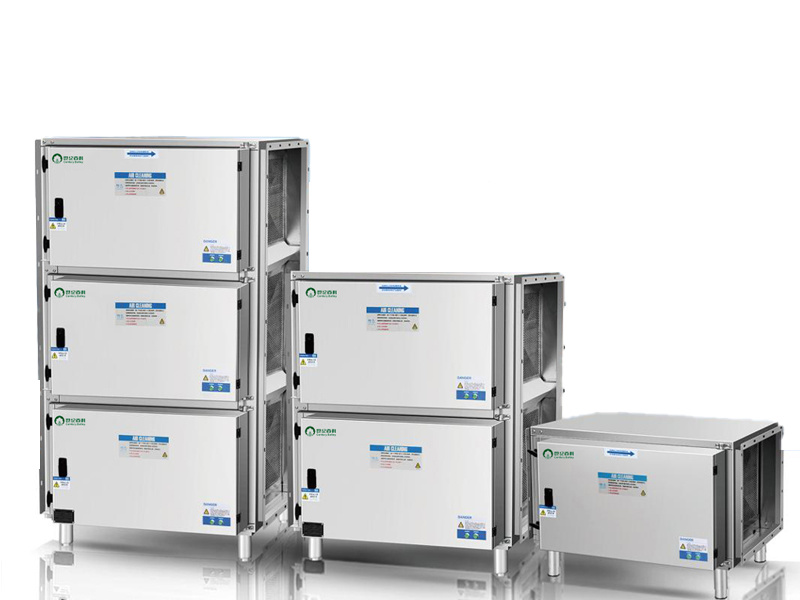
Automatic cleaning purifiers are increasingly becoming essential components in industrial settings, particularly in sectors where air quality is paramount. These systems are designed to operate continuously while maintaining optimal performance through self-cleaning capabilities. This feature not only reduces operational downtime but also minimizes the need for manual maintenance, making it an attractive solution for businesses aiming to improve efficiency.
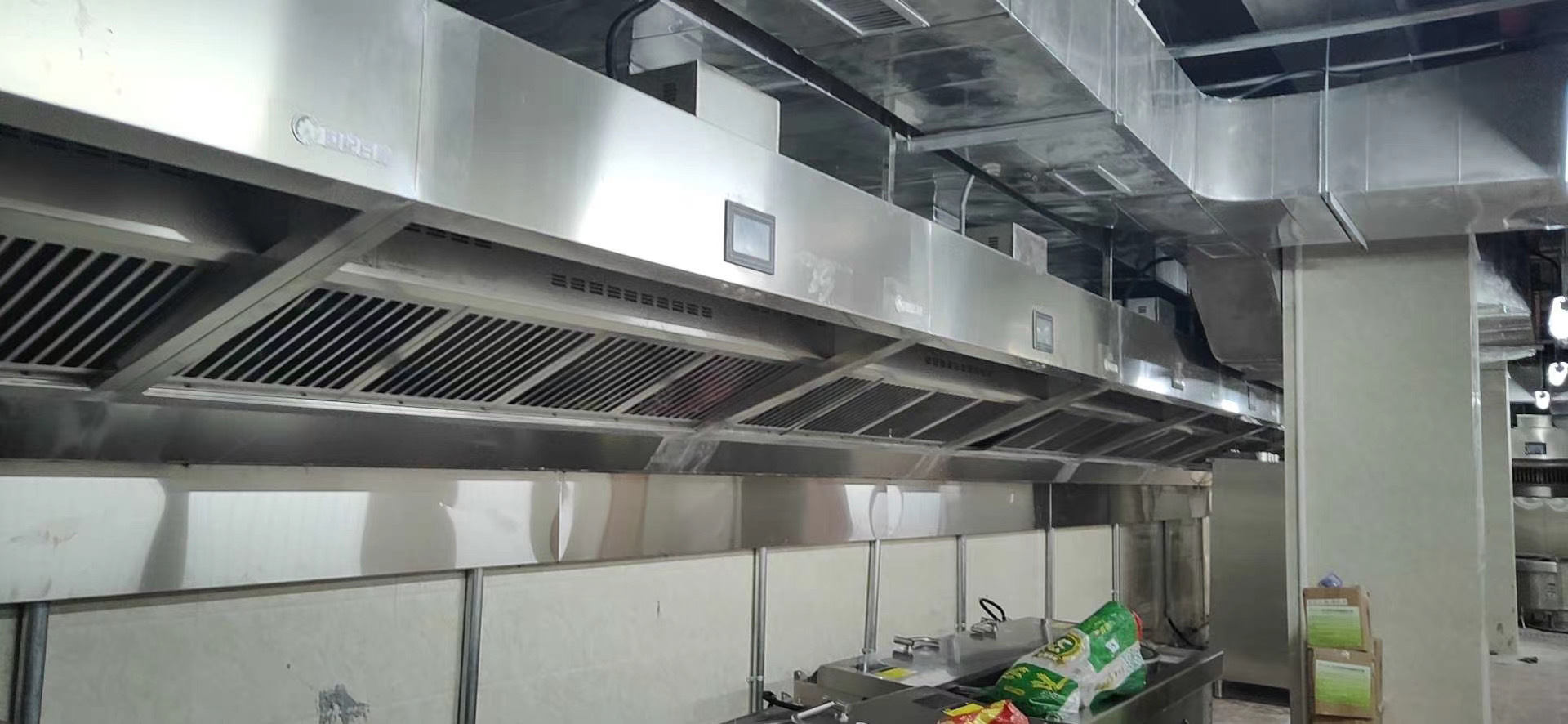
One of the primary advantages of automatic cleaning purifiers is their ability to maintain high levels of air purity without significant human intervention. Traditional air purification systems often require periodic manual cleaning or filter replacement, which can lead to interruptions in operations and increased labor costs. In contrast, automatic cleaning purifiers utilize advanced filtration technologies that periodically cleanse themselves, ensuring that the air remains free from particulate matter, oil smoke, and other contaminants.
The technology behind these purifiers typically involves a combination of electrostatic precipitation and advanced filtration media. Electrostatic precipitators can capture particles as small as 0.01 microns, making them effective for a range of industrial applications, from food processing to automotive manufacturing. Furthermore, the self-cleaning function employs techniques such as reverse air flow or mechanical shaking, which effectively dislodge accumulated particles without the need for complex manual processes.
In addition to operational efficiency, automatic cleaning purifiers also contribute to improved workplace safety and compliance with environmental regulations. By ensuring that airborne contaminants are continuously filtered out, these systems help organizations adhere to industry standards for air quality, thereby reducing the risk of health issues among employees and potential fines from regulatory bodies.
Another key aspect to consider when implementing automatic cleaning purifiers is their energy efficiency. Many modern systems are designed to operate with minimal energy consumption while delivering maximum purification effectiveness. This not only leads to reduced operational costs but also aligns with the growing emphasis on sustainability within the industrial sector.
Moreover, the integration of smart technology in some automatic cleaning purifiers allows for real-time monitoring and data analytics. This feature enables facility managers to track air quality metrics, filter status, and system performance remotely, facilitating proactive maintenance and decision-making.
In conclusion, adopting automatic cleaning purifiers offers substantial benefits for industrial operations looking to enhance air quality, operational efficiency, and regulatory compliance. By minimizing manual maintenance requirements and ensuring consistent performance, these systems represent a forward-thinking solution for modern air purification needs. As industries continue to prioritize health and safety, the automatic cleaning purifier will undoubtedly play a vital role in shaping cleaner, safer work environments.
One of the primary advantages of automatic cleaning purifiers is their ability to maintain high levels of air purity without significant human intervention. Traditional air purification systems often require periodic manual cleaning or filter replacement, which can lead to interruptions in operations and increased labor costs. In contrast, automatic cleaning purifiers utilize advanced filtration technologies that periodically cleanse themselves, ensuring that the air remains free from particulate matter, oil smoke, and other contaminants.
The technology behind these purifiers typically involves a combination of electrostatic precipitation and advanced filtration media. Electrostatic precipitators can capture particles as small as 0.01 microns, making them effective for a range of industrial applications, from food processing to automotive manufacturing. Furthermore, the self-cleaning function employs techniques such as reverse air flow or mechanical shaking, which effectively dislodge accumulated particles without the need for complex manual processes.
In addition to operational efficiency, automatic cleaning purifiers also contribute to improved workplace safety and compliance with environmental regulations. By ensuring that airborne contaminants are continuously filtered out, these systems help organizations adhere to industry standards for air quality, thereby reducing the risk of health issues among employees and potential fines from regulatory bodies.
Another key aspect to consider when implementing automatic cleaning purifiers is their energy efficiency. Many modern systems are designed to operate with minimal energy consumption while delivering maximum purification effectiveness. This not only leads to reduced operational costs but also aligns with the growing emphasis on sustainability within the industrial sector.
Moreover, the integration of smart technology in some automatic cleaning purifiers allows for real-time monitoring and data analytics. This feature enables facility managers to track air quality metrics, filter status, and system performance remotely, facilitating proactive maintenance and decision-making.
In conclusion, adopting automatic cleaning purifiers offers substantial benefits for industrial operations looking to enhance air quality, operational efficiency, and regulatory compliance. By minimizing manual maintenance requirements and ensuring consistent performance, these systems represent a forward-thinking solution for modern air purification needs. As industries continue to prioritize health and safety, the automatic cleaning purifier will undoubtedly play a vital role in shaping cleaner, safer work environments.
More news


Hotline:+86 136 849 29821
Email:13684929821@139.com
Address:No. 6, Junzibubujun Industrial Road, Guanlan, Longhua New District, Shenzhen


