

-
AboutShenzhen Century Bailey Environmental Protection Technology Co., Ltd. (referred to as "Century Bailey") is located by the Guanlan Lake of the World Golf Village, adjacent to the Shanshui Tianyuan Tourism and Culture Park. It is a national high-tech enterprise and a specialized and new enterprise focusing on the research, development, production, and sales of catering industry oil fume purification products.

-
ProductShenzhen Century Bailey Environmental Protection Technology Co., Ltd. (referred to as "Century Bailey") is located by the Guanlan Lake of the World Golf Village, adjacent to the Shanshui Tianyuan Tourism and Culture Park. It is a national high-tech enterprise and a specialized and new enterprise focusing on the research, development, production, and sales of catering industry oil fume purification products.
-
Core AdvantagesShenzhen Century Bailey Environmental Protection Technology Co., Ltd. (referred to as "Century Bailey") is located by the Guanlan Lake of the World Golf Village, adjacent to the Shanshui Tianyuan Tourism and Culture Park. It is a national high-tech enterprise and a specialized and new enterprise focusing on the research, development, production, and sales of catering industry oil fume purification products.
-
CasesShenzhen Century Bailey Environmental Protection Technology Co., Ltd. (referred to as "Century Bailey") is located by the Guanlan Lake of the World Golf Village, adjacent to the Shanshui Tianyuan Tourism and Culture Park. It is a national high-tech enterprise and a specialized and new enterprise focusing on the research, development, production, and sales of catering industry oil fume purification products.
-
Customer serviceShenzhen Century Bailey Environmental Protection Technology Co., Ltd. (referred to as "Century Bailey") is located by the Guanlan Lake of the World Golf Village, adjacent to the Shanshui Tianyuan Tourism and Culture Park. It is a national high-tech enterprise and a specialized and new enterprise focusing on the research, development, production, and sales of catering industry oil fume purification products.
-
ContactShenzhen Century Bailey Environmental Protection Technology Co., Ltd. (referred to as "Century Bailey") is located by the Guanlan Lake of the World Golf Village, adjacent to the Shanshui Tianyuan Tourism and Culture Park. It is a national high-tech enterprise and a specialized and new enterprise focusing on the research, development, production, and sales of catering industry oil fume purification products.

Dynamic Fume Purifiers: The Future of Air Pollution Control in Industries
Release time:
2026-02-26
Dynamic Fume Purifiers: The Future of Air Pollution Control in Industries Introduction to Air Pollution Control in Industrial Settings In today’s industrial landscape, air pollution poses a significant challenge, affecting not only the environment but also the health of workers and nearby communities. As industries evolve, so does the need for efficient air pollution control systems. Dynamic f

Dynamic Fume Purifiers: The Future of Air Pollution Control in Industries
Introduction to Air Pollution Control in Industrial Settings
In today’s industrial landscape, air pollution poses a significant challenge, affecting not only the environment but also the health of workers and nearby communities. As industries evolve, so does the need for efficient air pollution control systems. Dynamic fume purifiers are emerging as a game-changer, offering innovative solutions that not only meet regulatory standards but also enhance operational efficiency.
What Are Dynamic Fume Purifiers?
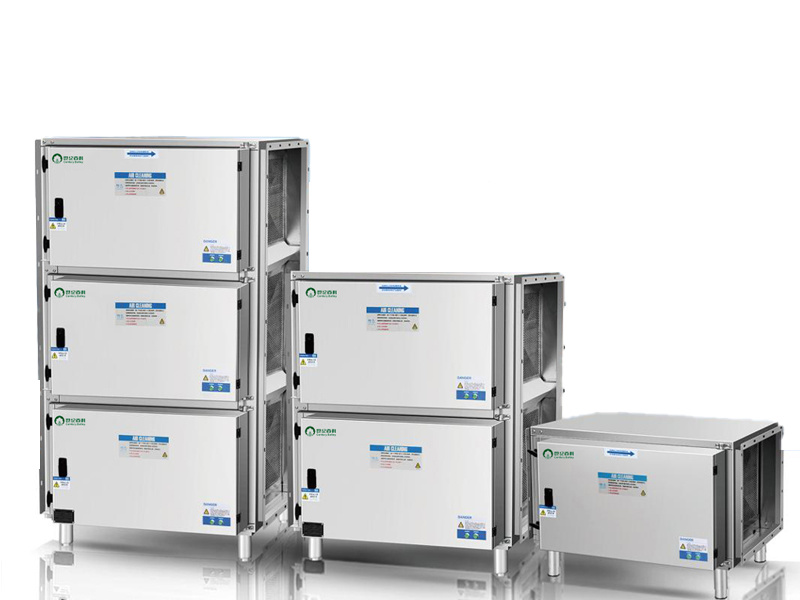
Dynamic fume purifiers are advanced air filtration systems designed to capture and neutralize hazardous emissions produced during industrial processes. Unlike traditional static purifiers, dynamic systems utilize airflow dynamics to optimize contaminant removal, providing cleaner air and a safer workplace.
How Dynamic Fume Purifiers Work
Dynamic fume purifiers operate on the principle of creating a controlled airflow that effectively captures pollutants. Here’s how they function:
1. **Air Intake**: Contaminated air is drawn into the purifier through strategically placed vents.
2. **Filtration**: The air passes through multiple filtration stages, including pre-filters for larger particles and advanced filters for smaller, gaseous contaminants.
3. **Neutralization**: Depending on the technology, harmful compounds might be neutralized using chemical reactions or catalytic processes.
4. **Clean Air Release**: Finally, purified air is released back into the environment, ensuring that emissions are minimized.
Advantages of Dynamic Fume Purifiers
Dynamic fume purifiers come with several benefits that make them suitable for diverse industrial applications:
- **Enhanced Efficiency**: They are designed to capture a broader range of pollutants with higher efficiency rates.
- **Flexibility**: These systems can be tailored to meet specific industrial needs, accommodating varying emission levels and types.
- **Lower Operational Costs**: Many dynamic systems require less maintenance and energy, translating to reduced operational expenses over time.
Why Are Dynamic Fume Purifiers Crucial for Industries?
The implementation of dynamic fume purifiers is not merely about compliance; it reflects a commitment to sustainability and social responsibility. Here are some crucial reasons why industries are adopting these advanced systems:
1. Regulatory Compliance
Governments worldwide are tightening regulations regarding air quality. Dynamic fume purifiers help industries comply with these laws, avoiding hefty fines and legal repercussions.
2. Protecting Worker Health
Employee safety should always be a priority. By reducing airborne contaminants, dynamic fume purifiers contribute to a healthier workplace, decreasing the risk of respiratory issues and other health concerns.
3. Environmental Responsibility
Industries are increasingly held accountable for their environmental impact. Implementing these advanced technologies demonstrates a commitment to reducing air pollution and promoting sustainable practices.
Key Applications of Dynamic Fume Purifiers
Dynamic fume purifiers find applications across various industries, including:
Manufacturing
In manufacturing settings, processes such as welding and painting generate significant fumes. Dynamic fume purifiers effectively capture harmful particles and volatile organic compounds (VOCs), ensuring a safer environment.
Food Processing
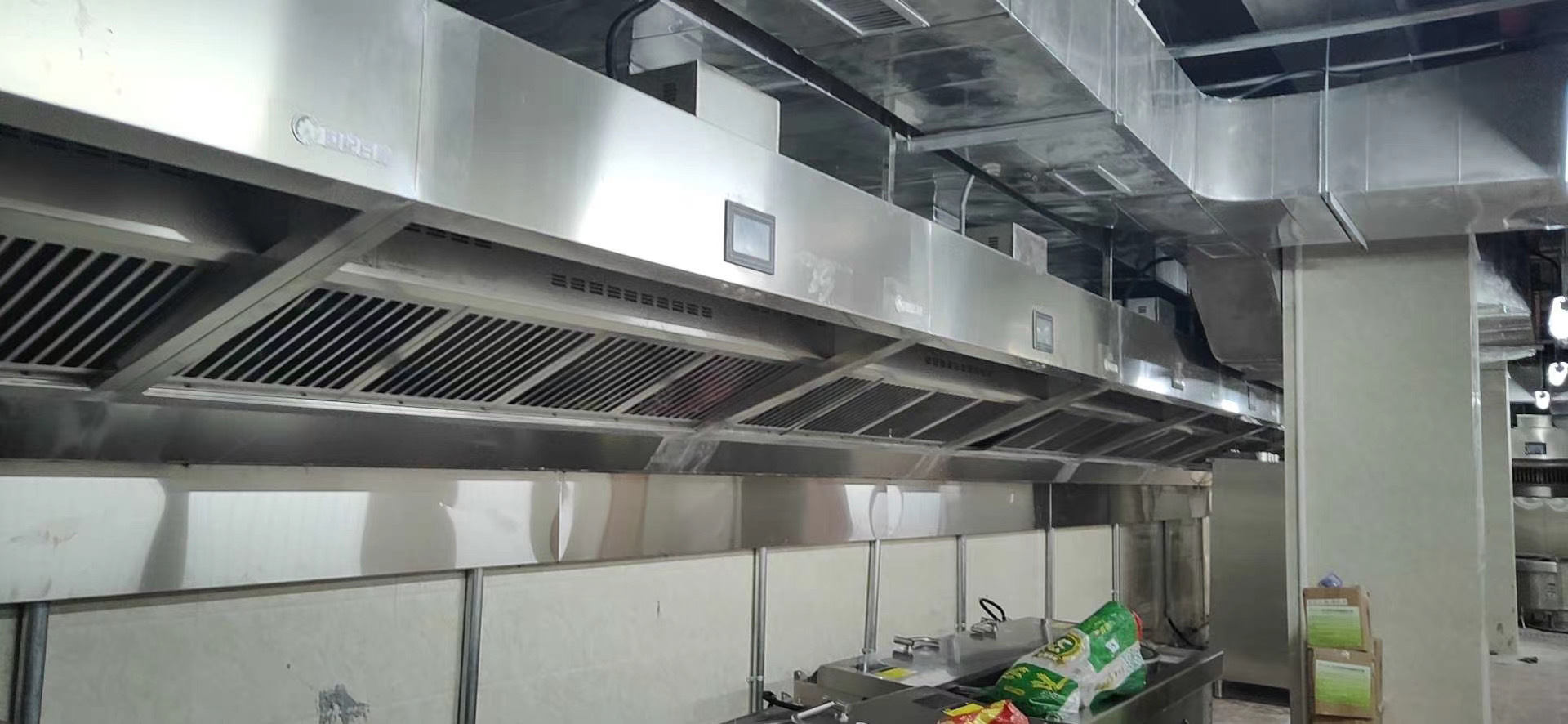
Food processing facilities must adhere to strict hygiene standards. Dynamic fume purifiers help maintain air quality, preventing contamination and ensuring compliance with health regulations.
Pharmaceuticals
The pharmaceutical industry deals with hazardous compounds that can pose serious risks. Dynamic purification systems provide critical air quality control, enhancing worker safety and product integrity.
Automotive Industries
In automotive manufacturing, processes like painting and finishing release harmful fumes. Dynamic fume purifiers ensure that emissions are minimized, aligning with environmental standards while improving workplace safety.
Technological Innovations in Dynamic Fume Purification
The future of air pollution control is being shaped by ongoing technological innovations. Here are some notable advancements:
1. Smart Sensors and Automation
Integrating smart sensors enables dynamic fume purifiers to monitor air quality in real-time. Automated systems can adjust filtration settings based on current conditions, optimizing performance and energy use.
2. Advanced Filtration Technologies
Innovations in filtration materials, such as nanofibers and activated carbon, enhance the efficiency of contaminant capture, allowing for effective removal of even the smallest particles.
3. Energy Recovery Systems
Many modern fume purifiers incorporate energy recovery systems that capture waste heat and repurpose it for other processes, improving overall energy efficiency and reducing operational costs.
Choosing the Right Dynamic Fume Purifier for Your Industry
Selecting the appropriate dynamic fume purifier involves several considerations:
1. Understanding Your Emissions
Identify the types and quantities of pollutants generated in your facility. This knowledge is crucial for selecting a system that effectively addresses your specific needs.
2. Assessing Compliance Requirements
Ensure that the chosen system meets local environmental regulations and industry standards. Consulting with experts can provide valuable insights.
3. Evaluating System Efficiency
Consider the efficiency ratings of various models. Look for systems that offer high capture rates and low energy consumption.
4. Maintenance and Support
Research the manufacturer’s support services and maintenance requirements. A system that is easy to maintain can save time and costs in the long run.
Future Trends in Air Pollution Control Technologies
As industries continue to prioritize air quality, several trends are emerging in air pollution control technologies:
1. Increased Focus on Sustainability
Future technologies will likely emphasize eco-friendly materials and processes, aligning with global sustainability goals.
2. Greater Integration with IoT Systems
The Internet of Things (IoT) will drive the development of more interconnected air quality solutions, allowing for better data collection and analysis.
3. Enhanced Customization Options
Manufacturers will continue to innovate, providing customized solutions tailored to specific industrial processes and emission profiles.
FAQs About Dynamic Fume Purifiers
1. What is a dynamic fume purifier?
A dynamic fume purifier is an advanced air filtration system that uses airflow dynamics to capture and neutralize hazardous emissions in industrial environments.
2. How do dynamic fume purifiers differ from traditional systems?
Dynamic fume purifiers utilize controlled airflow and multiple filtration stages to enhance contaminant capture compared to traditional static systems.
3. Which industries benefit from dynamic fume purifiers?
Manufacturing, food processing, pharmaceuticals, and automotive industries are among those that benefit significantly from dynamic fume purifiers.
4. How can I ensure my facility complies with air quality regulations?
Consult with experts to assess your facility's emissions and select a fume purifier that meets local environmental regulations.
5. What are the maintenance requirements for dynamic fume purifiers?
Maintenance requirements vary by model, but regular filter replacements and system checks are essential for optimal performance.
Conclusion
Dynamic fume purifiers represent a significant advancement in air pollution control technology, providing industries with efficient, effective solutions to manage hazardous emissions. As the industrial landscape evolves, investing in these advanced systems not only ensures compliance with regulations but also promotes a healthier, sustainable working environment. By understanding their benefits, applications, and innovations, industries can take proactive steps toward cleaner air and a safer future for all.
More news


Hotline:+86 136 849 29821
Email:13684929821@139.com
Address:No. 6, Junzibubujun Industrial Road, Guanlan, Longhua New District, Shenzhen


